§ 02 / Brand
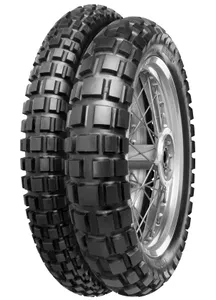
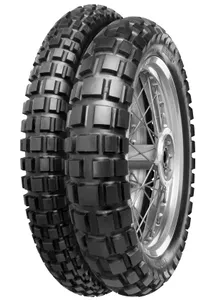
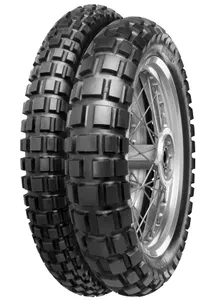
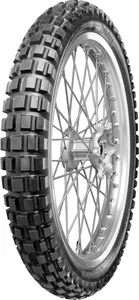
Continental Dual Sport Tyres & Tubes
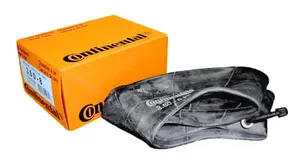
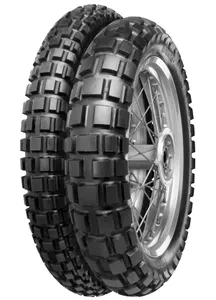
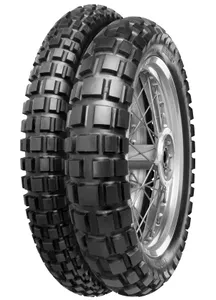
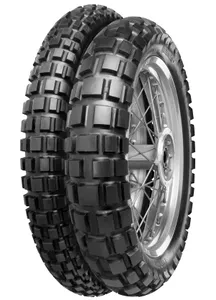
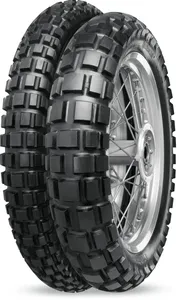
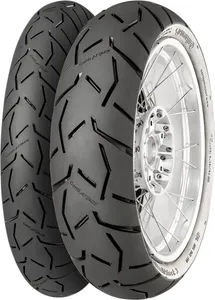
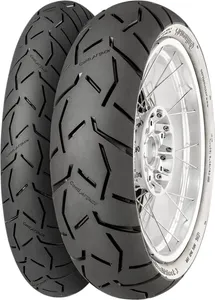
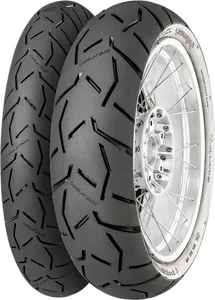
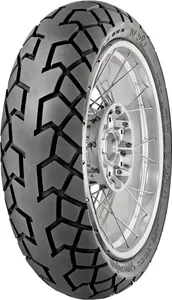
Browse Continental tyre models and sizes for front and rear applications. An inner tube is also listed in the range.
13 parts · updated daily
// Parts
All 13 parts
CONTINENTAL — frequently asked questions
Common questions, straight answers. No fluff.
- Yes. The carcass shrugs off square edges and the compound bites slick rock better than most fast-rolling trail tyres. Run them on flinty bridleways and shale climbs without nursing the line.
- Yes. Internal volume sits on industry spec so standard FIM-size mousses drop straight in. Use plenty of lube on fitment or you cook the insert on the first long moto.
- 10 to 12 psi opens the contact patch and lets the knobs dig. On tubes, hold 12 minimum or a square-edge root will pinch you flat the moment you stop concentrating.
- Look for DOT or E-mark on the sidewall. Enduro-pattern Continentals usually carry it and cover transit sections between lanes. Pure MX patterns do not, regardless of how the knobs look.
- Several hundred trail miles before the leading edges round off, longer on a harder compound. Throttle hand decides most of it. Flip the tyre once the front face goes off and you buy another month, assuming the carcass and knob bases are still clean.
- Not for woods or technical riding. For desert pace or long road transits, a few stick-on weights kill the vibration the rim lock puts in. Above 60 mph on tarmac you feel it in the bars.