§ 02 / Brand
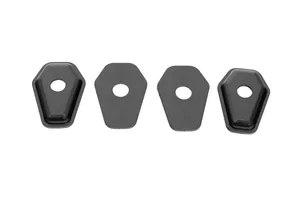
Daytona Indicator Mounting Plates
The current Daytona range contains indicator mounting plates, part number 20403111. See the product listing for the specific Suzuki application.
1 part · updated daily
DAYTONA — frequently asked questions
Common questions, straight answers. No fluff.
- Yes. The housing is sealed against water ingress and dust, rated for jet wash and river crossings without the display fogging or the internals corroding. Fit it where it stays in your eyeline and stop worrying about it.
- You wrap the supplied sensor lead two or three turns around the HT lead between the coil and the plug cap. The meter reads the ignition pulse inductively and converts it to RPM on the LCD. Nothing gets spliced, nothing voids a warranty, and the unit runs off its own internal cell so a flat bike battery or a total-loss ignition makes no difference to the reading.
- No. Lifetime hours are locked so the number stays honest when the bike changes hands. There is a separate resettable trip counter for tracking top-end intervals, oil changes, or a single ride.
- Depends on the model. The sealed battery-only units rely on a high-contrast LCD and stay readable in most light. The wired variants tap the 12V feed and give you a proper backlight for dawn starts, dusk laps, and night enduros. Check the part number before you order if you ride dark.
- Roughly five years of normal use before the cell drops off. A low-battery icon appears on the LCD well before the unit dies, so you get warning to note your hours and swap in a fresh meter. Sealed construction is the trade-off for the waterproofing — you replace the meter rather than the cell.
- Yes. The pulse-per-revolution setting is adjustable, so set it for one spark per rev on a two-stroke or one per two revs on a four-stroke. Hours and RPM then track correctly for whichever bike the meter is fitted to.