§ 02 / Brand
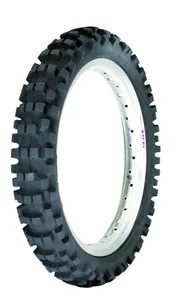
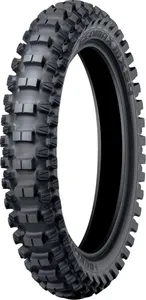
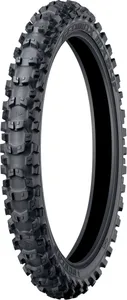
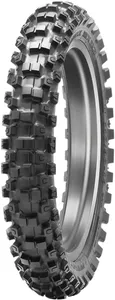
Dunlop Motocross, Dual Sport & Trials Tyres
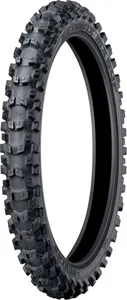
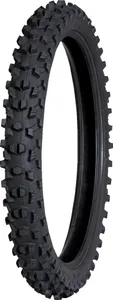
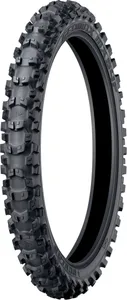
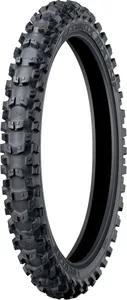
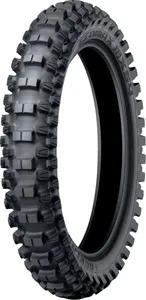
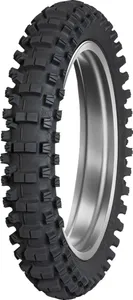
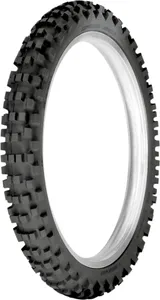
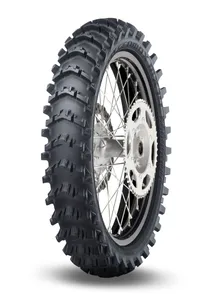
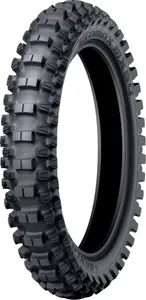
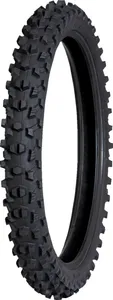
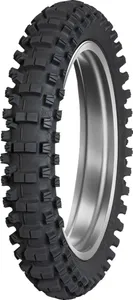
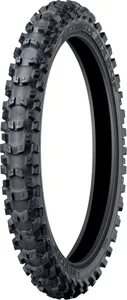
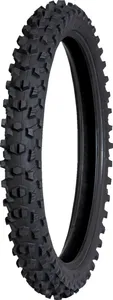
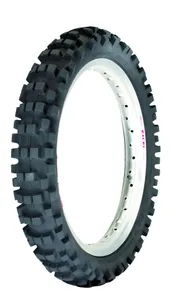
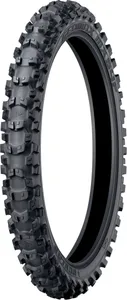
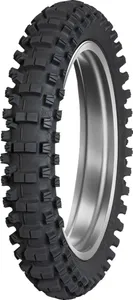
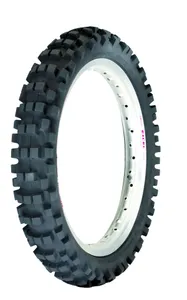
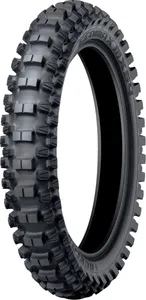
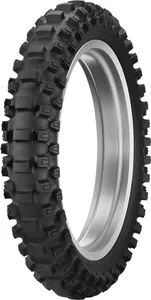
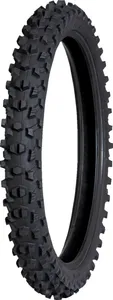
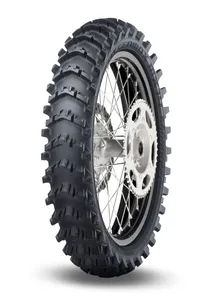
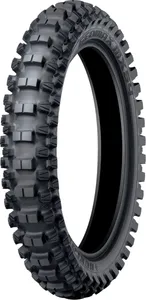
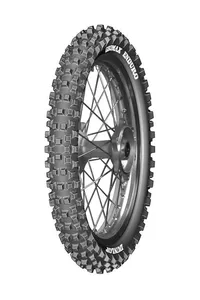
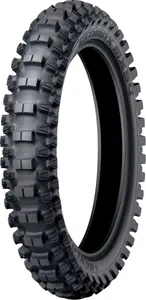
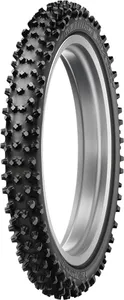
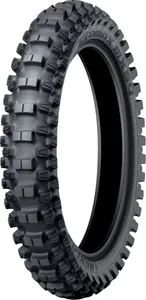
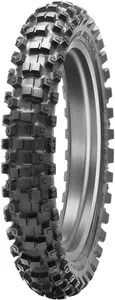
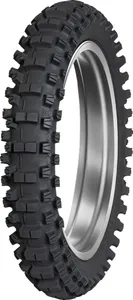
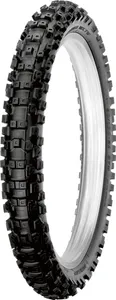
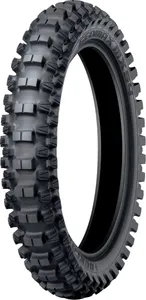
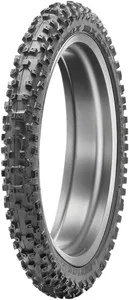
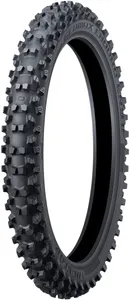
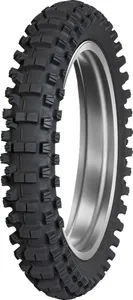
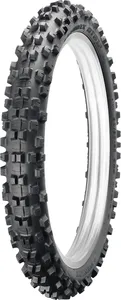
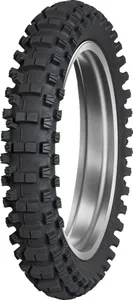
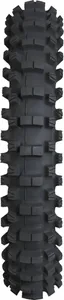
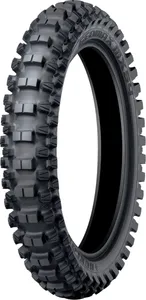
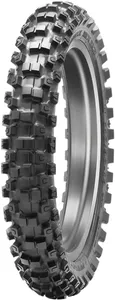
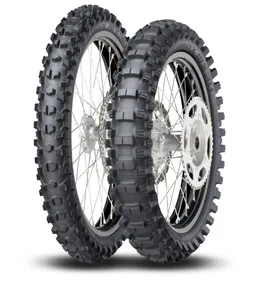
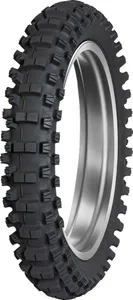
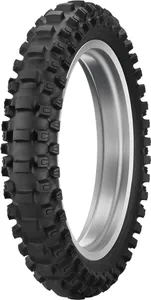
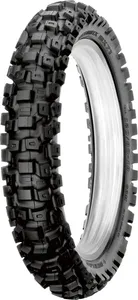
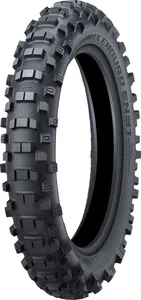
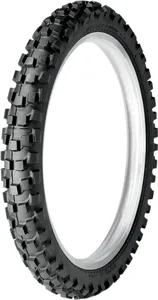
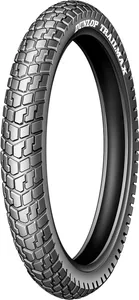
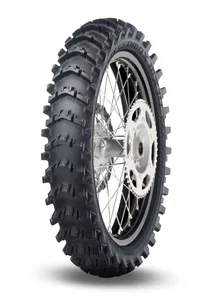
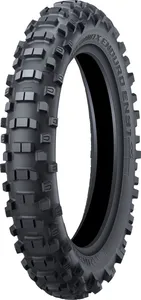
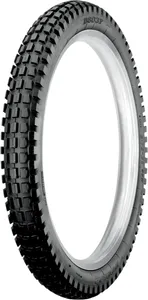
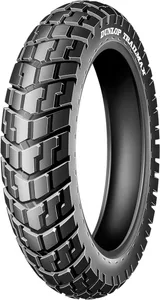
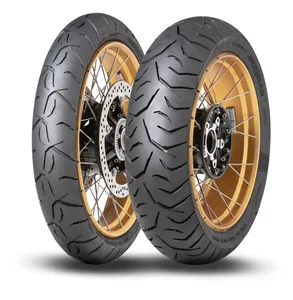
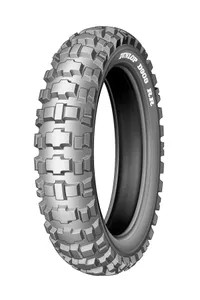
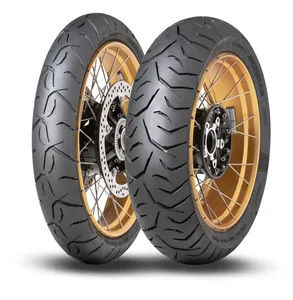
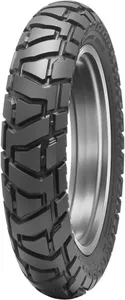
Browse front and rear Dunlop tyres by size and model. Motocross tyres form most of the range, with dual sport and trials listings alongside.
60 parts · updated daily
// Parts
All 60 parts
DUNLOP — frequently asked questions
Common questions, straight answers. No fluff.
- Match the compound to the dirt. Hard-terrain blocks resist tearing on baked clay, blue groove and rocky hardpack. Intermediate is the safe bet if your circuit dries out across a moto. Soft compounds bite into loam, sand and freshly tilled prep. Read the sidewall code before you order. If your club track changes character through the day, fit intermediate front and the softer rear you can get away with.
- Stiff carcass for hardpack, big jumps and 450s landing flat. Flexible carcass for roots, rocks and slower technical going where you want the tyre to wrap the obstacle. Heavier bike, faster lines, stiffer build.
- Only the ones with an E-mark on the sidewall. Race-only patterns wear in a single afternoon on tarmac and the blocks squirm under braking. Drop pressures back to spec the moment you hit dirt or you will tear knobs off the carcass on the first rooted climb.
- Standard butyl in the listed section width, heavy-duty if you push pressures low for grip. The tube section must match the tyre section. Undersized tubes stretch thin and pinch on square edges.
- Check three clearances before you order. Swingarm rails at full compression, chain slider under load and mudguard on the biggest hit your suspension sees. Then check the rim width against Dunlop's approved range for that tyre. Fit a 120 section on a rim built for a 110 and the profile goes peaked, the shoulder knobs wear in a week and the bike tips into corners on a knife edge. The numbers on the rim and the tyre have to agree.
- Once the leading edges round off, the bite is gone. You feel it first under acceleration out of ruts, then under braking into them. On a non-directional pattern, spin the tyre on the rim to put fresh edges on the drive side and you will buy another two or three rides. Cracking at the base of the knob means the carcass is finished. Bin it.