§ 02 / Brand
K&L Supply Valve Shims & Shim Kits
Individual valve shims and a shim-kit listing. Browse the stated shim diameter and thickness on each product.
12 parts · updated daily
// Parts
All 12 parts
K&L SUPPLY — frequently asked questions
Common questions, straight answers. No fluff.
- You get the wear items. Jets, needles, float valve, bowl gasket, o-rings. Replace the lot in one go and the carb idles clean, pulls without a flat spot, and stops weeping fuel onto the cases.
- The catalogue is built around older air-cooled inline-fours and early liquid-cooled dirt bikes where factory stock dried up years ago. Dimensions match OEM to the tenth of a millimetre, which matters when the original casting is the only reference left. The rubber compounds tolerate ethanol-blended pump fuel, so the diaphragms and seals do not perish six months after the rebuild. Fit it and the bike runs the way the workshop manual describes, not the way a tired carb has taught you to live with.
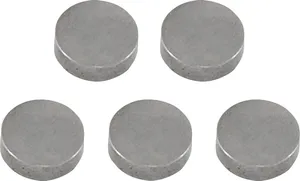
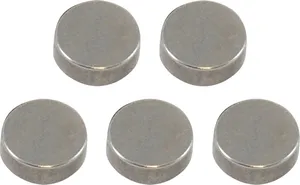
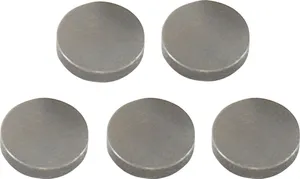
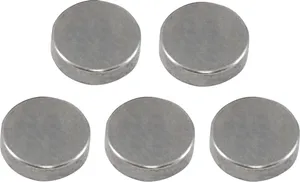
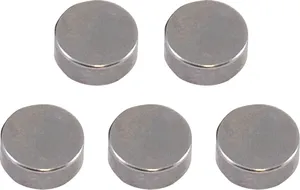
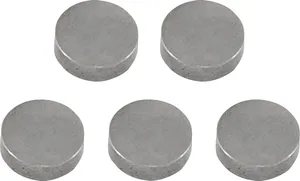
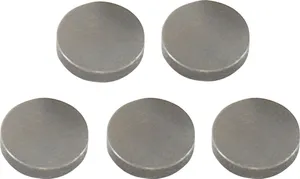
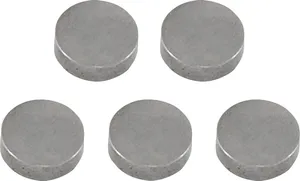
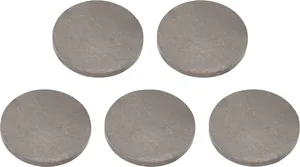
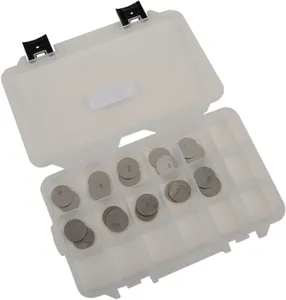
- Check the manual for shim diameter. Most modern four-strokes run 7.48mm or 9.48mm buckets. Measure clearances cold with a feeler gauge, work out the delta, then order the thickness that lands you mid-spec. The shims are through-hardened so they hold up under sustained revs.
- Yes. Built to OEM dimensions or tighter. Bolts straight in, no filing, no shimming, no chasing threads.
- Cleaning buys you a season at best. Once the diaphragm hardens, fuel finds its way past the seat and into the crankcase, and that is a problem you do not want to diagnose on the side of a green lane. A replacement petcock uses the same mounting bolts and hose barbs as the original, so it goes on in ten minutes. Pull the old one, fit the new one, run the bike without wondering whether the next start-up will hydraulic the engine.
- Confirm the engine number and production year. Cases get revised mid-model and the gasket profile changes with them. Compare the outline in the listing photo against the surface on your engine before you click buy. Get it right and the top-end seals first time.