§ 02 / Brand
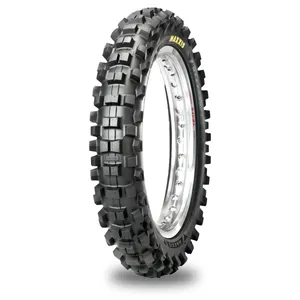
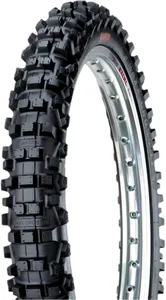
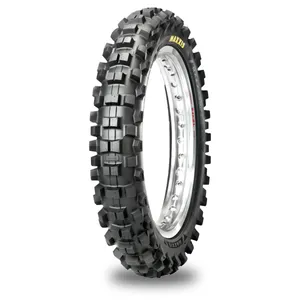
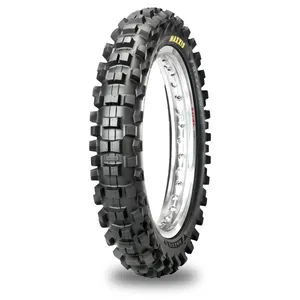
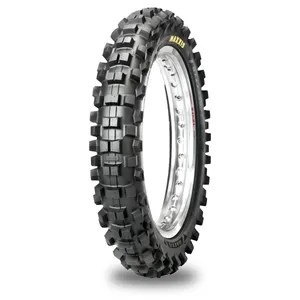
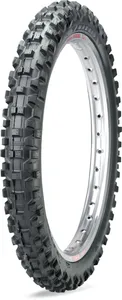
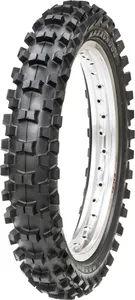
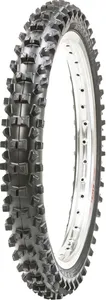
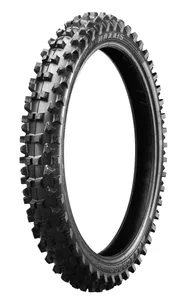
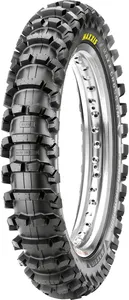
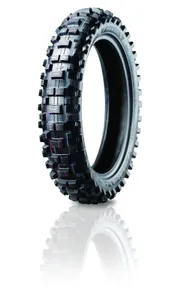
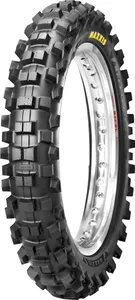
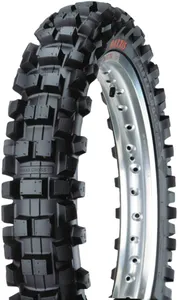
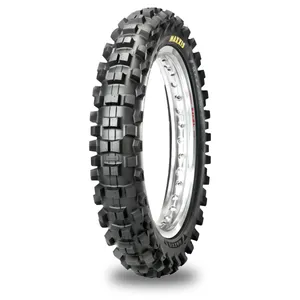
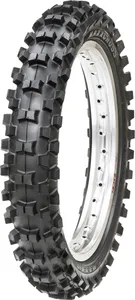
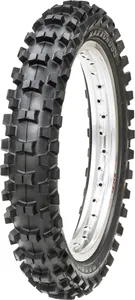
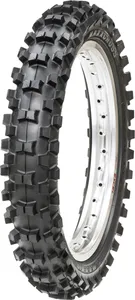
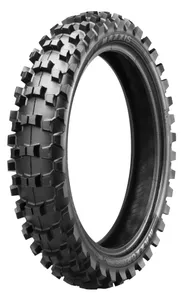
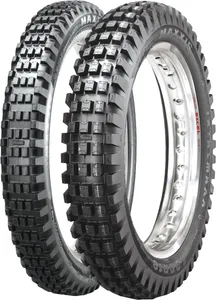
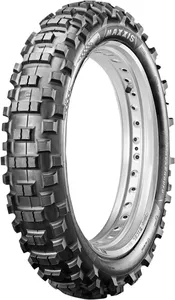
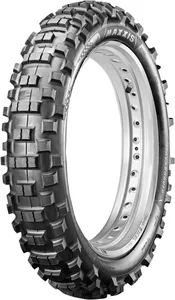
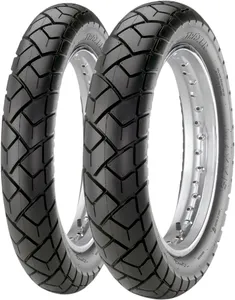
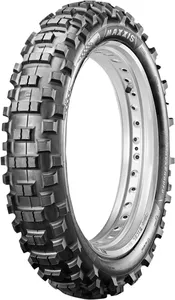
Maxxis Motocross & Trials Tyres
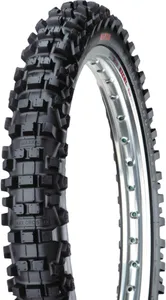
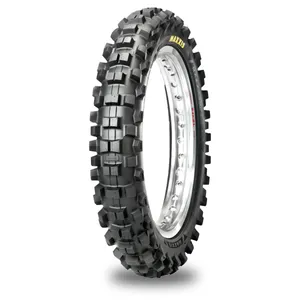
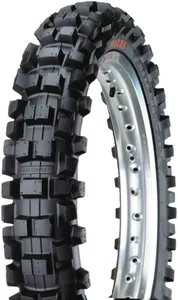
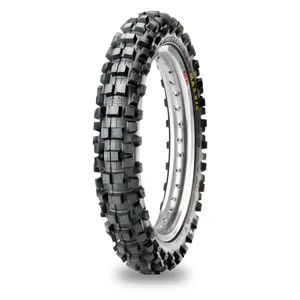
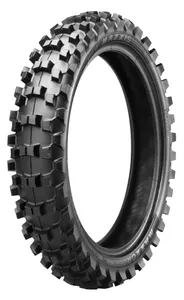
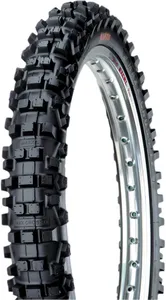
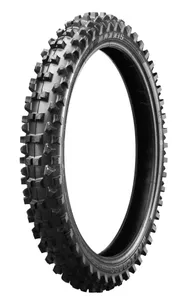
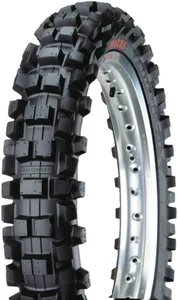
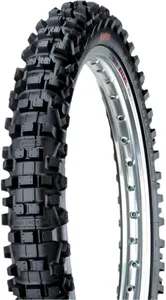
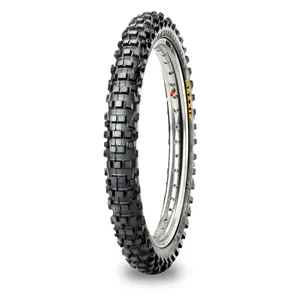
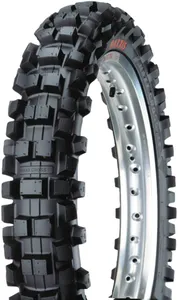
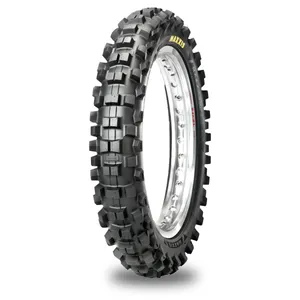
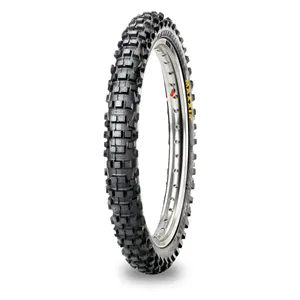
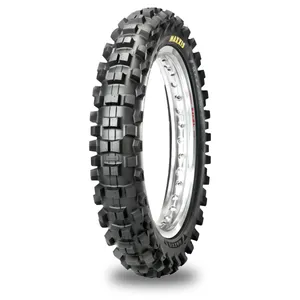
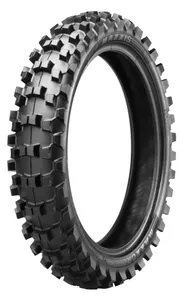
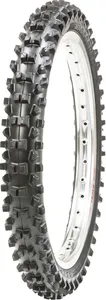
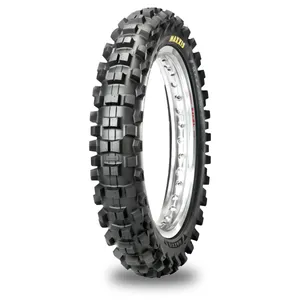
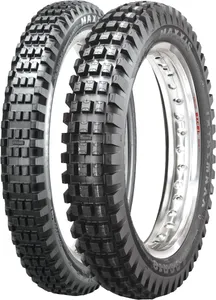
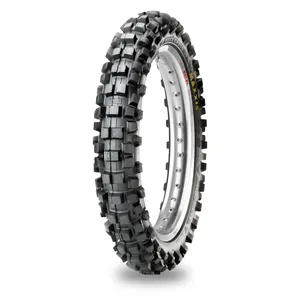
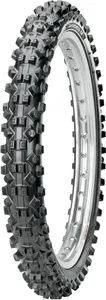
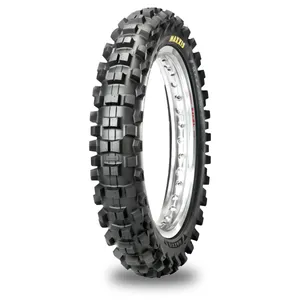
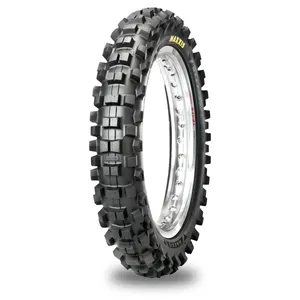
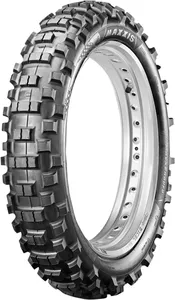
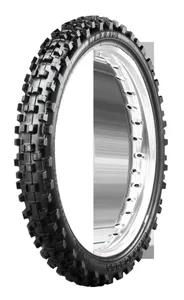
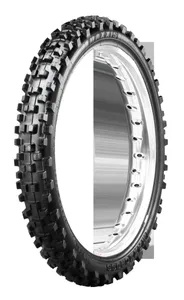
Browse Maxxis tyres by size and model. Motocross tyres form most of the range, with front and rear trials options alongside.
52 parts · updated daily
// Parts
All 52 parts
MAXXIS — frequently asked questions
Common questions, straight answers. No fluff.
- Soft compound. The blocks shed clay faster and the rubber keys into wet roots where a harder tyre skates off. Intermediate only earns its place once the ground firms up in late spring.
- Yes. Drop below 12 psi on a rear and the tyre will walk on the rim under power, shear the valve, and leave you pushing. Fit one rim lock minimum. Two on the rear if you ride extreme enduro or hard enduro events where pressures sit in single digits and torque spikes are constant.
- Yes, with a correctly sized insert and proper gel. Undersized mousses spin inside the carcass and overheat on long lap races.
- Check the sidewall arrow before the bead pops on. Most knobby patterns are directional, cut to bite on drive and clear on braking. Fit one backwards and you lose climbing grip, gain a vague front end on the brakes, and wear the leading edge of every block in half the time. Worth a thirty-second check before you commit the levers.
- A reinforced carcass deflects less off rocks but transmits more chatter into the bars and pegs. Treat the tyre as the first damper in the system. If you fit a stiffer wall, back compression off a few clicks and reassess hand and foot fatigue after a full session, not a single lap.
- Look for an E-mark or DOT stamp on the sidewall. Soft knobs chew themselves on tarmac, so keep transit miles short.