§ 02 / Brand
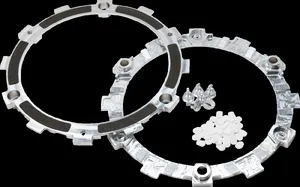
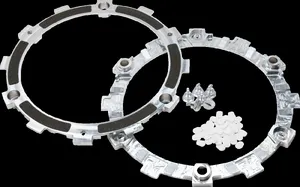
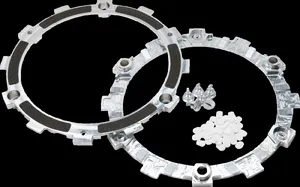
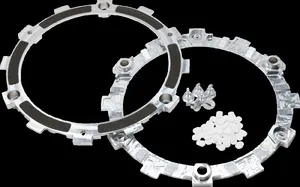
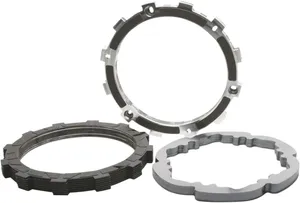
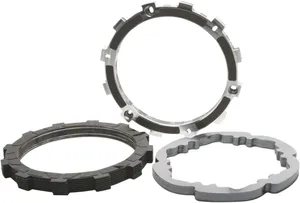
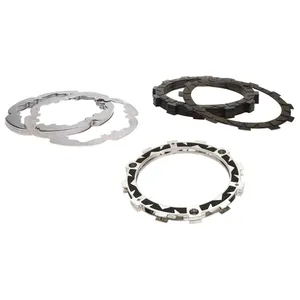
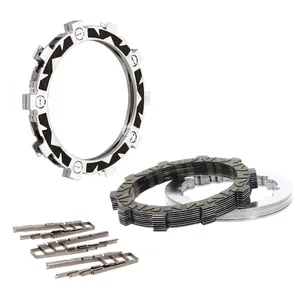
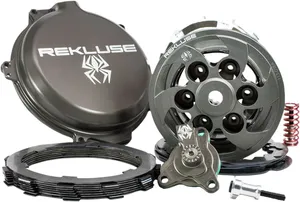
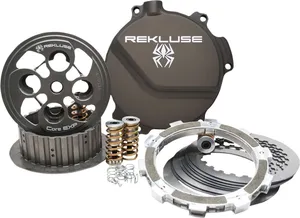
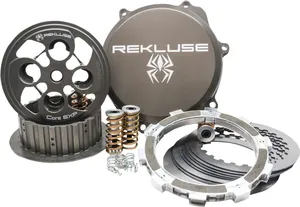
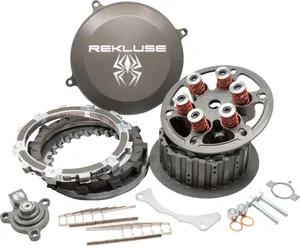
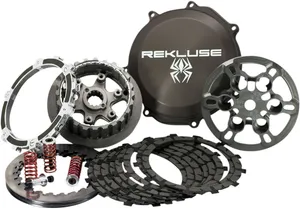
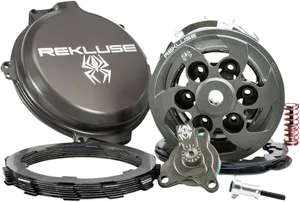
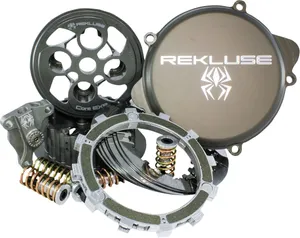
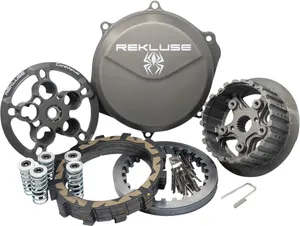
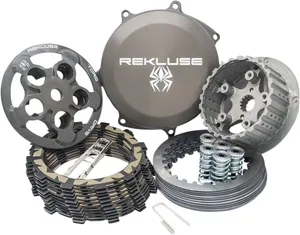
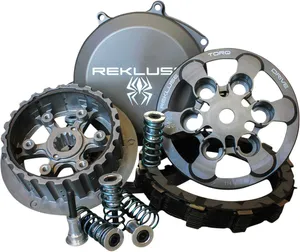
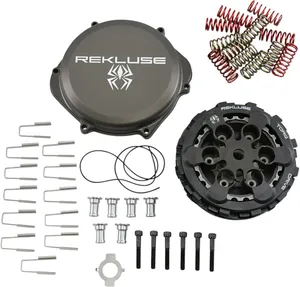
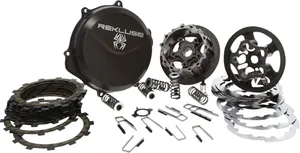
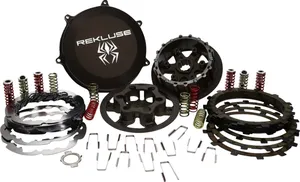
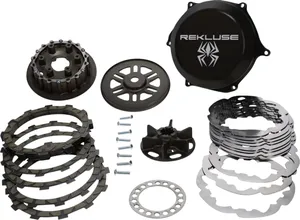
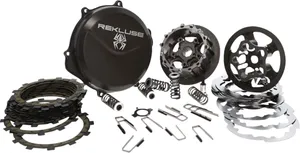
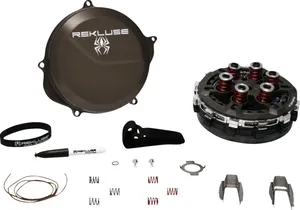
Rekluse Clutch Kits & Replacement Parts
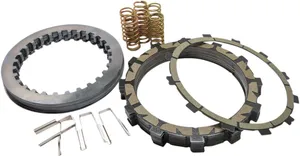
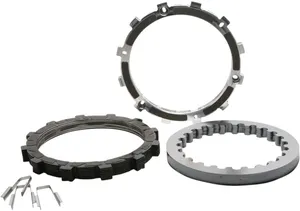
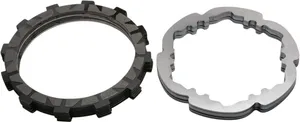
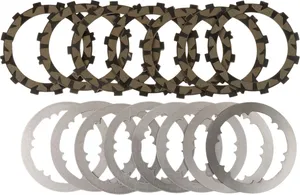
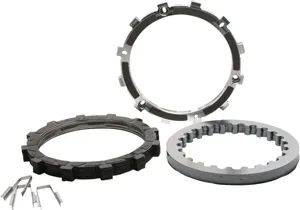
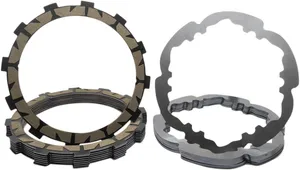
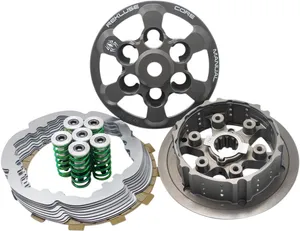
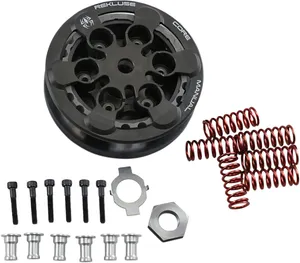
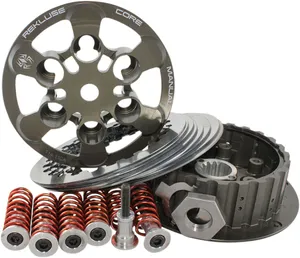
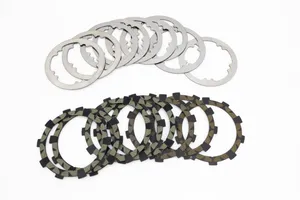
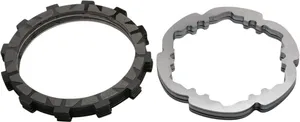
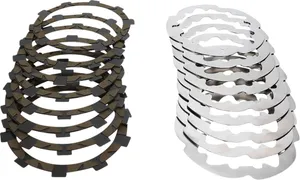
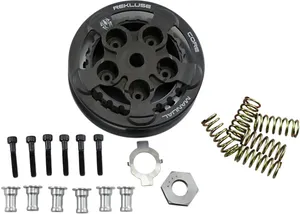
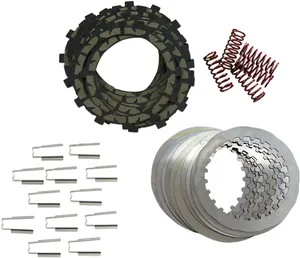
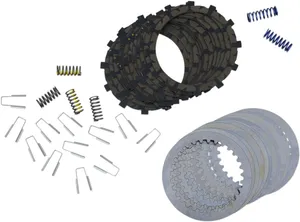
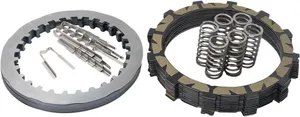
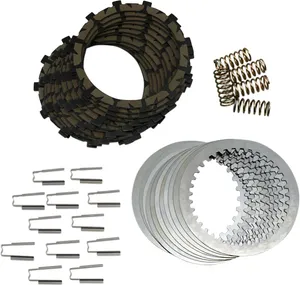
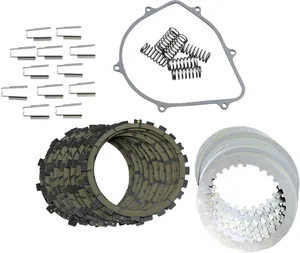
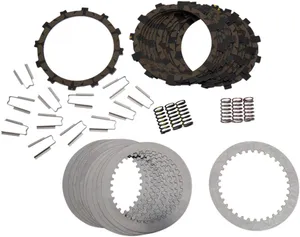
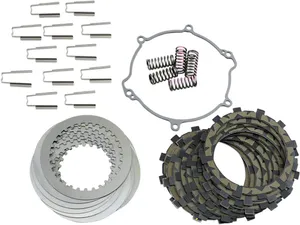
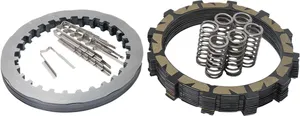
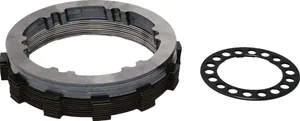
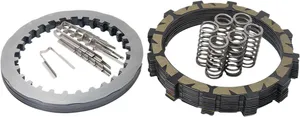
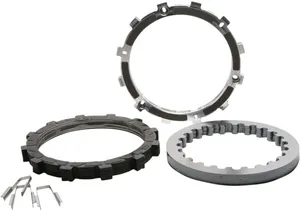
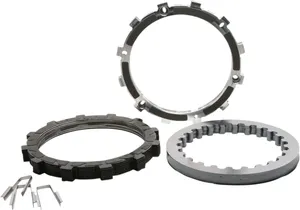
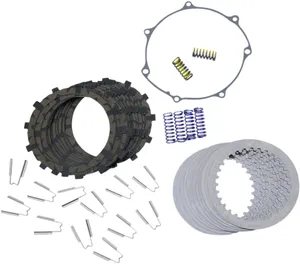
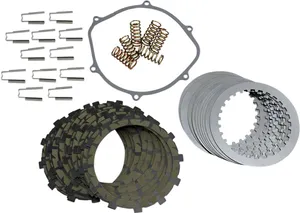
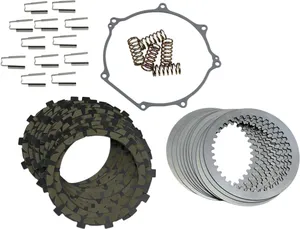
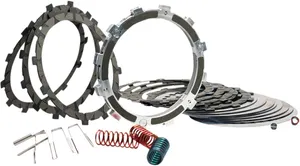
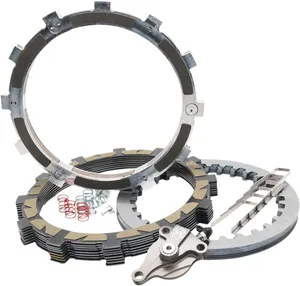
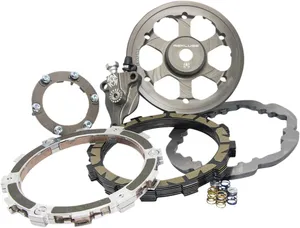
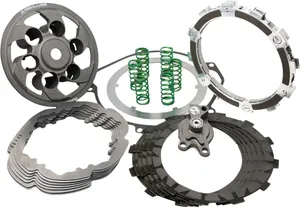
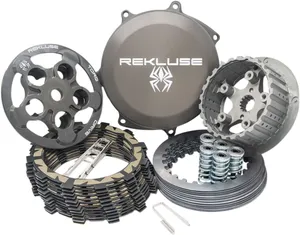
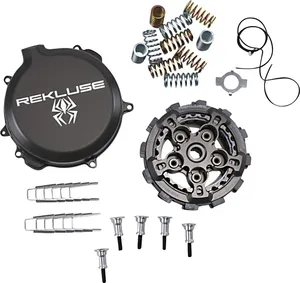
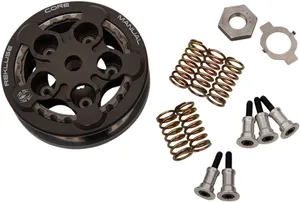
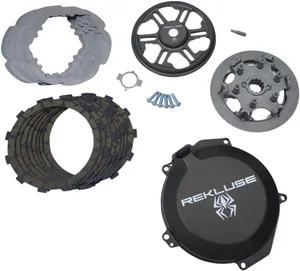
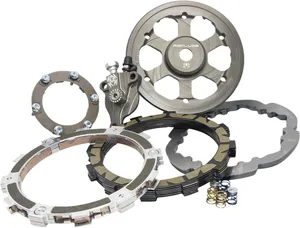
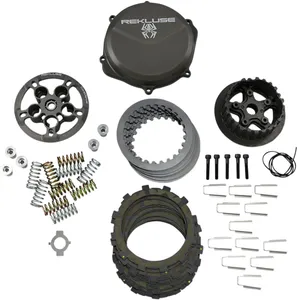
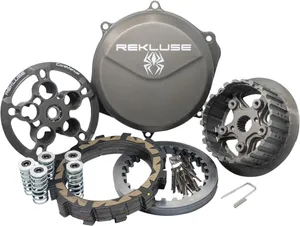
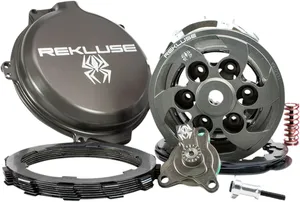
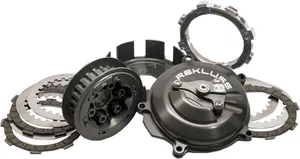
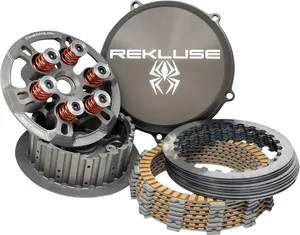
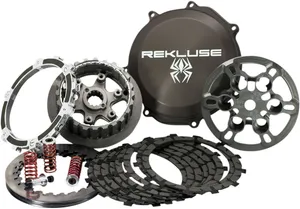
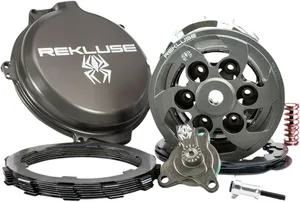
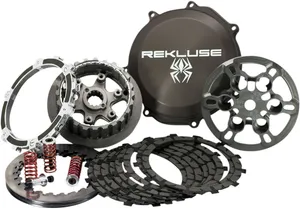
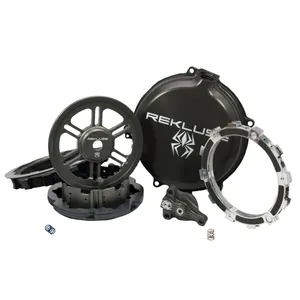
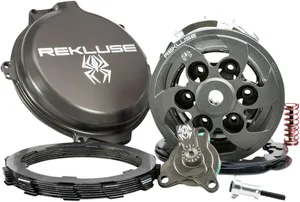
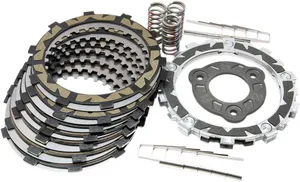
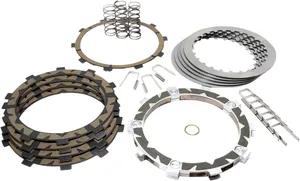
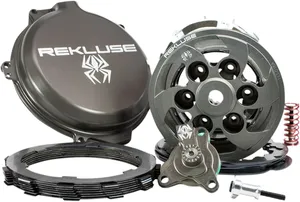
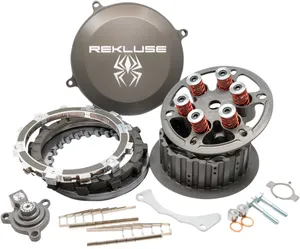
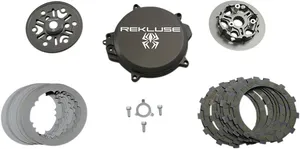
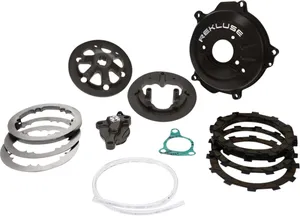
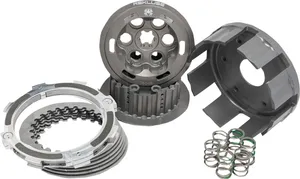
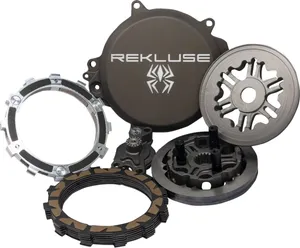
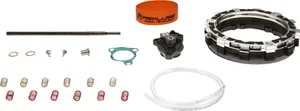
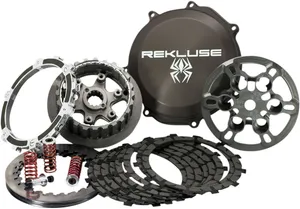
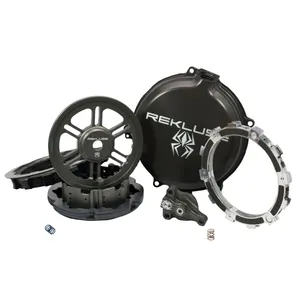
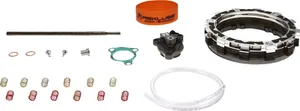
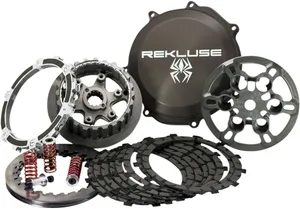
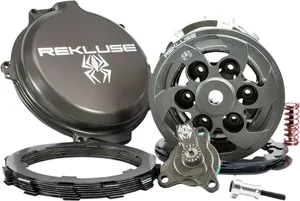
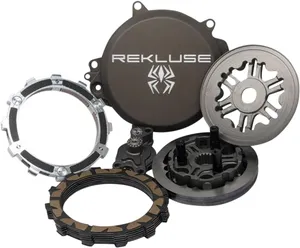
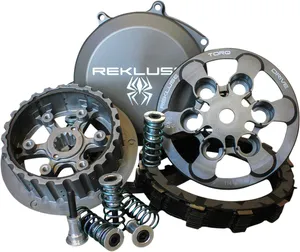
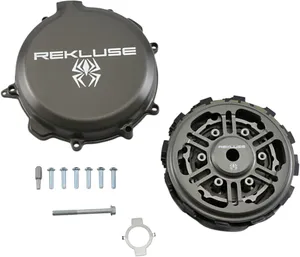
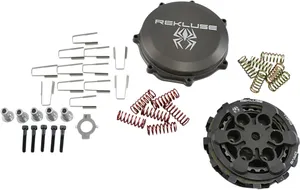
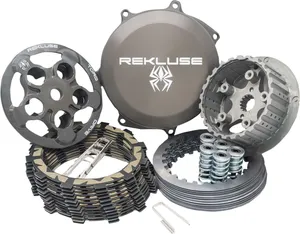
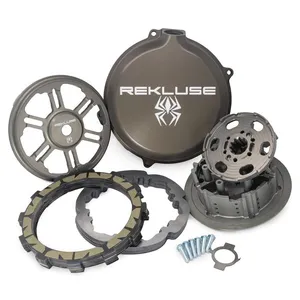
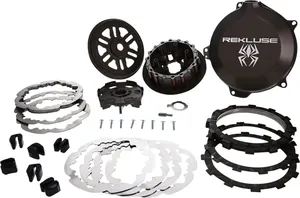
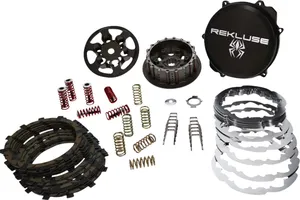
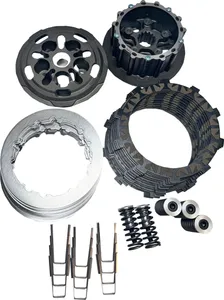
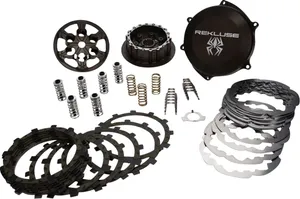
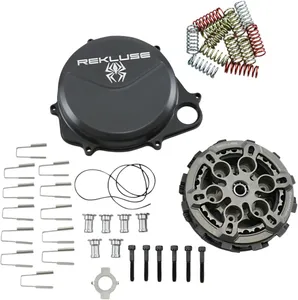
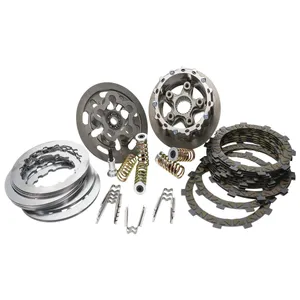
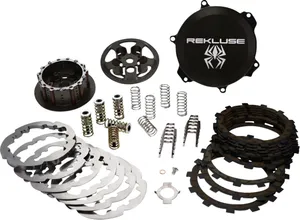
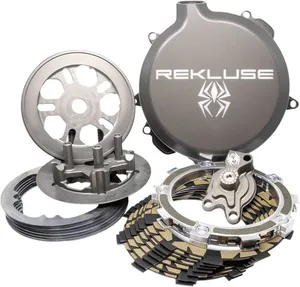
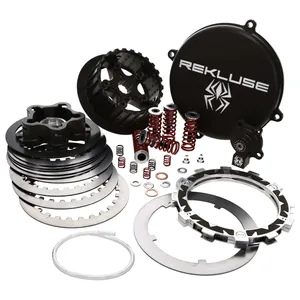
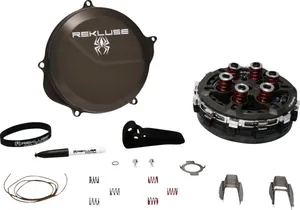
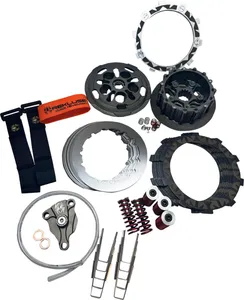
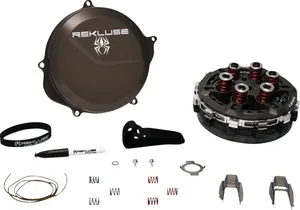
Clutch assemblies and service parts, including plate kits and covers. Selected brake-conversion products are also listed in the range.
265 parts · updated daily
// Parts
Showing 240 of 265
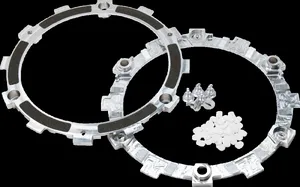
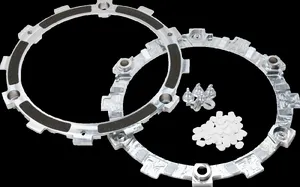
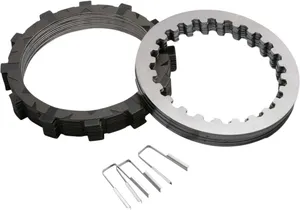
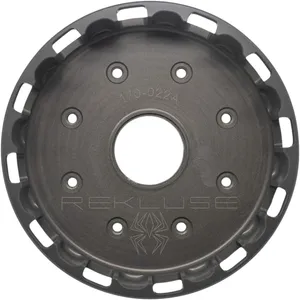
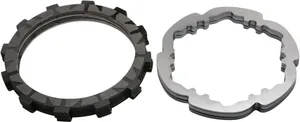
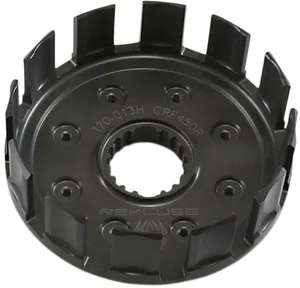
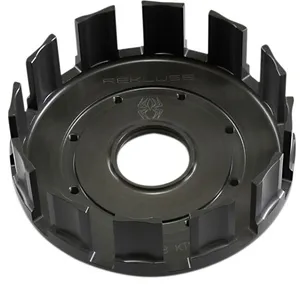
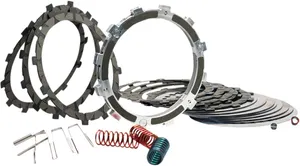
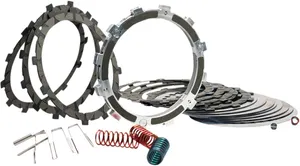
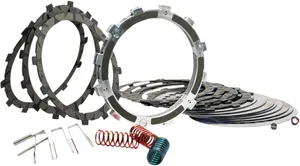
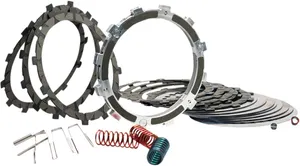
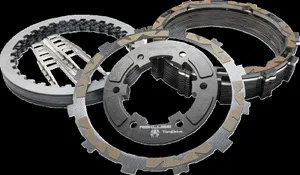
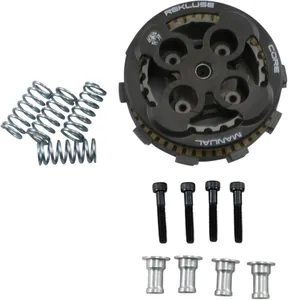
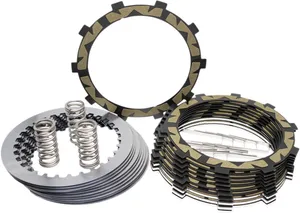
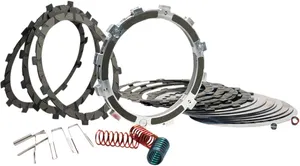
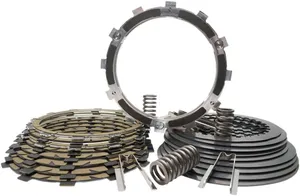
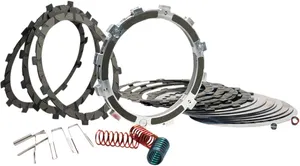
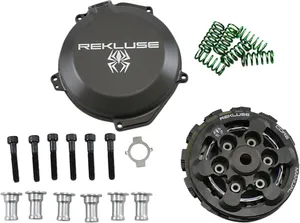
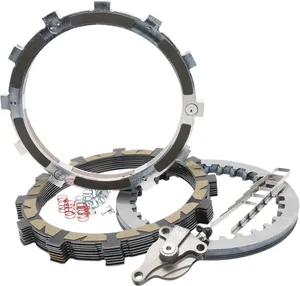
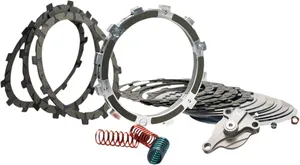
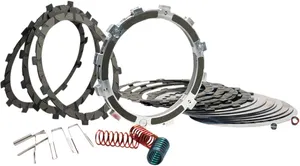
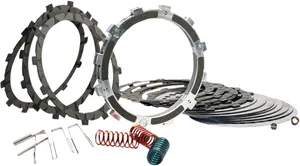
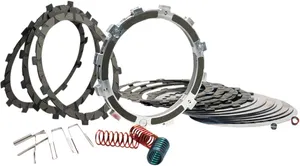
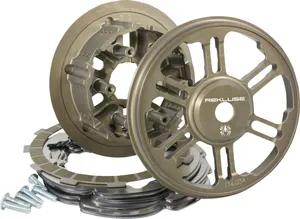
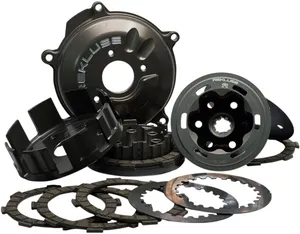
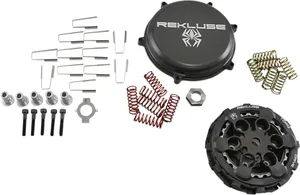
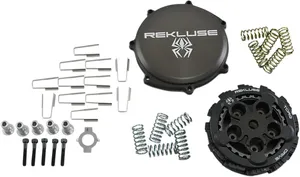
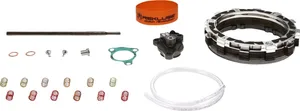
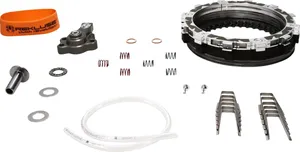
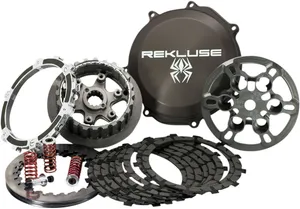
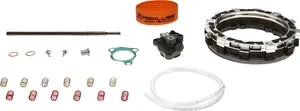
REKLUSE — frequently asked questions
Common questions, straight answers. No fluff.
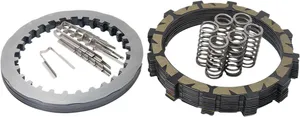
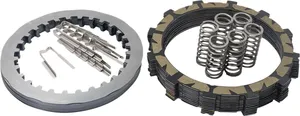
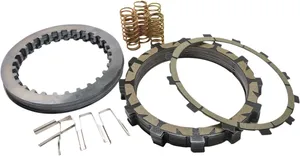
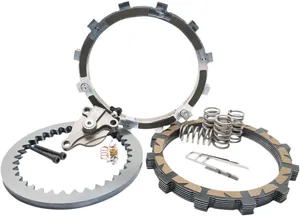
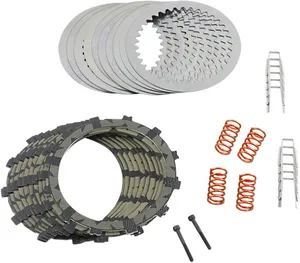
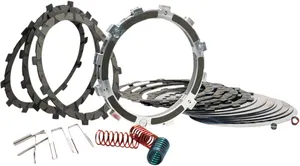
- Fitment covers most modern four-stroke and two-stroke enduro bikes from the major makes. The auto-clutch and slave cylinder ranges target woods and trail bikes where lever fatigue and stalling cost time. Check the kit listing against your model year and displacement before ordering. Hydraulic and cable-actuated bikes take different hardware.
- Yes, in the terrain where stalling costs you the section. On steep rock steps and slow technical climbs the bike stays alive while your focus stays on line choice. You can stop and restart on a gradient without touching the lever, and the engine holds when you lock the rear brake. The manual pull stays live for clutch pops and lofting the front. Long events become less tiring because your left hand isn't fighting the bar. Low-grip starts get cleaner because the friction discs meter drive before the rear breaks loose.
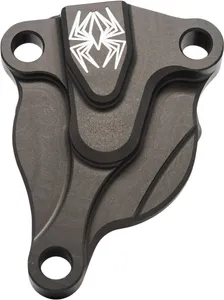
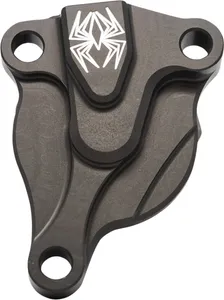
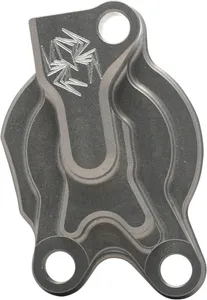
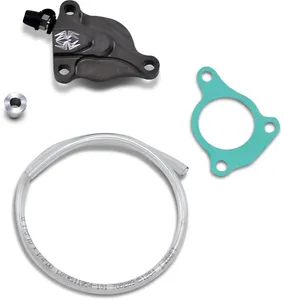
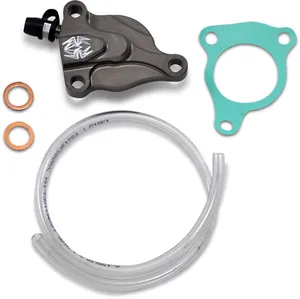
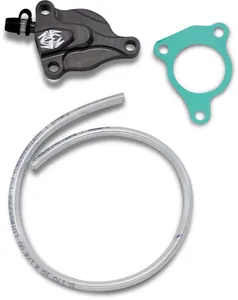
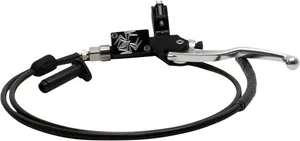
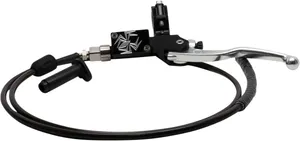
- Direct swap for the OEM unit. Bleed the hydraulic line through until the lever firms up with no sponge, and use the fluid type printed on the master cylinder reservoir cap. Standard workshop job.
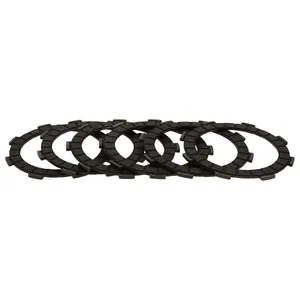
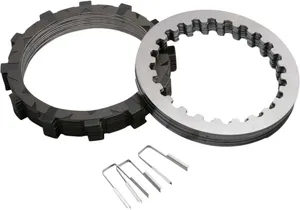
- Run the oil grade specified by the bike manufacturer for your engine and gearbox. Shorten the change interval if you ride dust or sustained low-gear technical sections, since the friction plates shed material faster under slip. Check friction plate thickness at every top-end inspection and replace before they fall below the service limit.
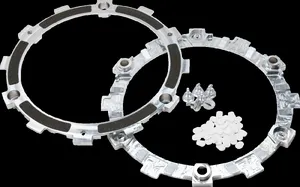
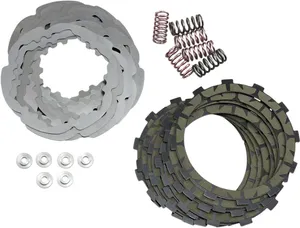
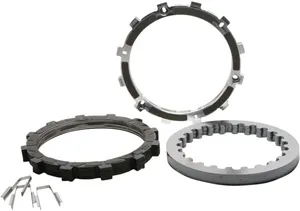
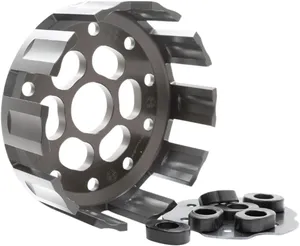
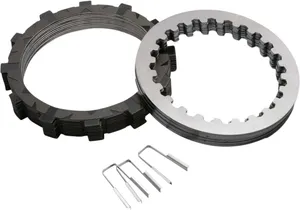
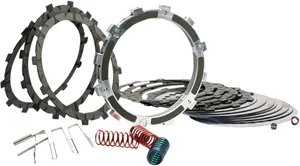
- Confirm year, model and displacement, because baskets and inner hubs change between generations even when the engine reads the same on paper. Confirm hydraulic or cable actuation, since the hardware differs. Inspect the existing basket fingers for grooving and the inner hub tangs for notching. A worn basket will drag any new pack and cause erratic engagement. Have a fresh clutch cover gasket or high-temperature sealant ready before you split the cases, and a torque wrench for the basket nut.
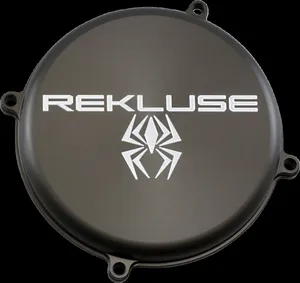
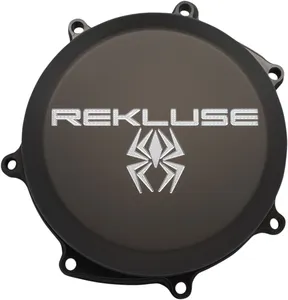
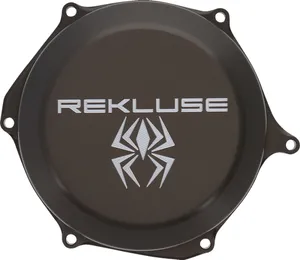
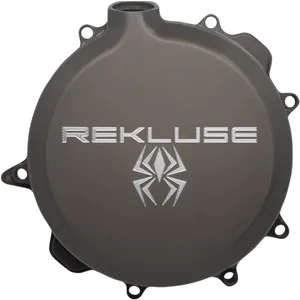
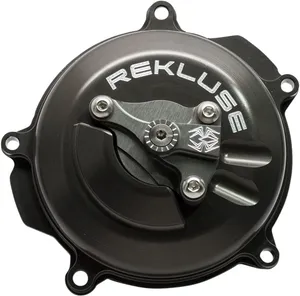
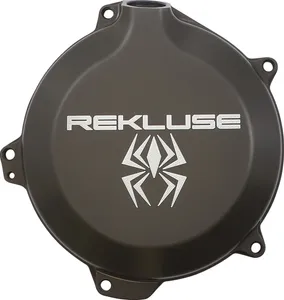
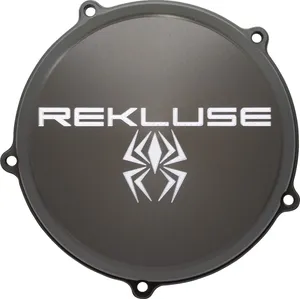
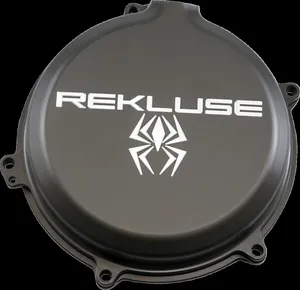
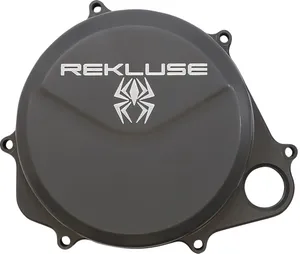
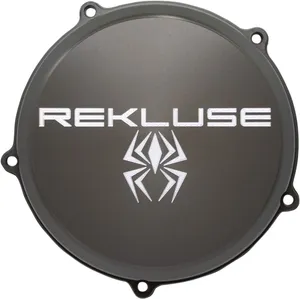
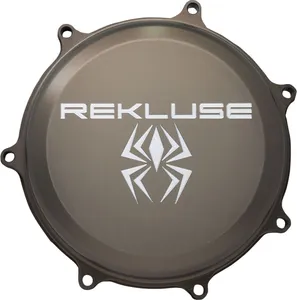
- Most billet covers match the OEM outer profile but add wall thickness and oil capacity. Skid plates with tight engine-case tolerances can foul the extra material. Offer the cover up dry before you torque it down and check clearance at the bash plate mounts. Billet takes rock strikes that crack cast OEM cases, which is why race teams fit them.