§ 02 / Brand
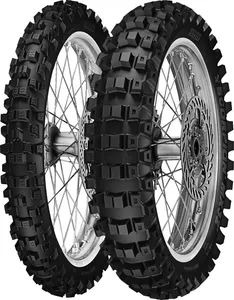
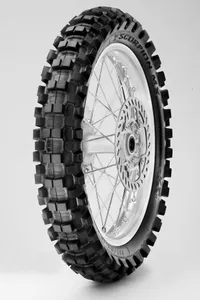
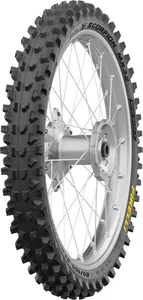
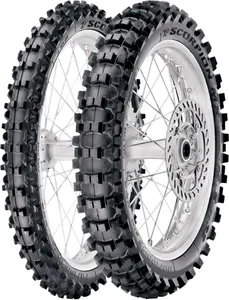
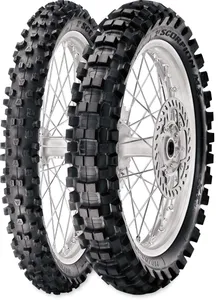
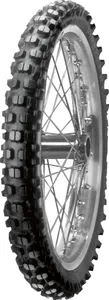
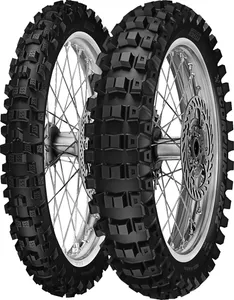
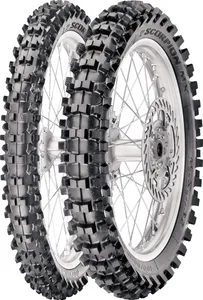
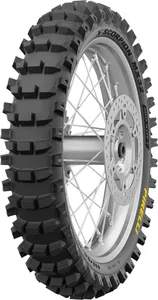
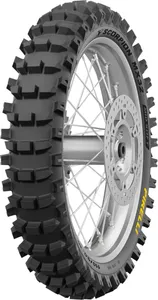
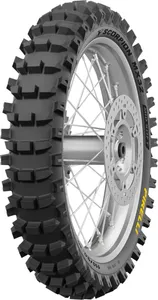
Pirelli Motocross, Trials & Dual Sport Tyres
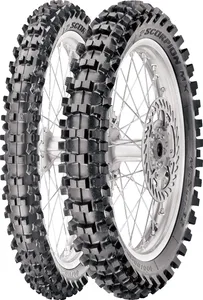
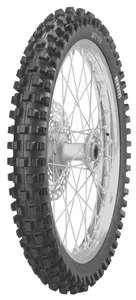
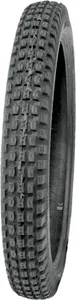
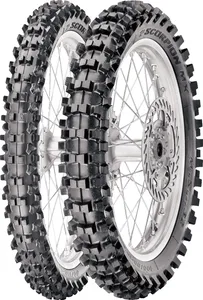
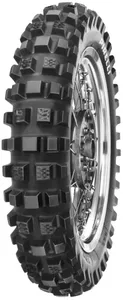
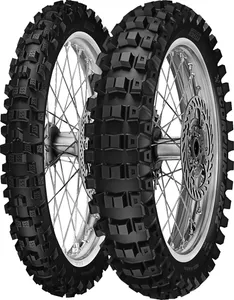
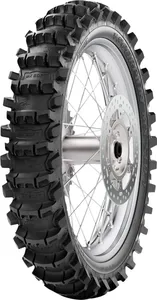
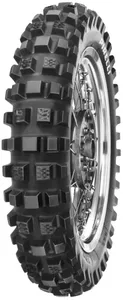
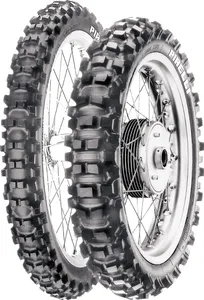
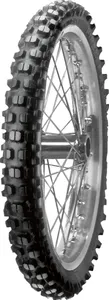
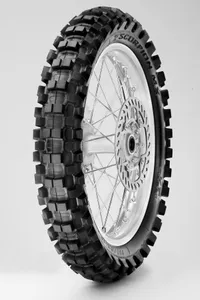
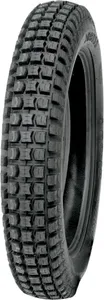
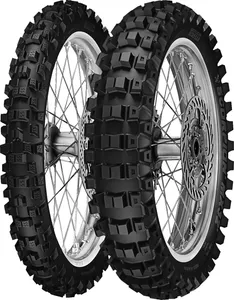
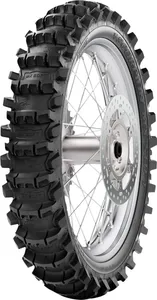
Browse Pirelli tyre sizes and models. Motocross tyres form most of the range, with trials and dual sport listings alongside.
38 parts · updated daily
// Parts
All 38 parts
PIRELLI — frequently asked questions
Common questions, straight answers. No fluff.
- Yes. Check the rim width stamped on your hub before ordering. A wider casing on a narrow rim pinches the profile and shrinks the contact patch. The tyre tips onto its shoulder knobs earlier than the carcass is designed for, which kills cornering stability and chews the leading edges of the blocks. Match the casing to the rim spec on the sidewall.
- No. Soft compounds tear on concrete-hard ground. The carcass is built to flex into loam and the blocks lean on soil to support them under load. Put that block on a dry, blue-groove track and the leading edge rounds off inside a moto. Run a medium or hard compound for hard-pack and save the soft for soil that gives back.
- Look for the arrow on the sidewall. Fit it the wrong way and the tread pattern packs mud instead of clearing it, and drive off the corner drops noticeably. The blocks are angled to throw debris back behind the wheel under acceleration. Confirm the arrow matches wheel rotation before you break the bead.
- Standard heavy-duty tubes and mousses are fine. Match the mousse to the tyre volume exactly. A mousse that's too small lets the carcass spin on the rim under load and shears the valve stem off the tube version. Too tight and you cook the foam in a long moto.
- 110/90-19 is the OEM size for most 250 four-strokes and it's the size to start with. The 250 doesn't have the torque to spin a 120-section cleanly out of a deep rut and the extra rolling weight makes the bike feel lazy on direction changes. If you ride deep sand often, a 120 makes sense, but check swingarm and mudguard clearance first. The OEM size exists because it works.
- Check the sidewall for a DOT or E-mark. Pure motocross casings are closed-course only and carry neither. Run one on a lane and you've failed the construction-and-use regs, voided your insurance, and given the police a free win at any roadside stop. For mixed road and trail use, fit an enduro-spec tyre with the E-mark.