§ 02 / Brand
Rick's Motorsport Electric Stators & Starters
Starting, charging and ignition components, with wiring connectors and related service parts. Browse each listing for the replacement unit and application.
48 parts · updated daily
// Parts
All 48 parts
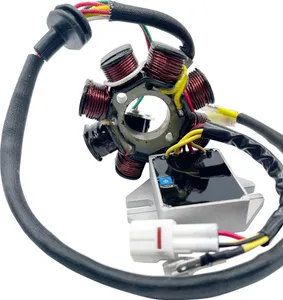
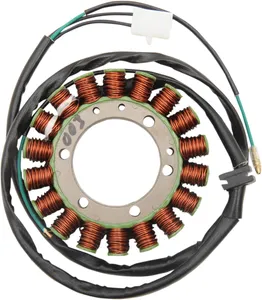
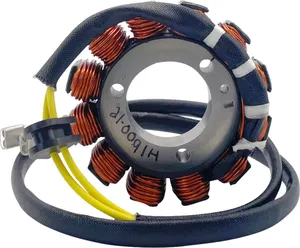
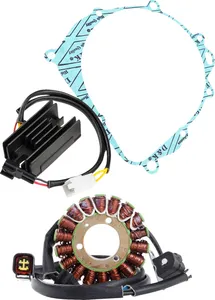
RICK'S MOTORSPORT ELECTRIC — frequently asked questions
Common questions, straight answers. No fluff.
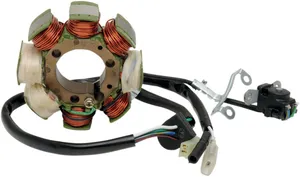
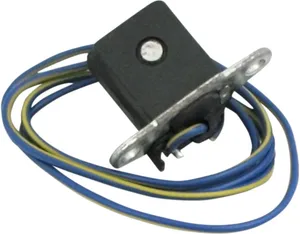
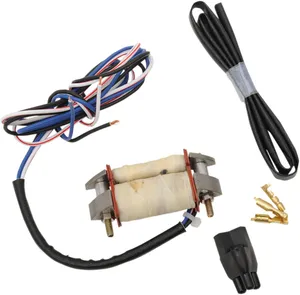
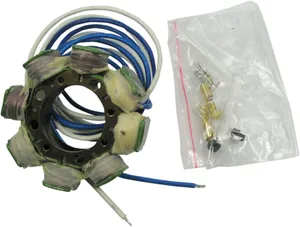
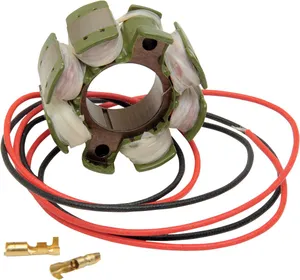
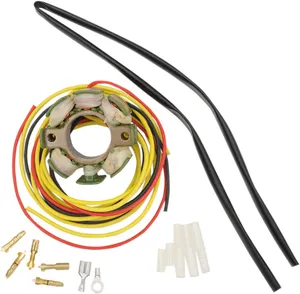
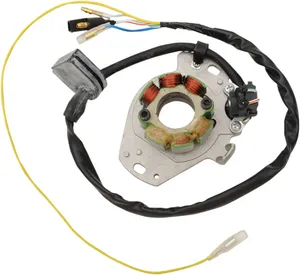
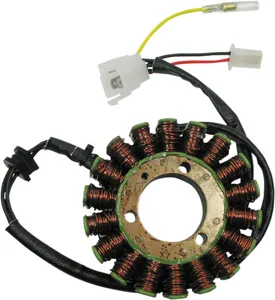
- Yes, provided you match the listing to your year and displacement. The windings, pickup positions, and plug bodies are cloned from the OEM unit, so it lands on the factory studs and meets the loom where the original did. No drilling. No bracket work. Cross-check the fitment guide before ordering and confirm the model code stamped on the old stator if the bike has been through a previous owner. Mongrel rewires happen, and a clean swap depends on the harness being standard.
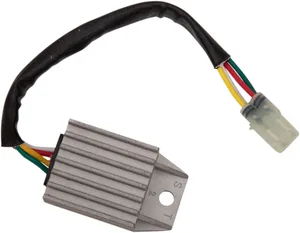
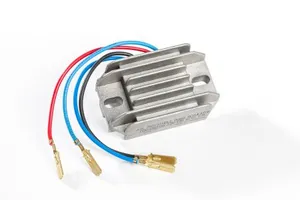
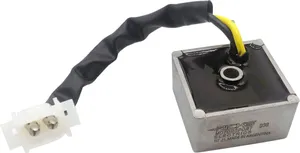
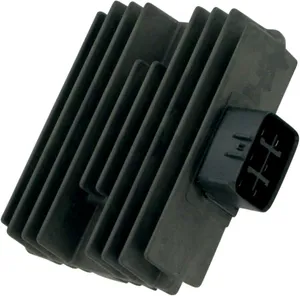
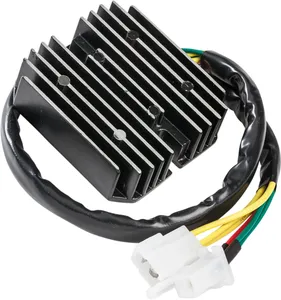
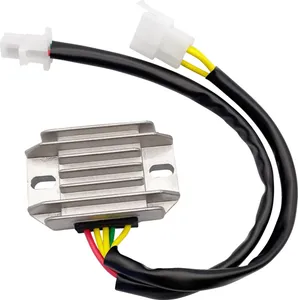
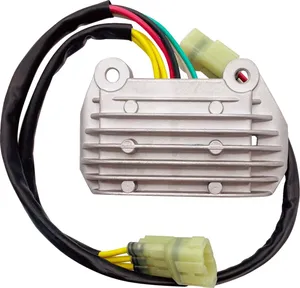
- Yes. Stock charging systems cook when a bike spends an hour in second gear climbing roots, and the regulator goes with the stator more often than riders admit. Rick's units run heavier copper, better lacquer on the windings, and a potting compound that holds up to vibration that loosens factory joints. The regulators shed heat through a larger finned body and tolerate the voltage spikes you get when the battery is flat and the bike is being bump-started on a hill. Expect the charging circuit to outlast the next two top-ends.
- Standard workshop call. A failed regulator is what killed the stator in roughly half the cases that come across a bench, and fitting a new stator behind a marginal regulator buys you a second failure within a season. If the bike has high hours, erratic idle voltage, or a battery that boils, do both. Cheaper than splitting cases twice.
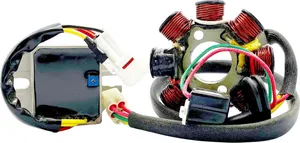
- Yes. The uprated stators add the headroom for an LED bar, a thermo fan, heated grips, or a GPS, but only up to the rated wattage on the listing. Add the draws, leave a margin for the ignition and pump, and stop there. Past the limit you boil the battery.
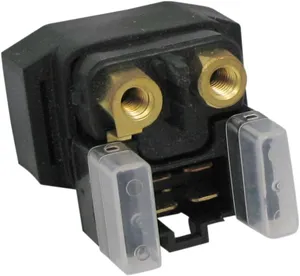
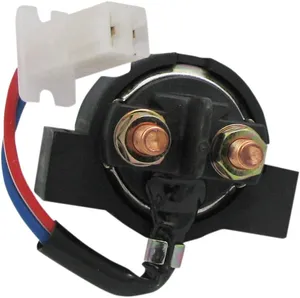
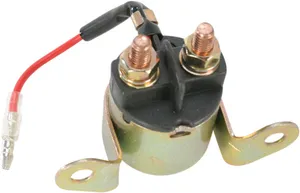
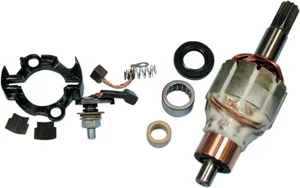
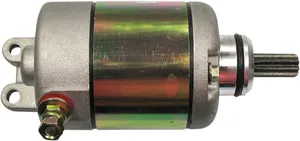
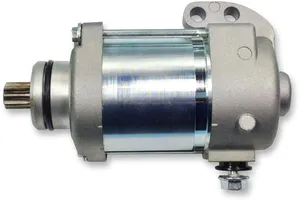
- Battery first. A cell that reads twelve volts at rest but collapses under load will mimic a tired starter every time. Clean the earth strap to the engine case and the positive cable to the solenoid, because corrosion at either end drops the cranking voltage enough to fake a dead motor. Test the solenoid with a jumper across the heavy terminals; if the engine spins, the relay or the start button is the fault. Inspect the starter clutch and the ring gear for chewed teeth. Only then is the motor itself the answer.
- No. The plugs, pin counts, and lead lengths mirror the originals, so it unclips from the harness and the new part clips back in. Mounting bolts pick up the factory threads. Job is a thirty-minute bench task on most bikes, longer if the stator sits behind the flywheel and the puller is buried in the toolbox.