§ 02 / Brand
TRW
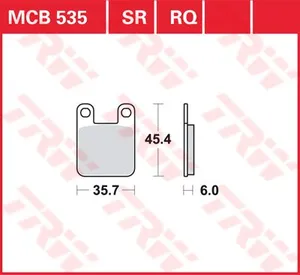
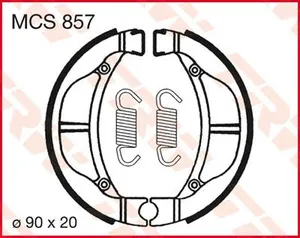
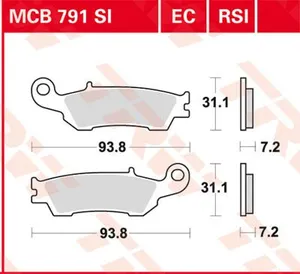
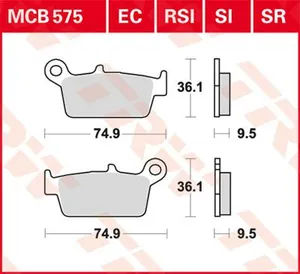
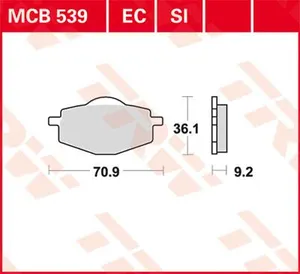
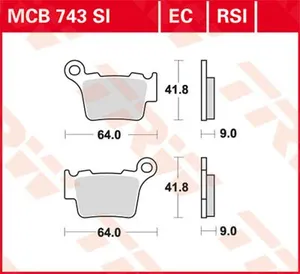
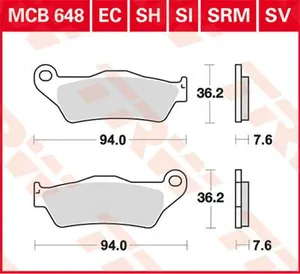
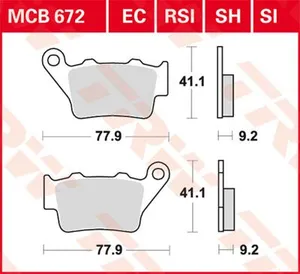
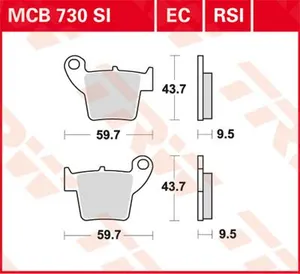
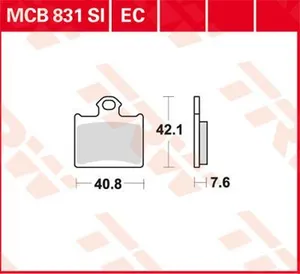
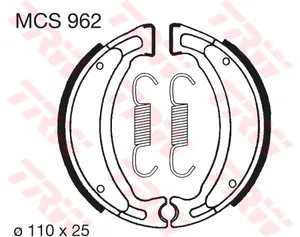
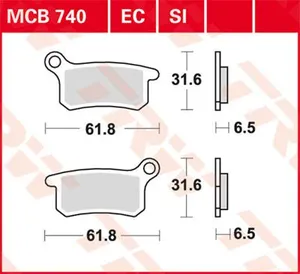
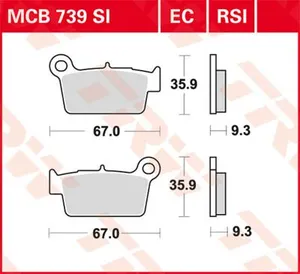
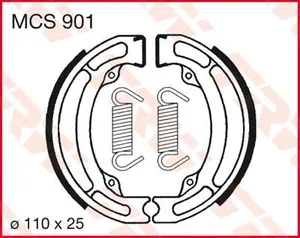
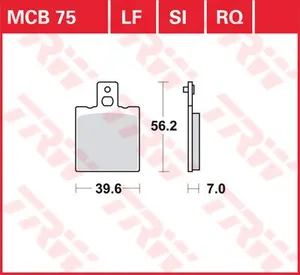
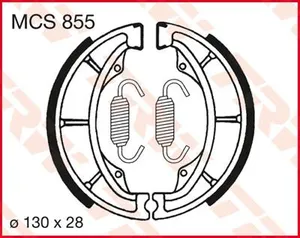
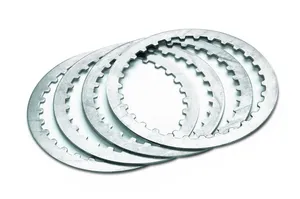
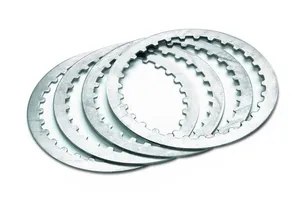
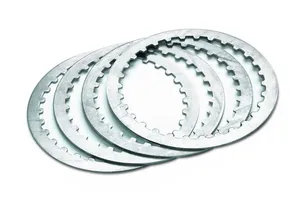
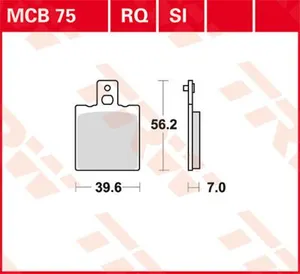
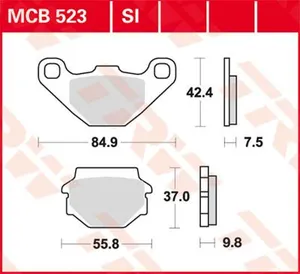
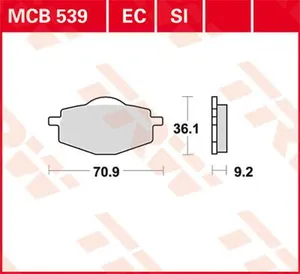
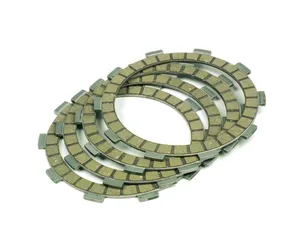
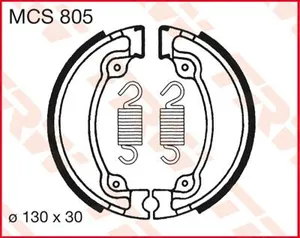
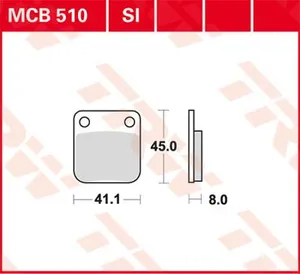
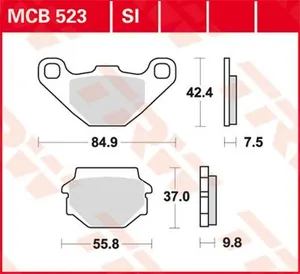
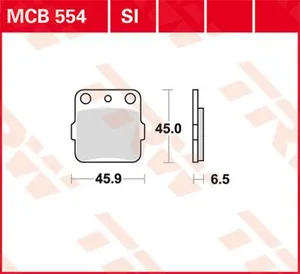
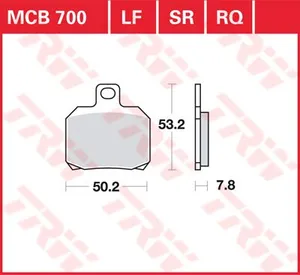
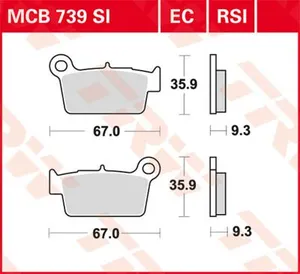
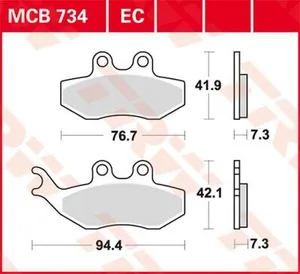
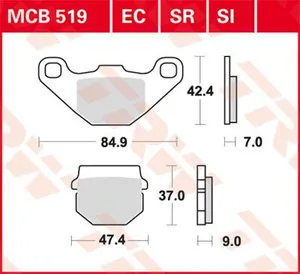
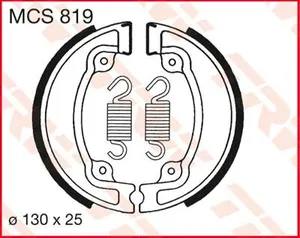
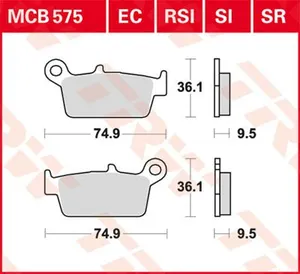
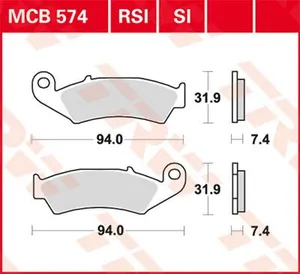
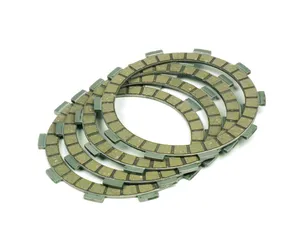
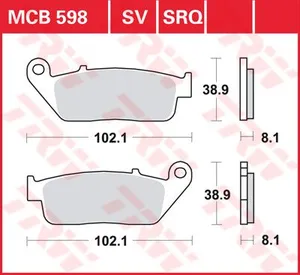
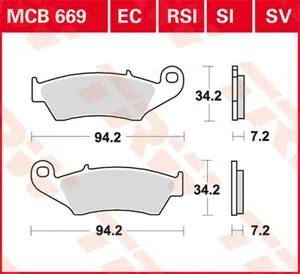
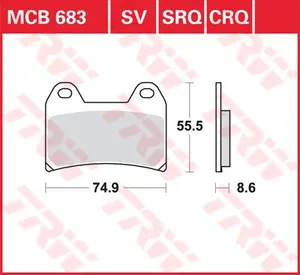
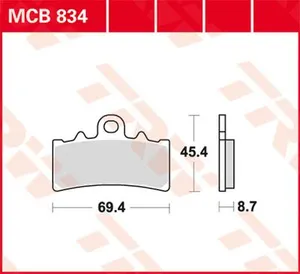
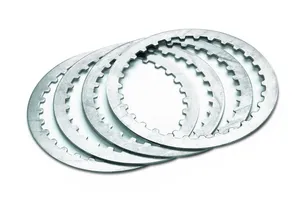
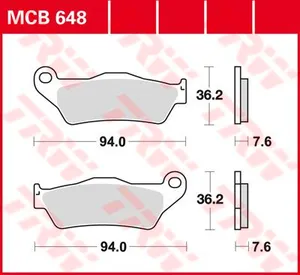
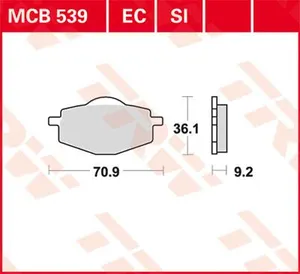
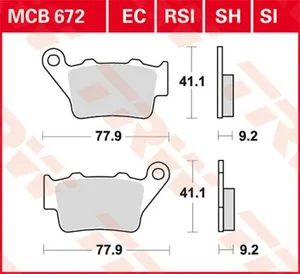
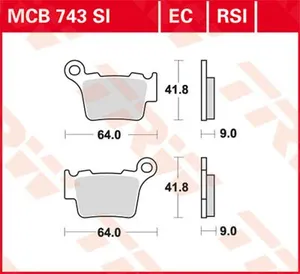
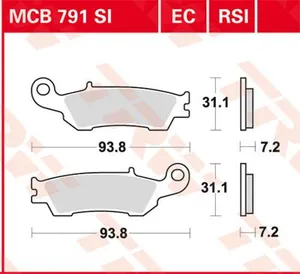
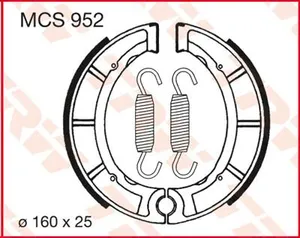
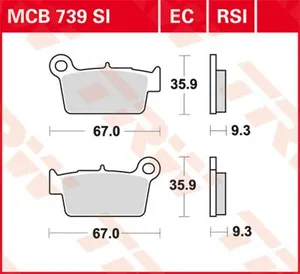
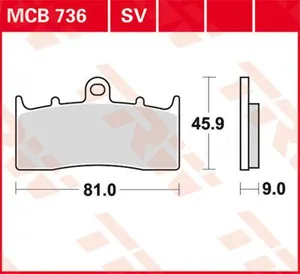
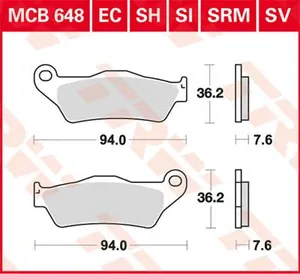
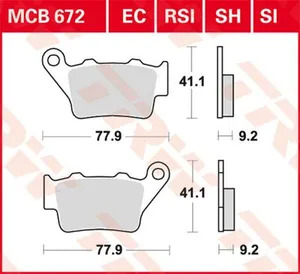
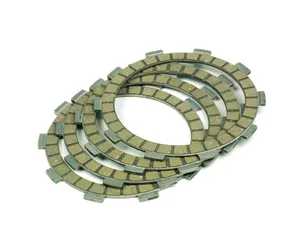
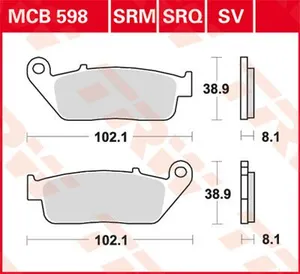
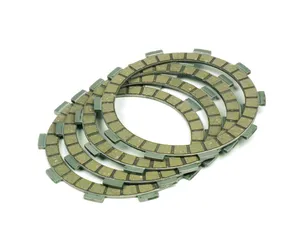
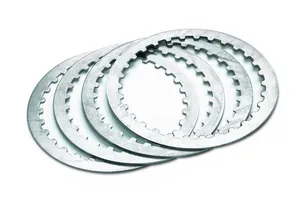
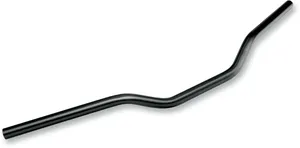
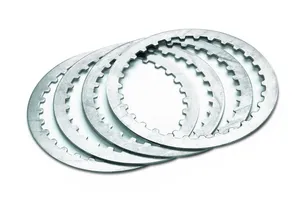
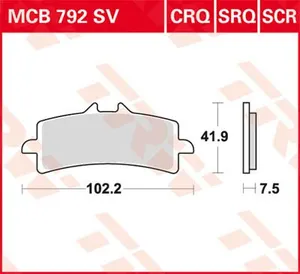
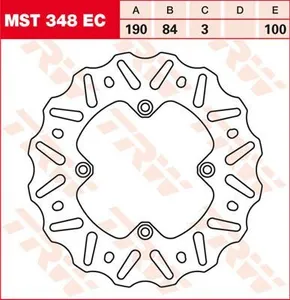
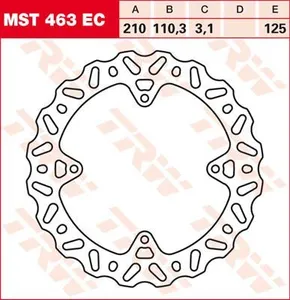
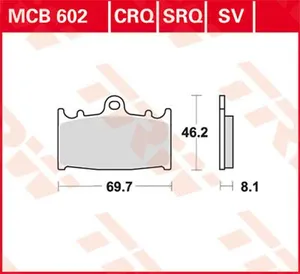
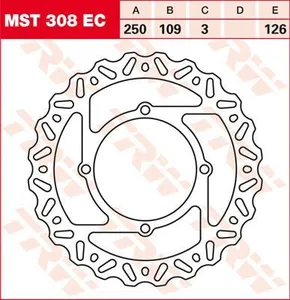
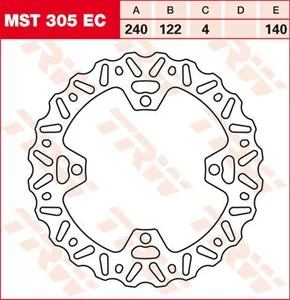
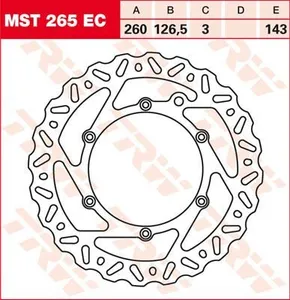
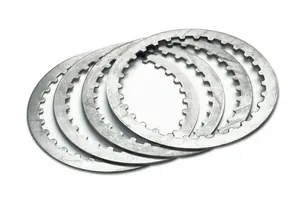
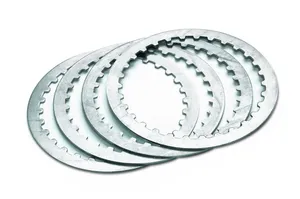
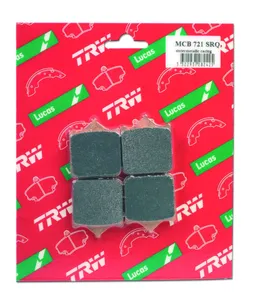
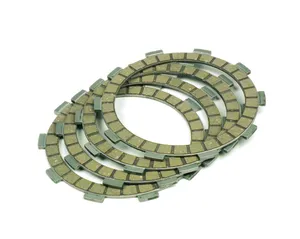
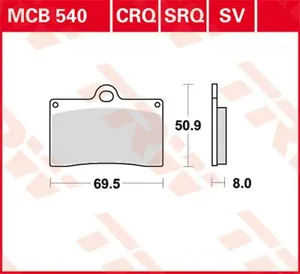
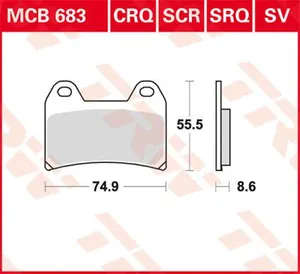
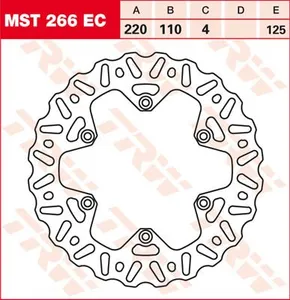
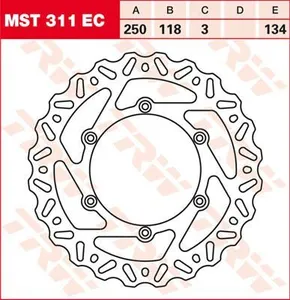
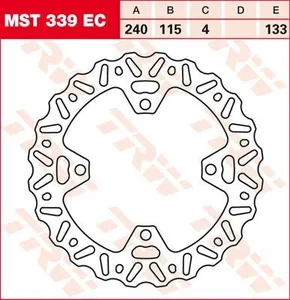
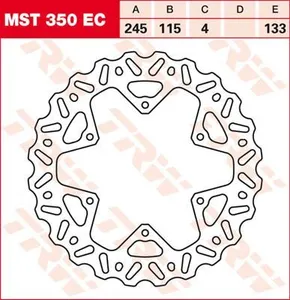
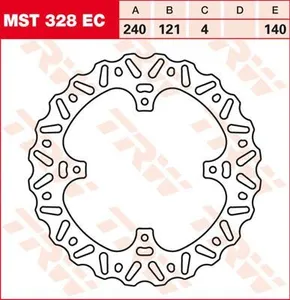
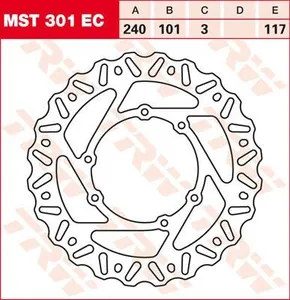
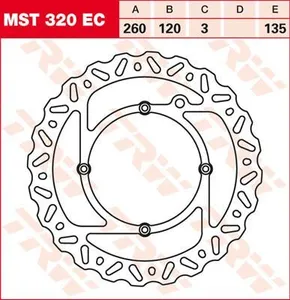
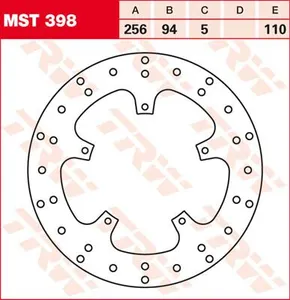
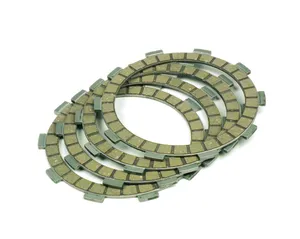
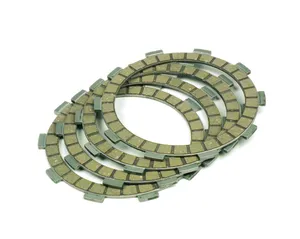
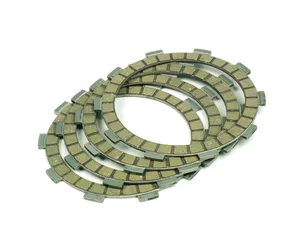
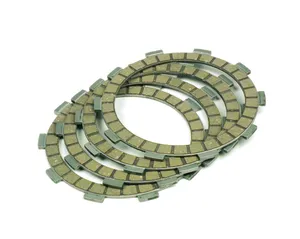
TRW sits in the brakes drawer. Discs that bolt straight to OEM hubs and hold their bite when the lever's been worked hard for twenty minutes. Friction stays consistent as the rotor heats; tolerances are tight enough that pad contact lands true from the first lap. The range covers front and rear fitments across MX and enduro hubs. Filter by your make and model to pull the right disc for a brake refresh or full rebuild.
262 parts · updated daily
// Parts
Showing 240 of 262
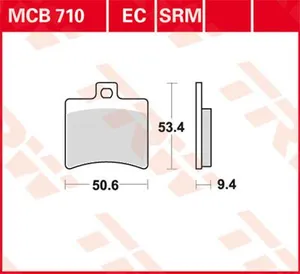
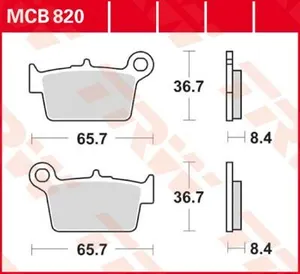
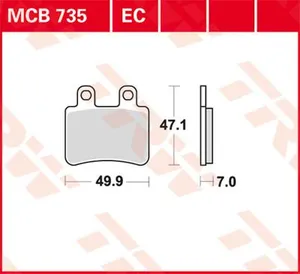
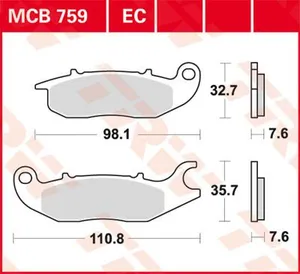
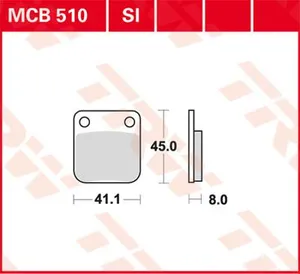
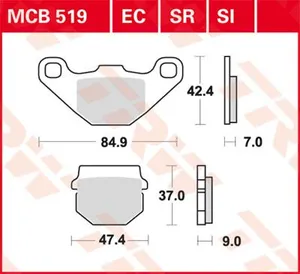
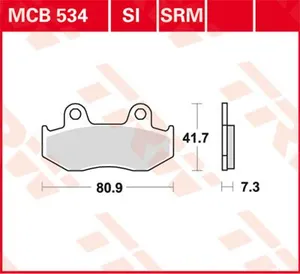
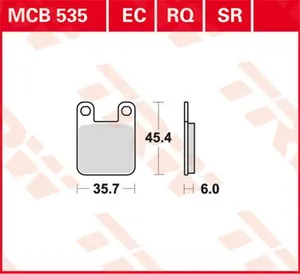
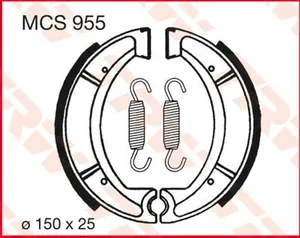
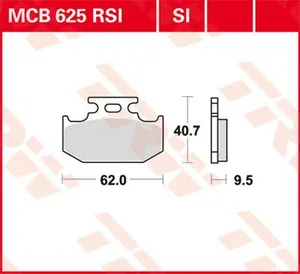
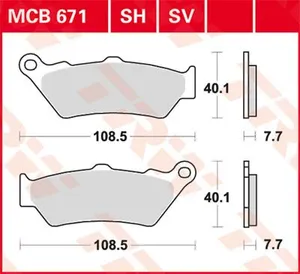
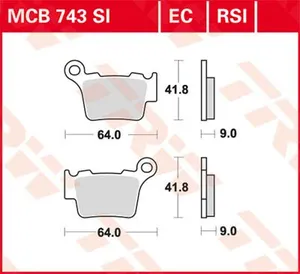
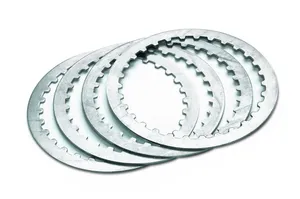
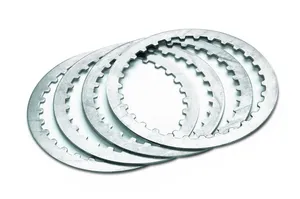
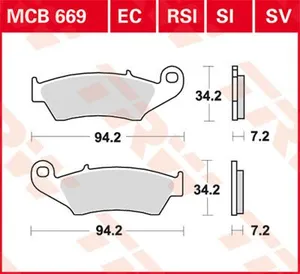
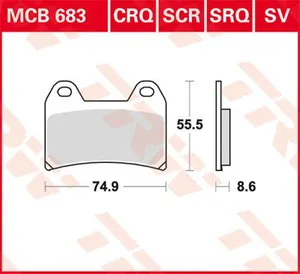
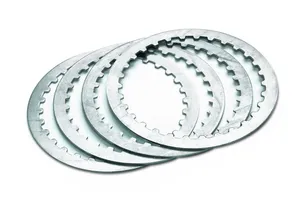
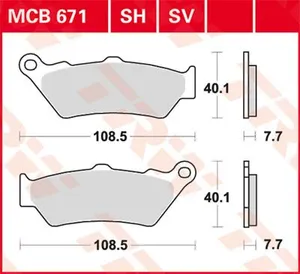
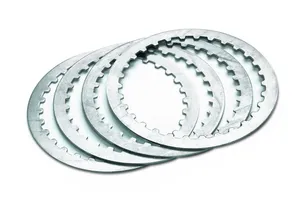
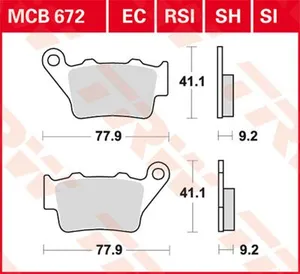

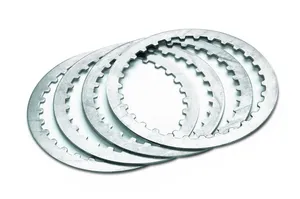
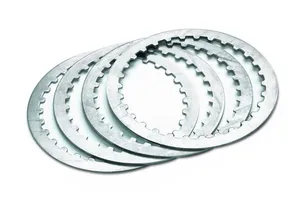

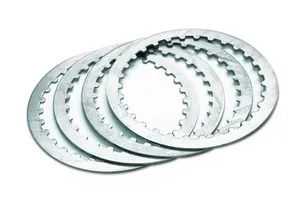


TRW — frequently asked questions
Common questions, straight answers. No fluff.
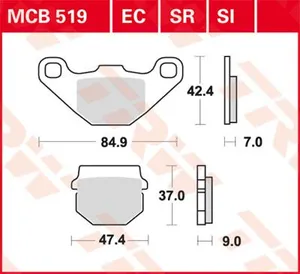
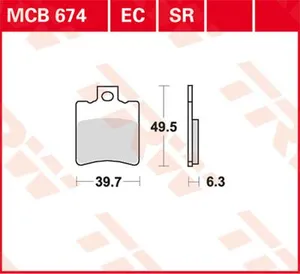
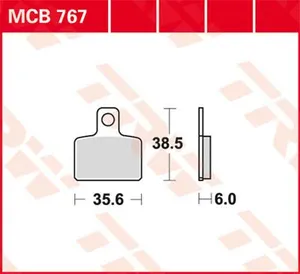
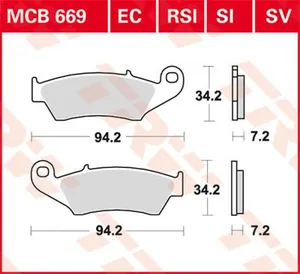
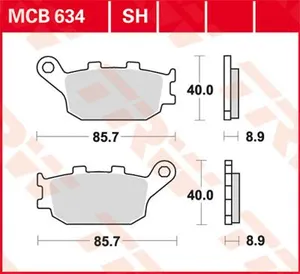
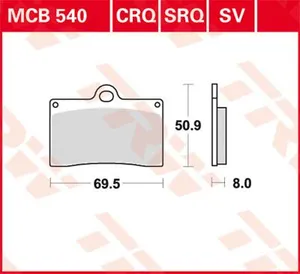
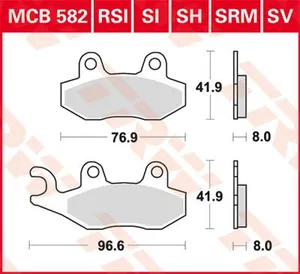
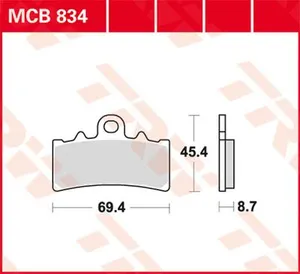
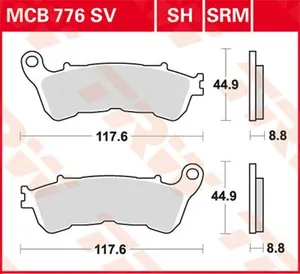
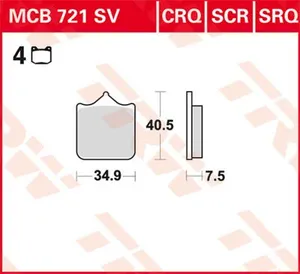
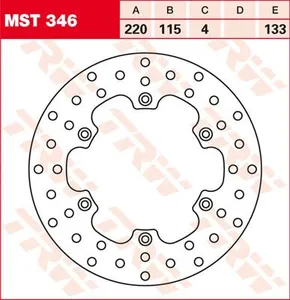
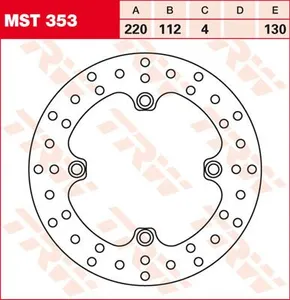
- Yes. The pads and rotors match OEM caliper geometry and mounting hardware on the bikes listed in the fitment table. Drop them in, torque to spec, bed them in, ride.
- Sintered bites hard from cold and resists fade when you're hammering the front end into corners lap after lap. Organic is softer, more progressive at the lever, kinder to the rotor, and easier to modulate in slick conditions. For a fast prepped track or any racing on hard pack, run sintered. For trail riding, technical enduro, or wet UK clay where lock-up costs you time, organic earns its place. Match the compound to the rotor — sintered pads eat softer aftermarket discs.
- Depends on rider weight, terrain, and how late you brake. A sintered front pad on a 450 typically goes 15-25 hours of moto use. Organic wears faster in grit.
- Pull the year, model and capacity off your VIN plate, then cross-reference the caliper part number stamped on the body. Manufacturers change caliper castings and rotor offsets mid-generation without changing the bike model name. The fitment table on the product page lists every variant. If your bike is on it, the part fits.
- Race pace. The friction materials hold their coefficient through repeated hard stops without glazing, and the backing plates resist the thermal warp that kills cheaper pads on the third lap. Rotors run true under load and shed mud through the slot pattern. You get the same hardware club racers fit for a national round, which means it copes with the lower-intensity stuff — green lanes, trail loops, practice days — without breaking a sweat. Bedding-in matters. Ten progressive stops from 30mph before you push them.
- Hex keys, a socket set, a torque wrench, and brake cleaner. Bleed the system after a pad swap if the pistons needed pushing back. Bed the pads in before the first hard session.