§ 02 / Brand
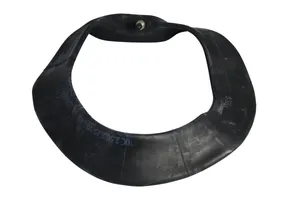
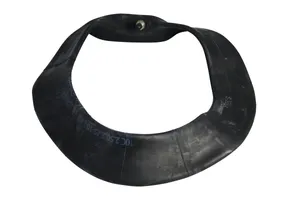
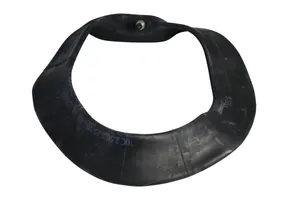
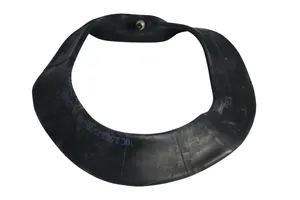
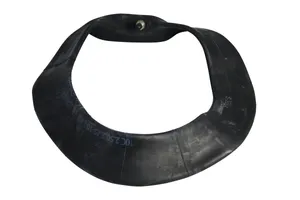
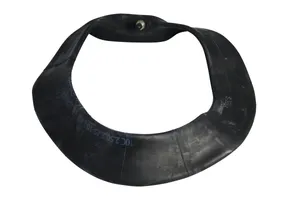
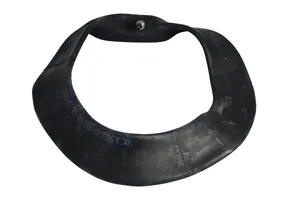
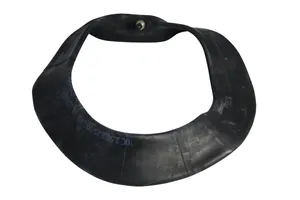
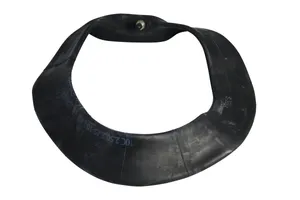
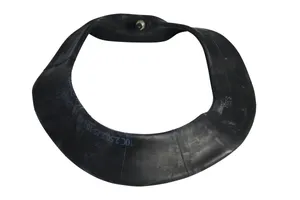
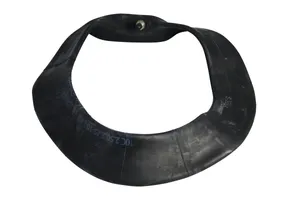
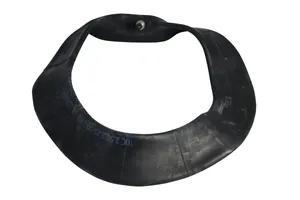
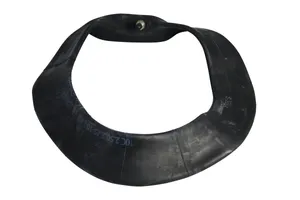
Heidenau Motorcycle Inner Tubes
The current Heidenau range is inner tubes. Browse the tube sizes and valve specifications on each product listing.
13 parts · updated daily
// Parts
All 13 parts
HEIDENAU — frequently asked questions
Common questions, straight answers. No fluff.
- Yes. The carcass is built for the weight and torque of big twins running luggage. Reinforced plies keep the sidewall stable when you're two-up with panniers, and the contact patch holds shape on broken tarmac and loose gravel without squirming under brakes.
- Honestly, not their strong suit. The tread blocks sit close together to win you road miles and tarmac manners, which means they pack out fast in sticky clay. Keep the revs up and the rear spinning and they'll clear themselves on hard-pack with wet patches. Drop into a proper bog and you'll be working for every foot of forward drive. For long-distance riding that crosses gravel, fire road, dry singletrack and motorway in the same day, the trade is worth it. For a wet enduro loop on a 250, fit a knobbly and don't fight the rubber.
- Five thousand miles is a common figure on a middleweight twin ridden mostly on road. Heavier bikes and heavier throttle hands drop that. Time spent off-road drops it further.
- Depends on the rim. Many sizes ship in a TL version that runs tubeless on the right wheel, and the same casing will accept a tube on a traditional spoked rim. Check the sidewall stamp before you fit.
- Run the bike manufacturer's road numbers on tarmac. That keeps the carcass stable and the wear even. When the surface turns loose, drop pressure to let the tread conform, but not as far as you would on a lightweight enduro tyre — the sidewall is stiff and the bike is heavy, and going too soft on a loaded adventure bike is how you pinch a tube or dent a rim. A small electric pump in the panniers means you can come back up to road pressure at the next junction. Treat the adjustment as a two-step process, not a guess.
- The compounds stay pliable when the temperature drops, so grip on cold damp roads holds up better than most 50/50 rubber. A few models run a dedicated winter-rated compound for sub-zero commuting and frosted lanes.