§ 02 / Category
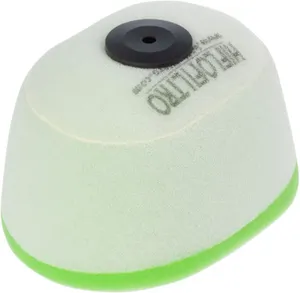
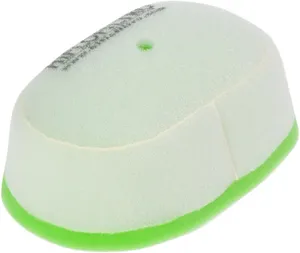
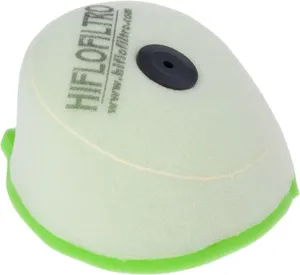
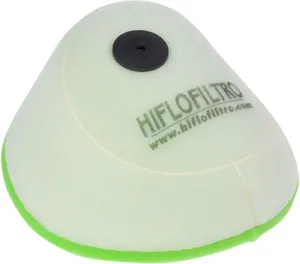
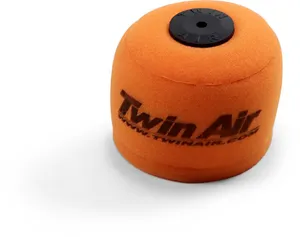
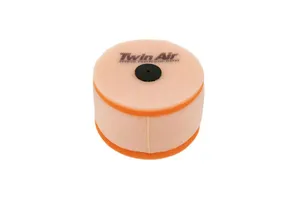
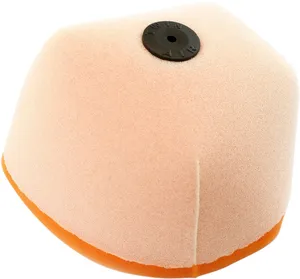
FiltersAir Filters for Motocross, Enduro & Trials
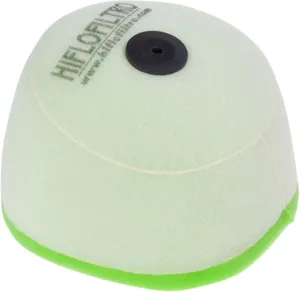
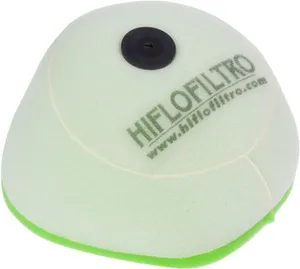
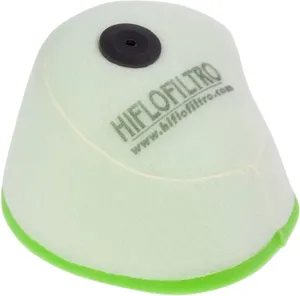
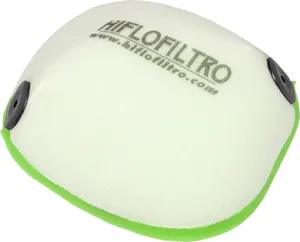
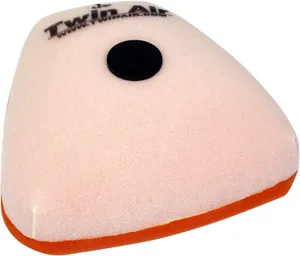
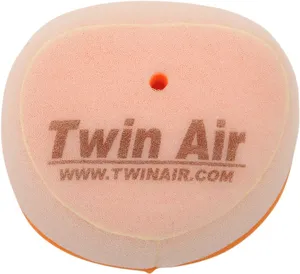
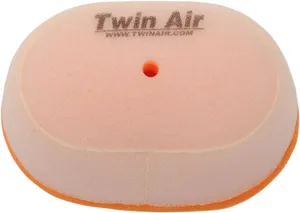
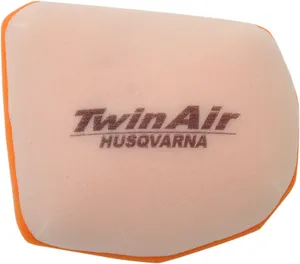
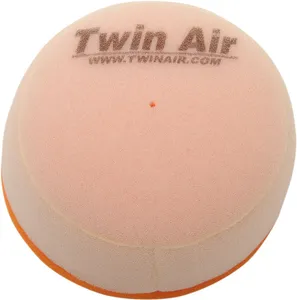
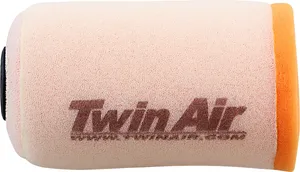
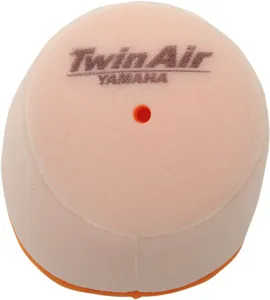
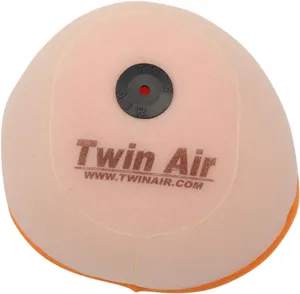
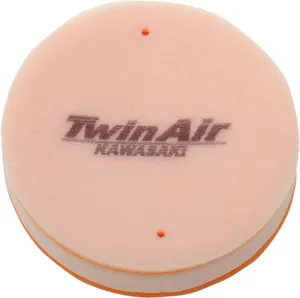
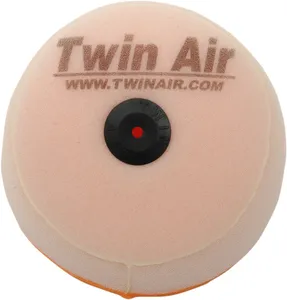
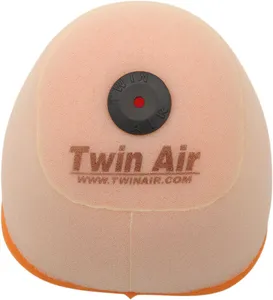
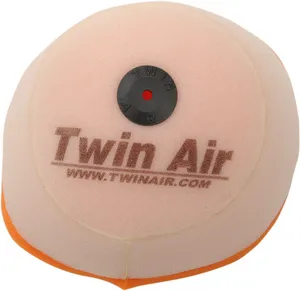
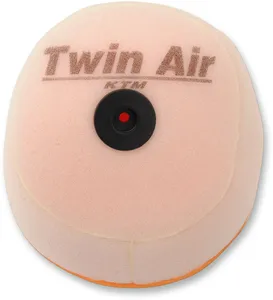
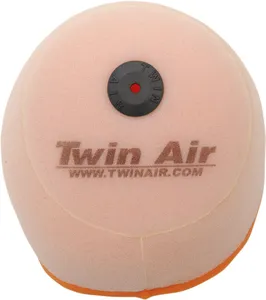
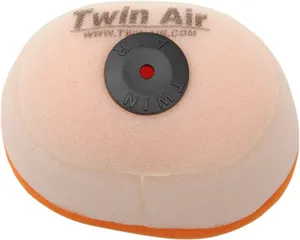
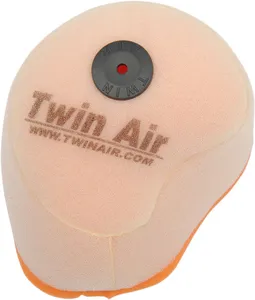
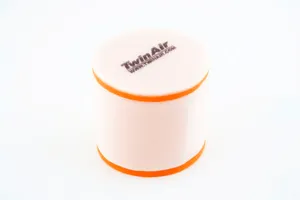
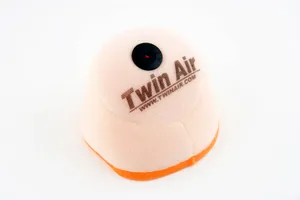
Replacement air filters and filter accessories for motocross, enduro and trials bikes. Browse Twin Air, DT-1, Moose Offroad and other brands, with applications listed on each product.
790 parts · updated daily
// Parts
Showing 240 of 790
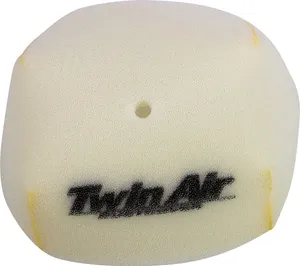
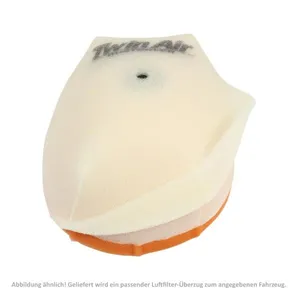
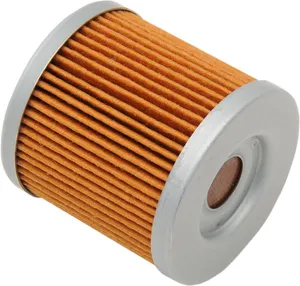
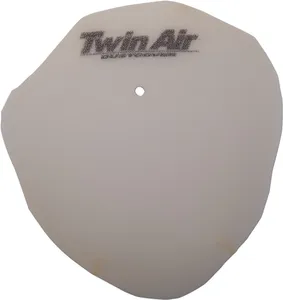
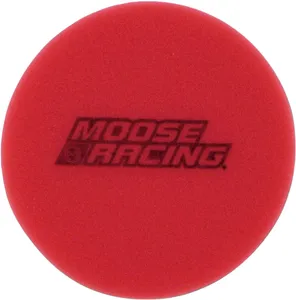
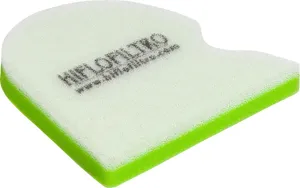
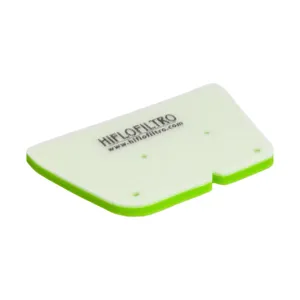
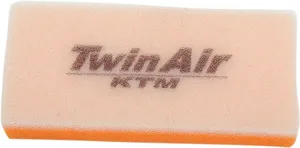
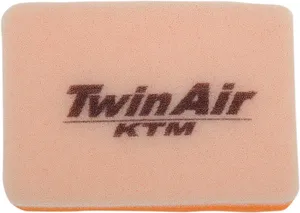
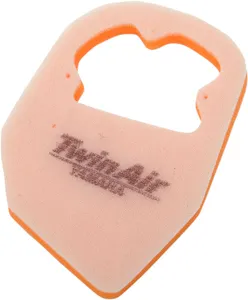
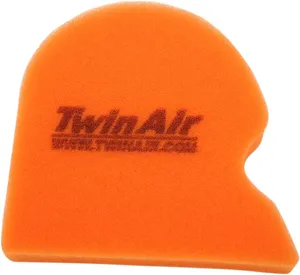
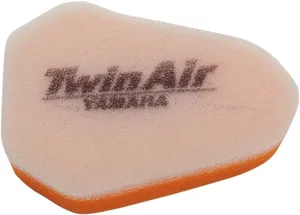
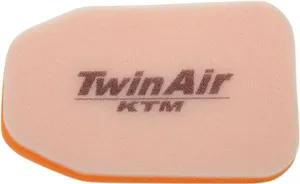
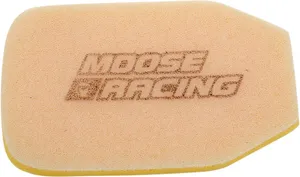
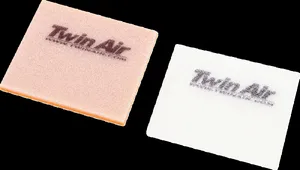
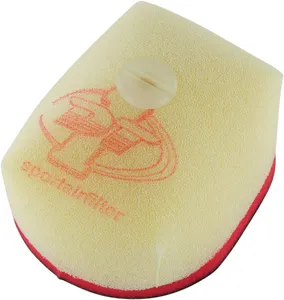
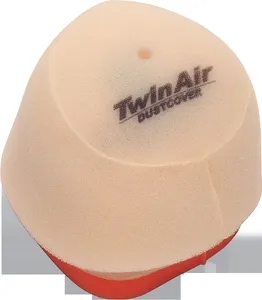
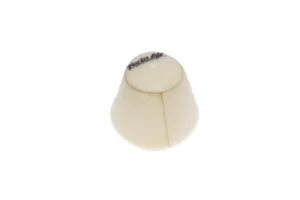
TWIN AIR
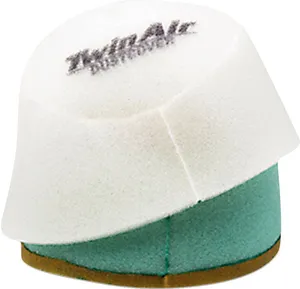
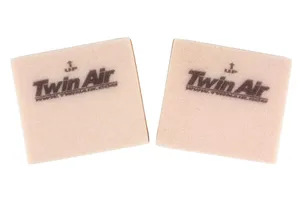
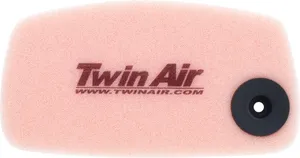
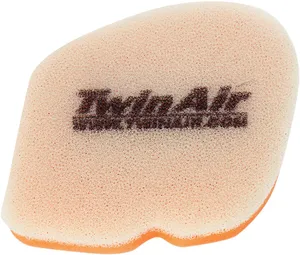
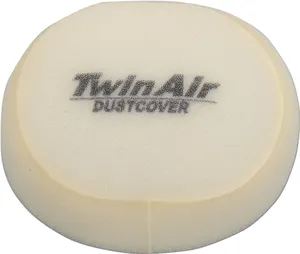
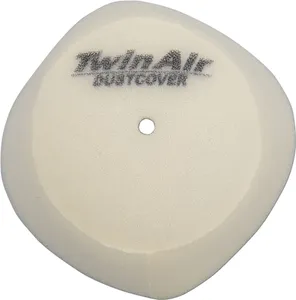
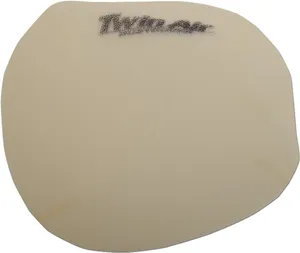
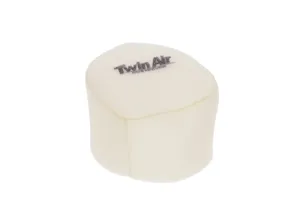
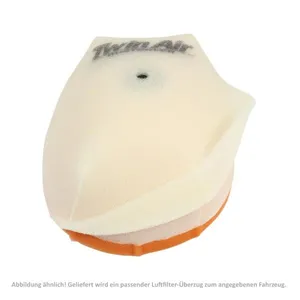
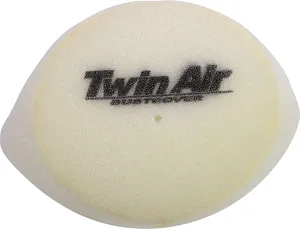
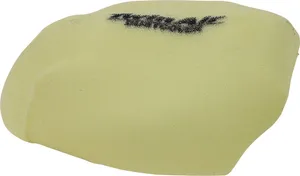
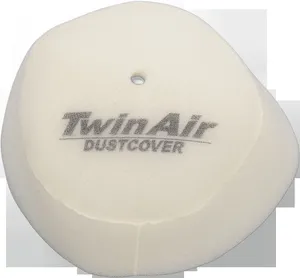
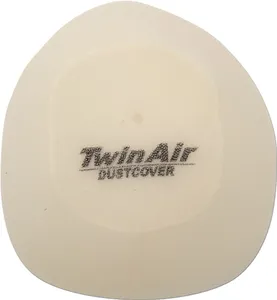
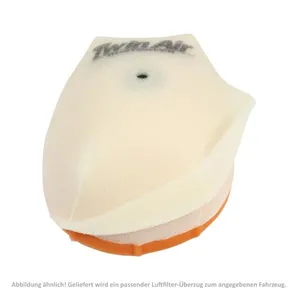
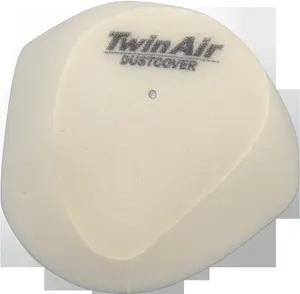
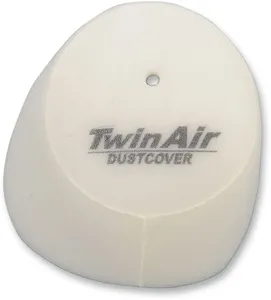
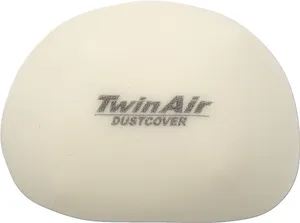
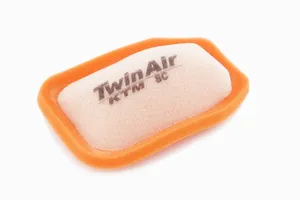
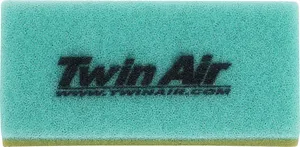
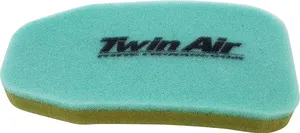
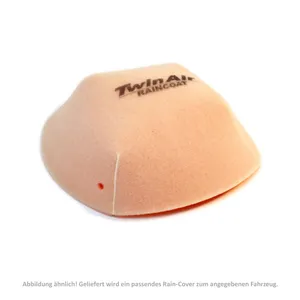
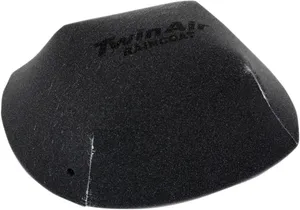
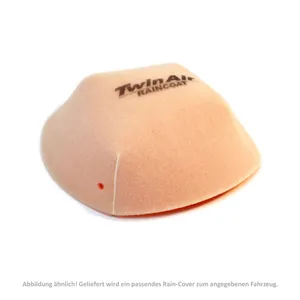
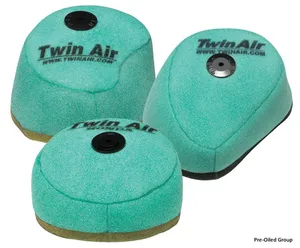
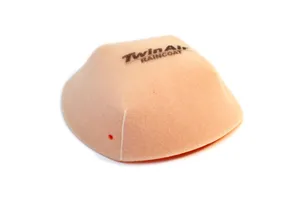
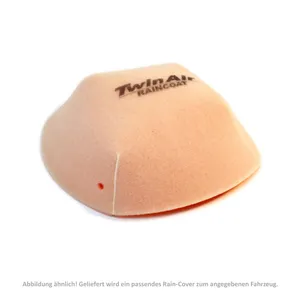
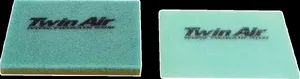
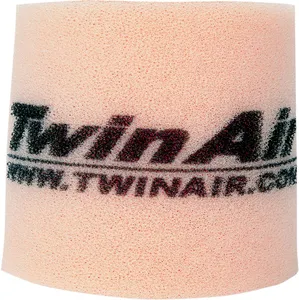
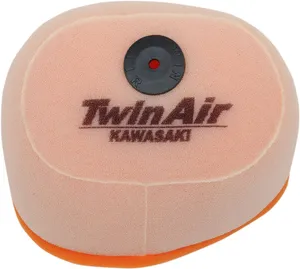
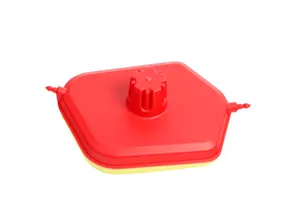
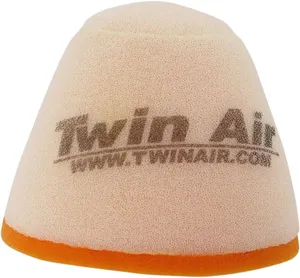
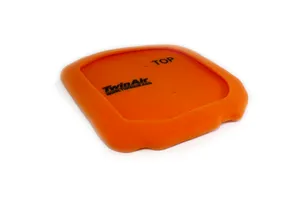
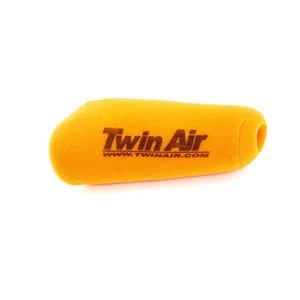
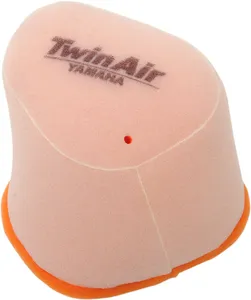
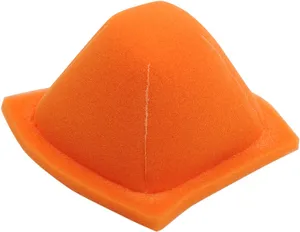
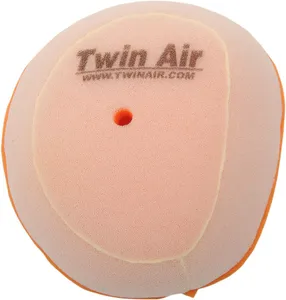
Twin Air Air Filter Dust Cover 10110449 for Yamaha YZ85LW YZ85SW 2002–2026
£8.59
RRP
£10.10
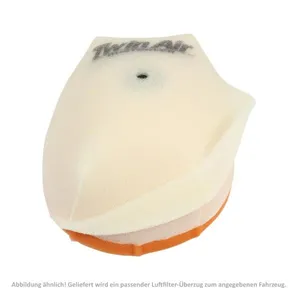
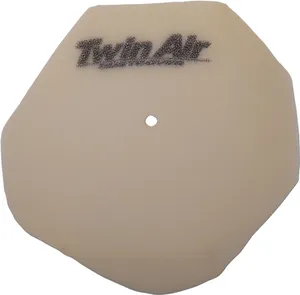
DT-1 RACING EUROPE
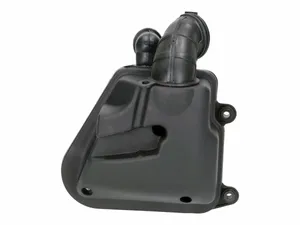
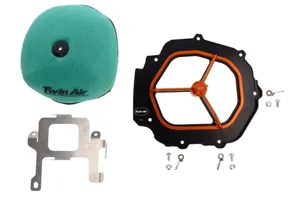
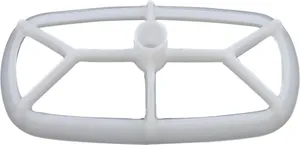
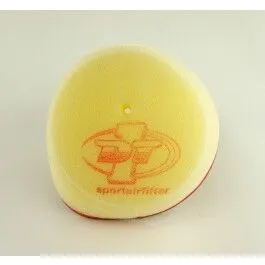
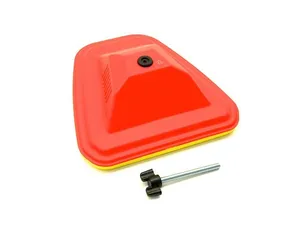
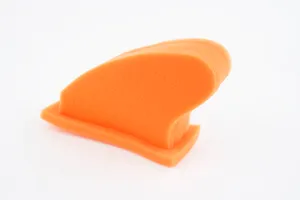
DT-1 Racing Europe Airbox Cover 10114031 for Yamaha YZ450F 2018
£11.69
RRP
£14.26
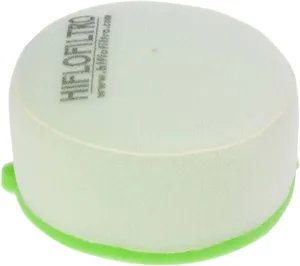
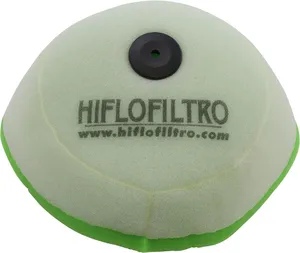
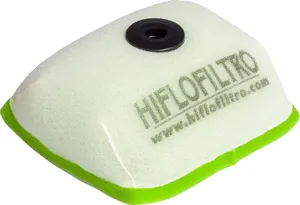
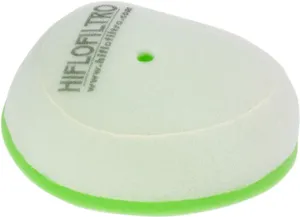
Air Filters — frequently asked questions
Common questions, straight answers. No fluff.
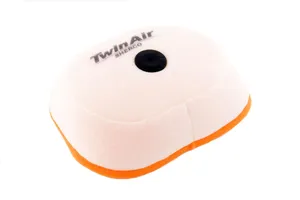
- Replace your filter when the foam begins to crumble or the bonded seams pull apart. A clean filter is cheaper than a top-end rebuild. Inspect the foam density after every wash to ensure it still traps fine dust effectively.
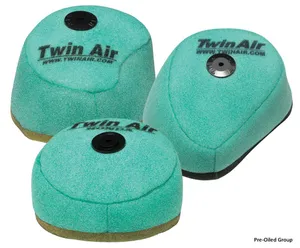
- Pre-oiled filters offer immediate fitment and guaranteed coverage from the factory. They eliminate the mess of manual oiling and ensure the correct volume of fluid is used. If you prefer to oil your own, ensure the foam is completely saturated then squeezed out to remove excess. Never wring or twist the foam as this tears the internal structure. Manual oiling allows you to choose specific tackiness for your riding conditions, but pre-oiled units are the standard for race-day convenience and consistency across your spares kit.
- Check your bike year and displacement against the fitment guide. The filter must seat flush against the intake boot with no gaps. Apply a thin layer of waterproof grease to the sealing flange to create an airtight barrier against silt and water.
- You can clean a foam filter multiple times using dedicated solvent and warm soapy water. However, harsh chemicals eventually degrade the glue holding the panels together. Once the seams show signs of lifting or the foam feels brittle, the filter is dead. Dirt bikes operating in deep sand or silt require more frequent replacements to prevent micro-particles from scouring the cylinder bore. Keeping a rotation of three or four filters ensures you always have a fresh unit ready, reducing the temptation to run a compromised or poorly dried part.
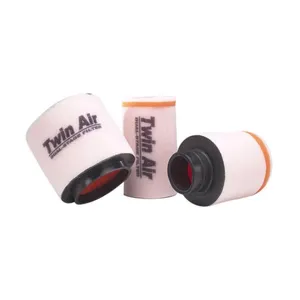
- Dual-stage filters use two different foam densities bonded together. The outer layer stops large debris and mud. The finer inner layer traps microscopic dust that would otherwise reach the intake. This design provides better airflow over a longer period compared to single-layer filters which can clog quickly in dusty conditions.
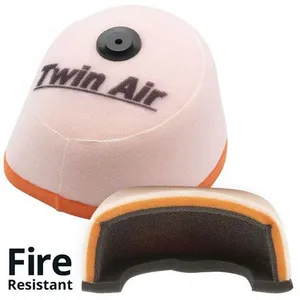
- If you have removed the restrictive OEM metal backfire screen from your intake, you must use a flame-retardant filter. These feature a specialized inner foam layer that prevents the filter from igniting during a backfire. It is a common modification to improve throttle response, but it requires this specific foam specification to avoid a fire in the airbox.