§ 02 / Brand
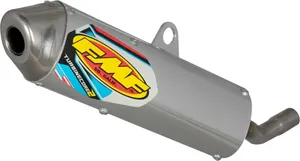
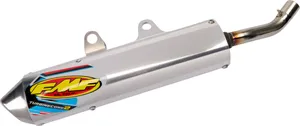
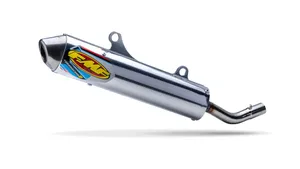
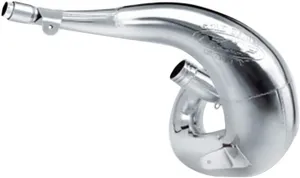
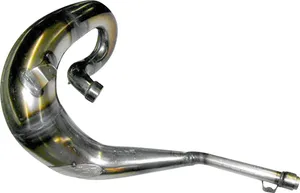
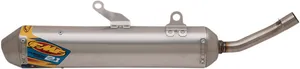
FMF Exhausts, Spares & Casual Clothing
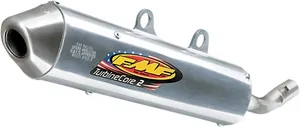
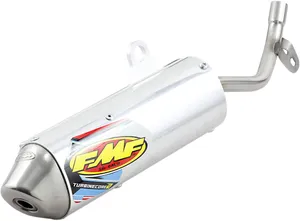
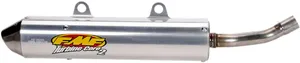
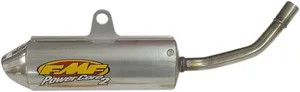
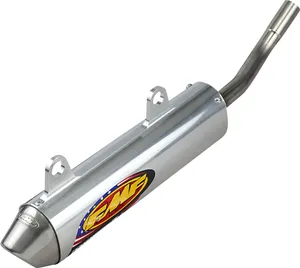
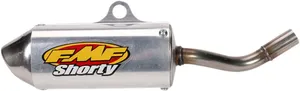
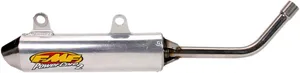
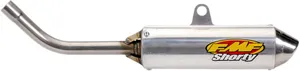
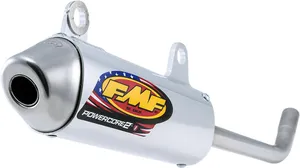
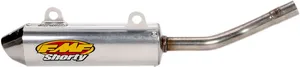
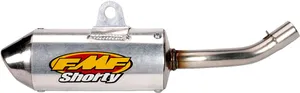
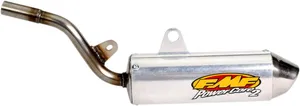
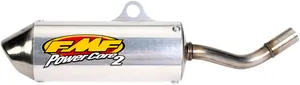
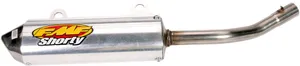
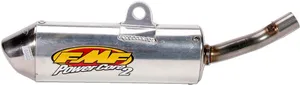
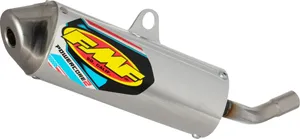
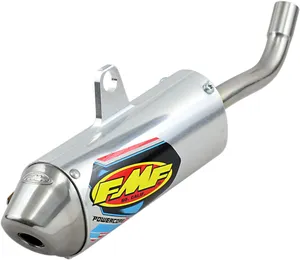
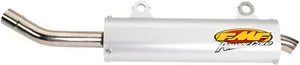
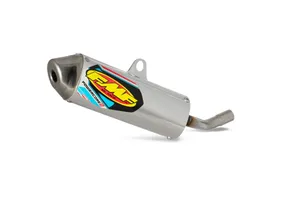
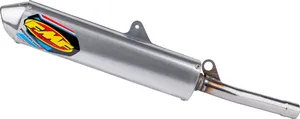
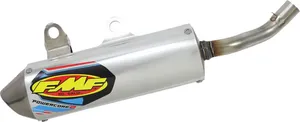
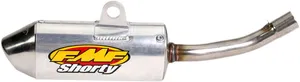
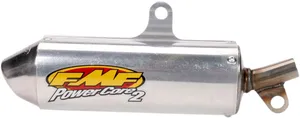
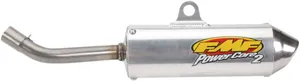
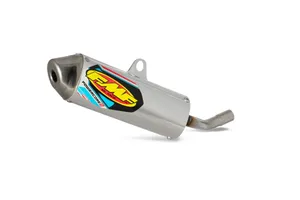
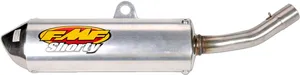
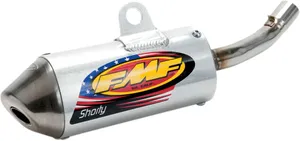
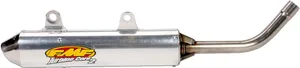
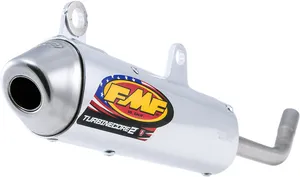
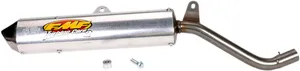
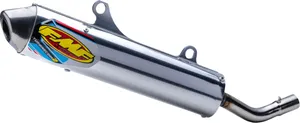
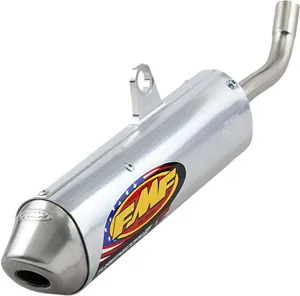
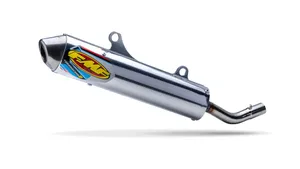
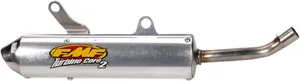
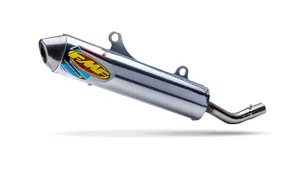
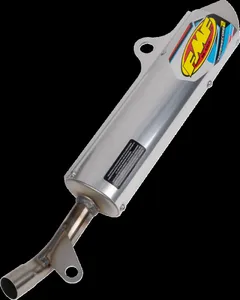
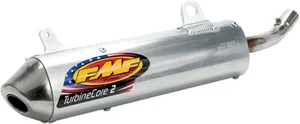
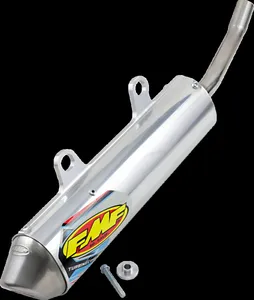
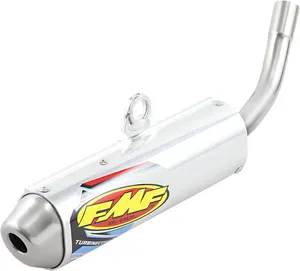
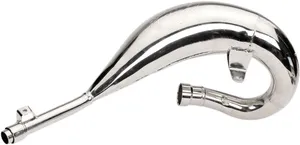
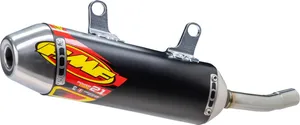
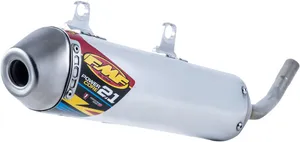
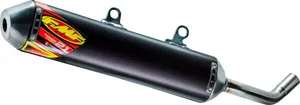
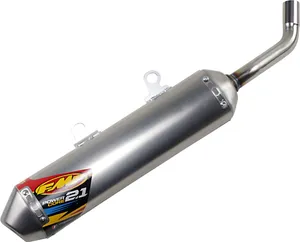
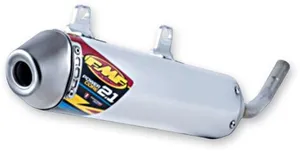
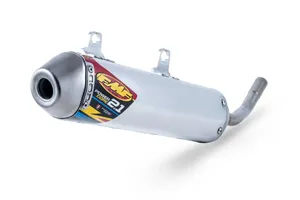
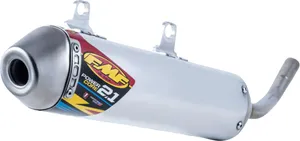
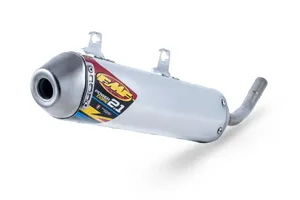
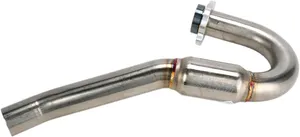
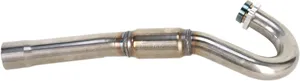
FMF exhaust systems, pipes, silencers and replacement parts, with casual T-shirts and sweatshirts in the same range. Browse exhaust products by the listed bike application.
513 parts · updated daily
// Parts
Showing 240 of 513





















FMF — frequently asked questions
Common questions, straight answers. No fluff.
- Most slip-ons clamp to the OEM header. Check the year and model fitment notes before ordering. Inlet diameters changed mid-generation on a few KTM and Honda platforms, and a 2mm mismatch means a leak you can hear at idle.
- A full system shifts the air-fuel ratio enough that the ECU map can't always compensate. On modern fuel-injected four-strokes a Vortex, GET or Power Tuner map gets the most out of the pipe and keeps the piston crown out of trouble. Run it stock and the bike will pull harder up top but sit lean in the mid-range, which shows up as hanging revs and extra heat through the head. Carburetted bikes need a main jet bump and the needle one clip leaner before the first proper ride. The pipe gives you the power. The fueling is what makes it usable.
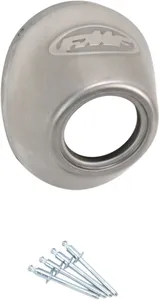
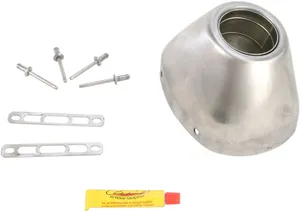
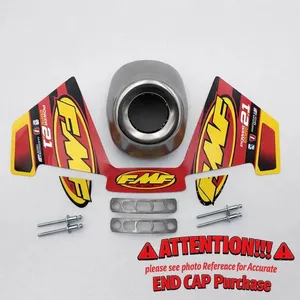
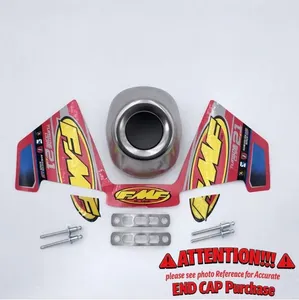
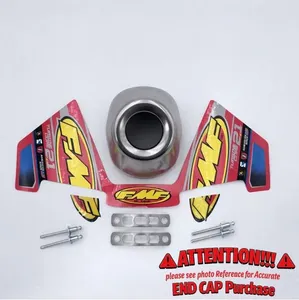
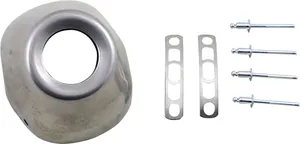
- Four-strokes lose packing slower than two-strokes. Pull the end cap every 20 to 30 ride hours on a four-stroke and check the wool. Two-strokes running rich need it sooner, sometimes every 15 hours, sooner if the canister starts going gold or blue. Fresh packing brings the decibels back down and the bottom-end back up. Leave it too long and the wool burns out, the note turns flat and harsh, and the outer can starts heat-staining permanently. Repack kits are cheap. Replacement cans aren't.
- Yes. A titanium Factory 4.1 over a stock four-stroke can pulls roughly 1.5 to 2kg off the right side of the bike, high and rearward. You feel it in direction changes and on the rear suspension.
- Longer cans favour bottom-end torque and run quieter at the tip. That suits enduro, hare and hounds, and any track with a sound limit on the gate. Shorter cans free up top-end and rev faster but sit louder, which is fine for MX where the engine lives high in the range. Pick by discipline first and noise rule second. Both flow harder than the OEM unit, so the question is where in the powerband you want the gain, not whether there is one.
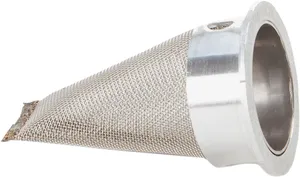
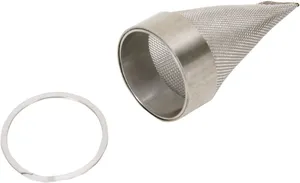
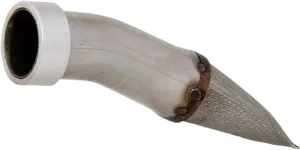
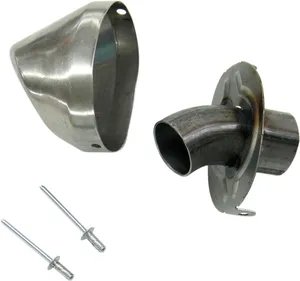
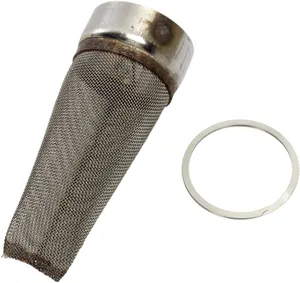
- Most trail-targeted silencers ship with a USFS-approved arrestor screen built into the end cap or supplied as a bolt-in insert. Race-only cans don't. Check the part listing, and clean the screen every few rides if you spend time in dust.