§ 02 / Brand
EBC Brake Pads, Discs & Clutch Parts
Brake-service parts and replacement clutch components in one range. Listings distinguish pad compounds, disc applications and clutch-kit contents.
684 parts · updated daily
// Parts
Showing 240 of 684




EBC — frequently asked questions
Common questions, straight answers. No fluff.
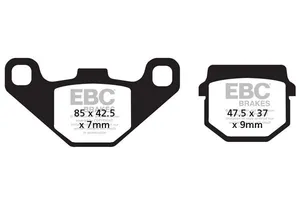
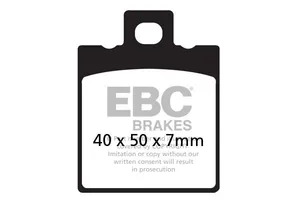
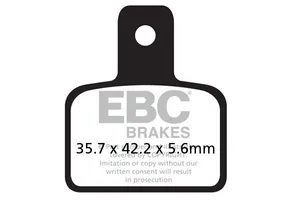
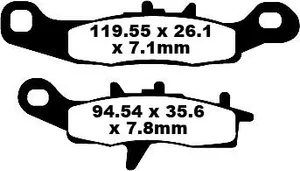
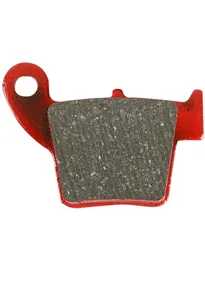
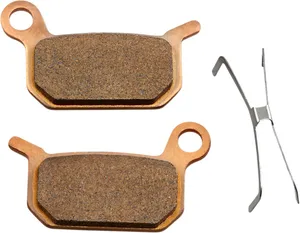
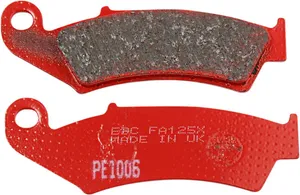
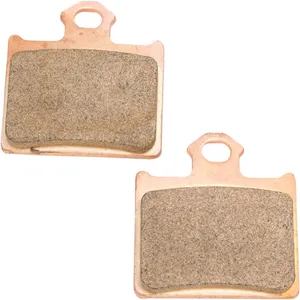
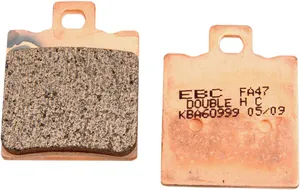
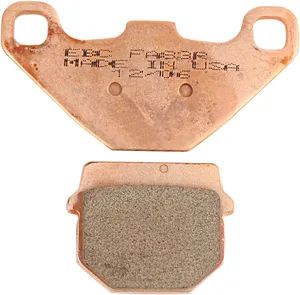
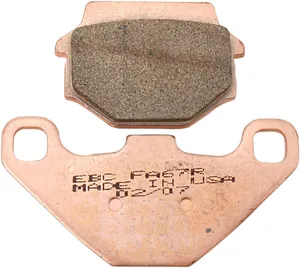
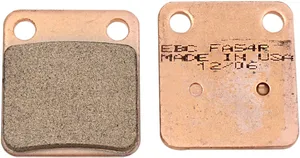
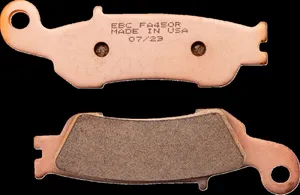
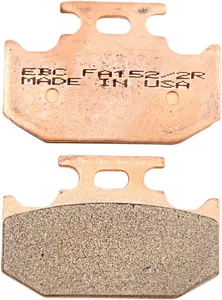
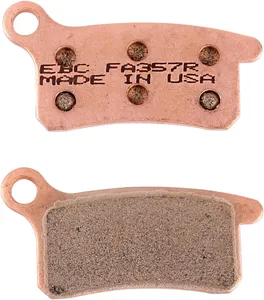
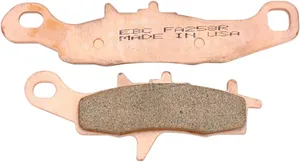
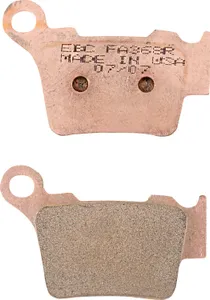
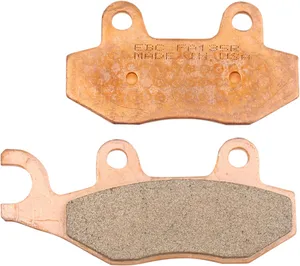
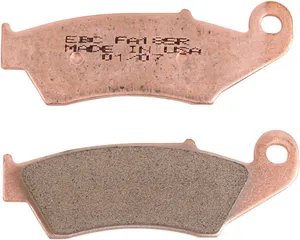
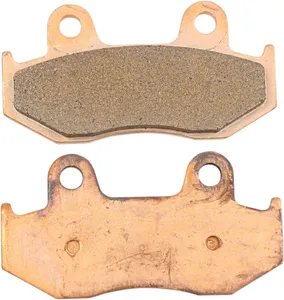
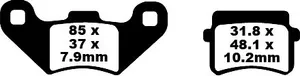
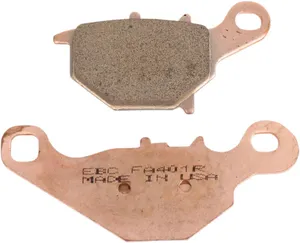
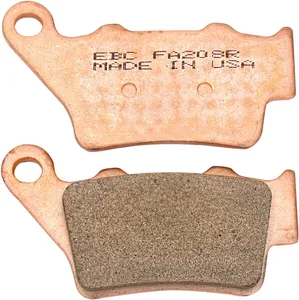
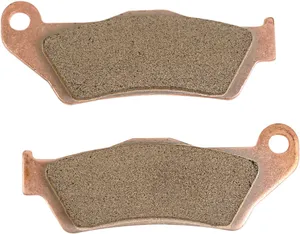
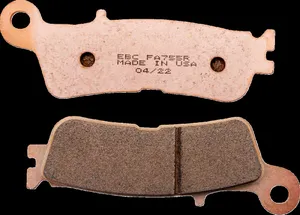
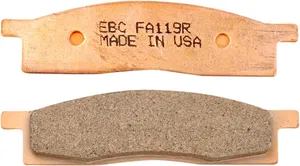
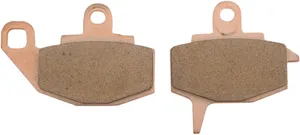
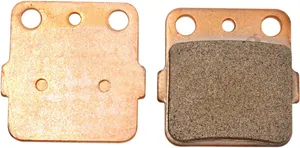
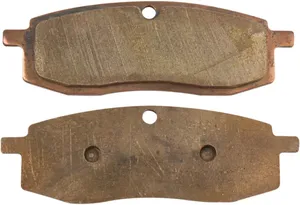
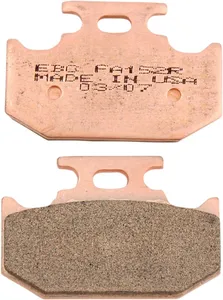
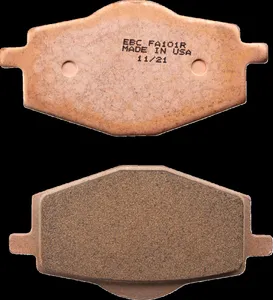
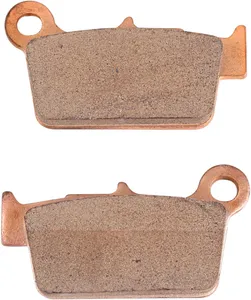
- Sintered. The metal matrix shrugs off grit and slurry that chews organic pads inside a moto. Bite stays consistent when the rotor comes out of a bomb-hole soaked, where organics glaze and fade. Run the FA series sintered up front for enduro and MX. Pair with a fresh rotor if the old one is grooved past 3.5mm and the pads will bed clean inside two laps.
- Not always. Check the rotor first. If it sits within the minimum thickness stamped on the carrier and runs true on a dial gauge, fit pads and bed them in. Replace when you see hard ridges, blue heat staining, or thickness under spec.
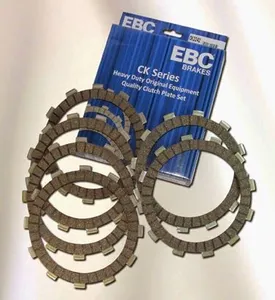
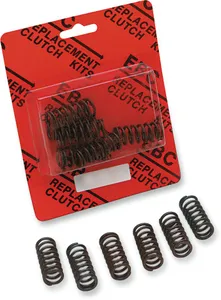
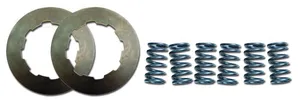
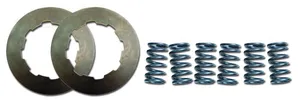
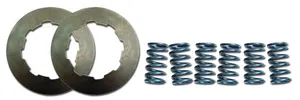
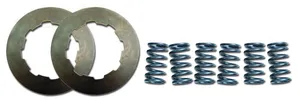
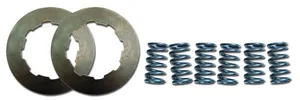
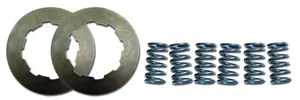
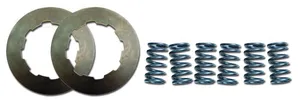
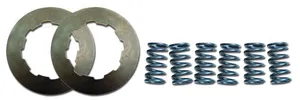
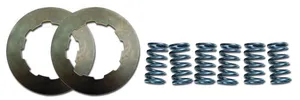
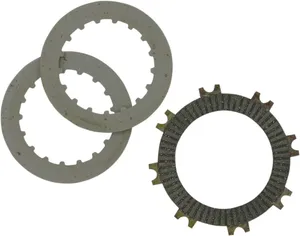
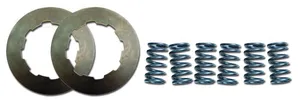
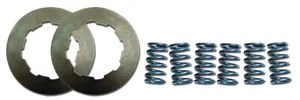
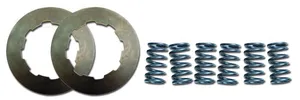
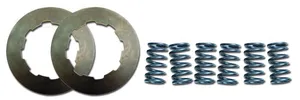
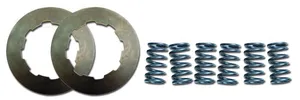
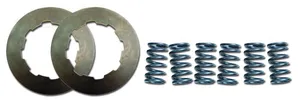
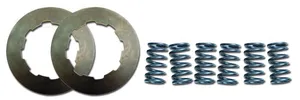
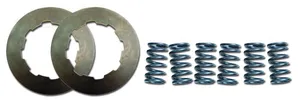
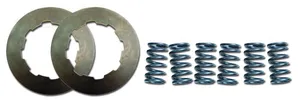
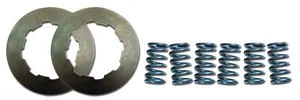
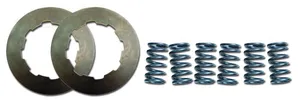
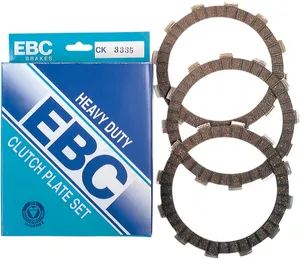
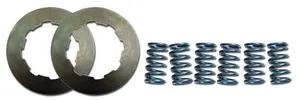
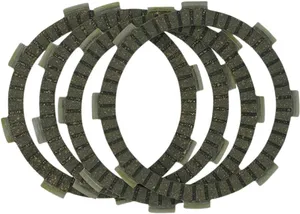
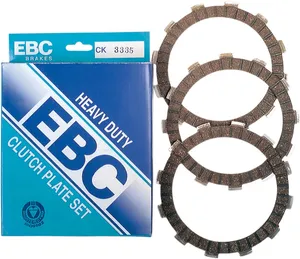
- Yes. The SRK kits run thicker friction plates and stiffer springs than stock, which is what you want when the clutch is taking abuse on deep sand starts or technical climbs where slipping is constant. Heat is the killer in those conditions and the higher clamp load keeps the stack from glazing. Fit them with fresh oil rated for wet clutches, bed the plates with twenty controlled launches, and the kit will outlast two seasons of club racing on a 250F.
- Twenty stops from about 30mph, easing off before the bike stands on its nose. Then five harder pulls from 50mph. Let the caliper cool between sets. The point is to lay an even transfer film on the rotor. Skip it and the pads will judder.
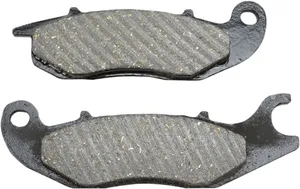
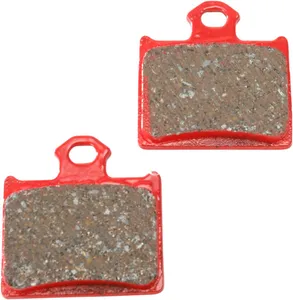
- On lighter bikes and dry trail work where you want feel rather than a hard initial bite. The carbon compound modulates better at the lever, so a two-finger rider gets finer control on loose dirt and roots without locking the front. Heat output is lower, which suits older single-piston calipers that struggle to dump temperature. The trade is wear rate. In wet, gritty conditions carbon goes off quicker than sintered, so keep them for summer trail bikes and vintage twin-shock builds rather than winter enduro.
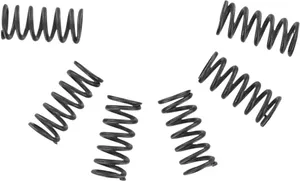
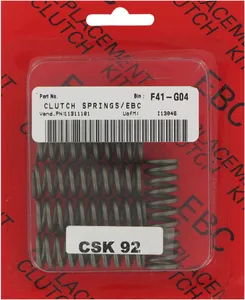
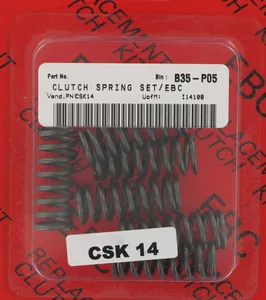
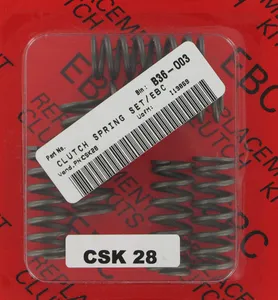
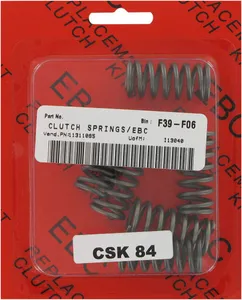
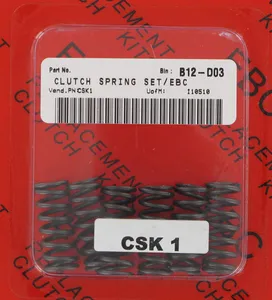
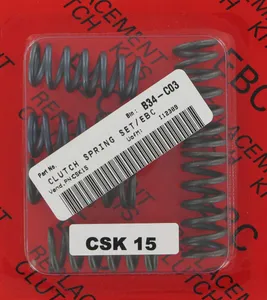
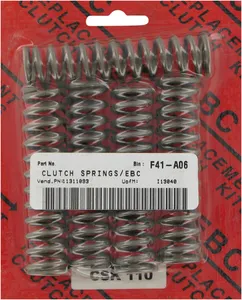
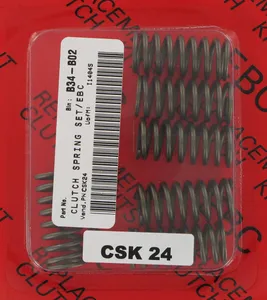
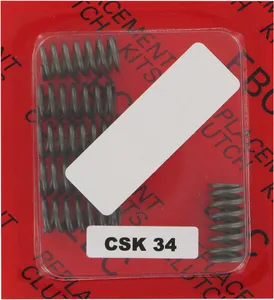
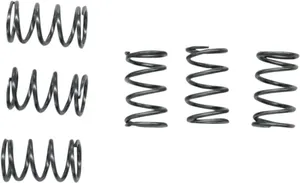
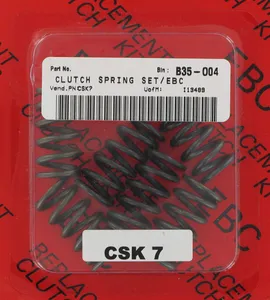
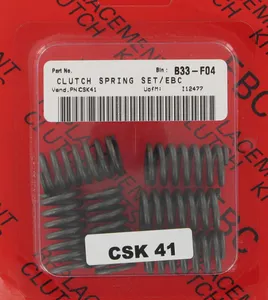
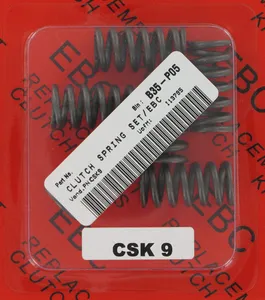
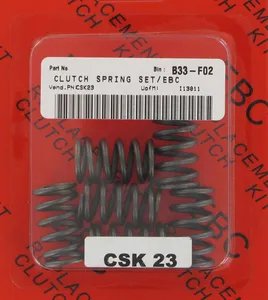
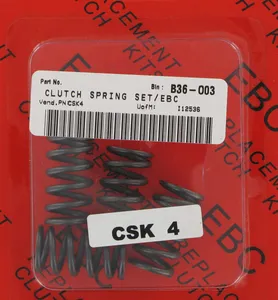
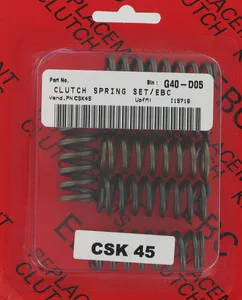
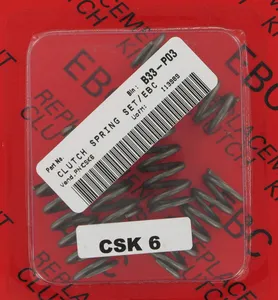
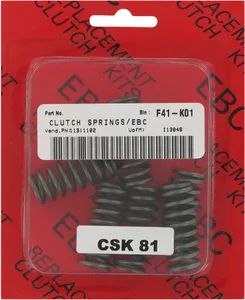
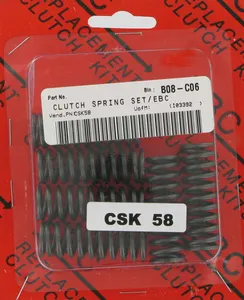
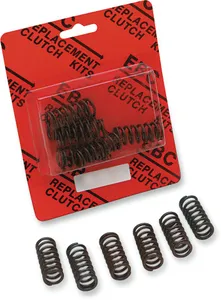
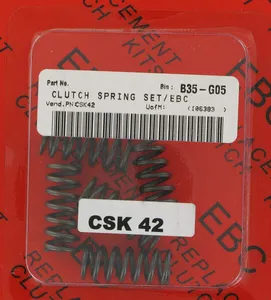
- Yes, the heavy-duty springs are cut to OEM free length and spring rate steps up from there. Fit them in a clean basket, torque the pressure plate bolts in a star pattern to the manual spec, and bleed the hydraulic line if the bike runs one. Expect a slightly heavier pull at the lever.