§ 02 / Brand
Wiseco Pistons & Engine Rebuild Parts
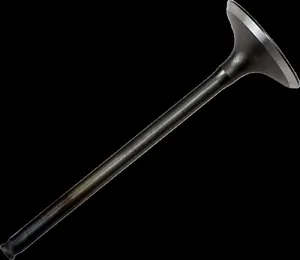
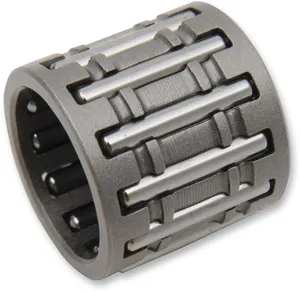
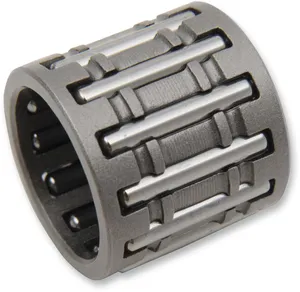
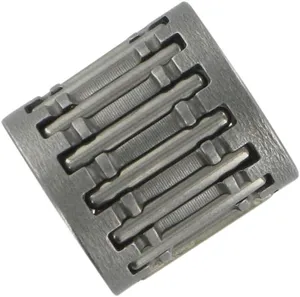
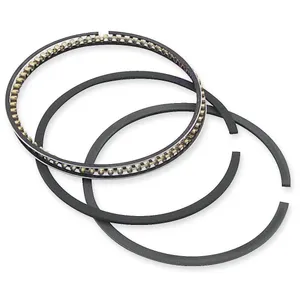
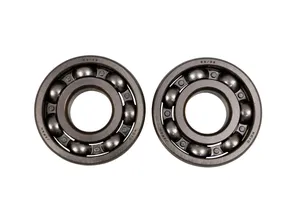
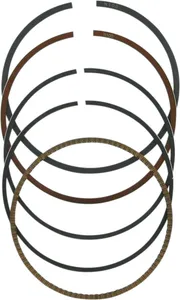
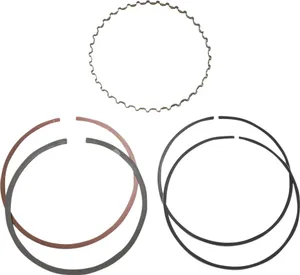
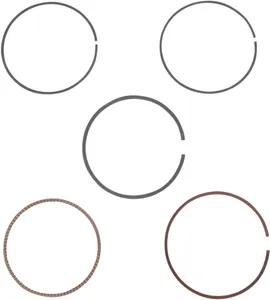
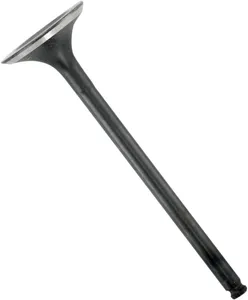
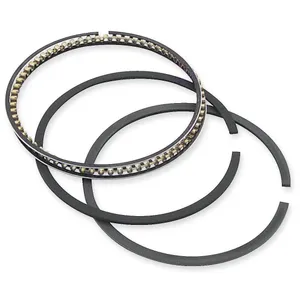
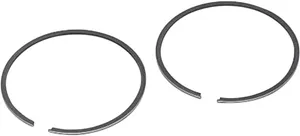
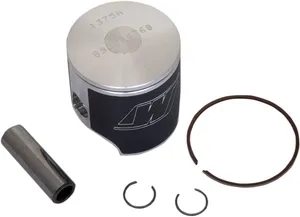
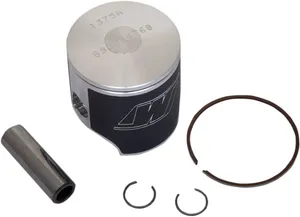
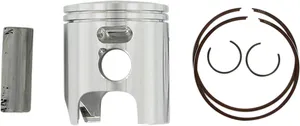
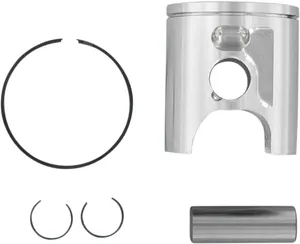
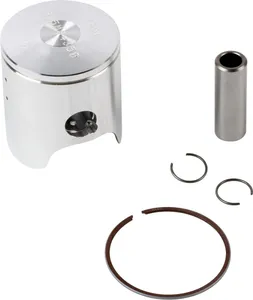
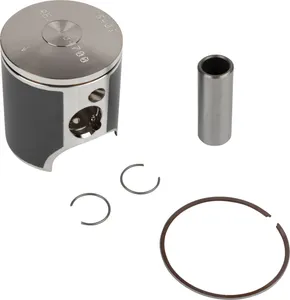
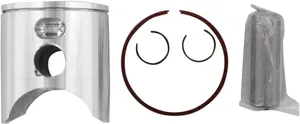
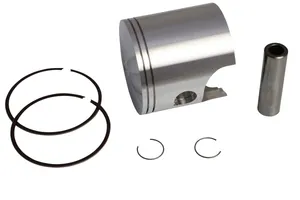
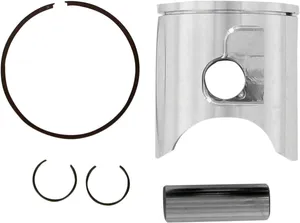
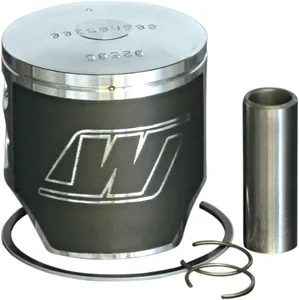
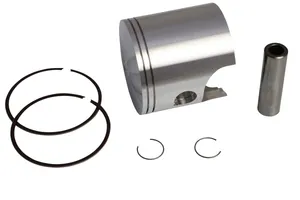
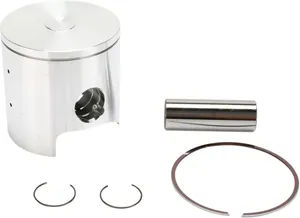
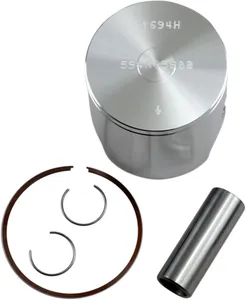
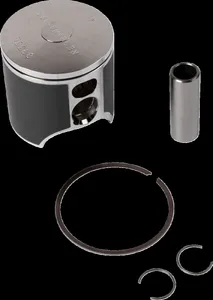
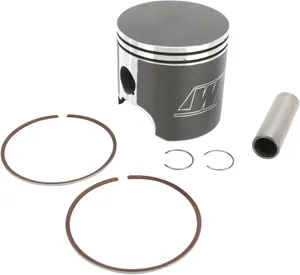
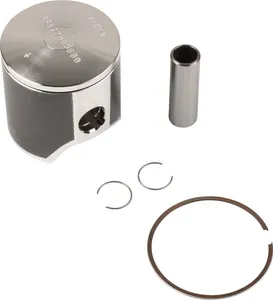
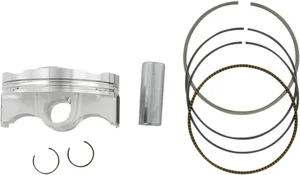
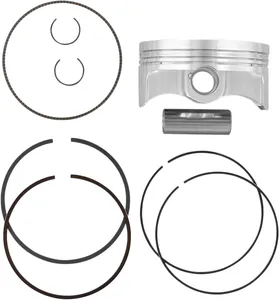
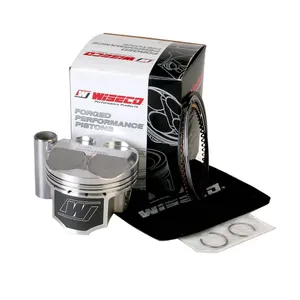
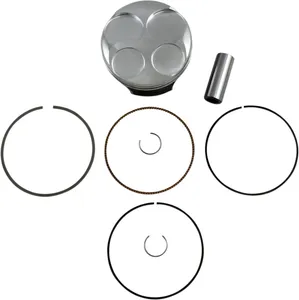
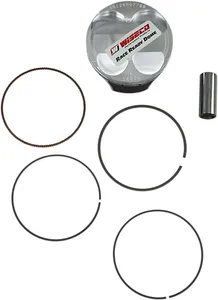
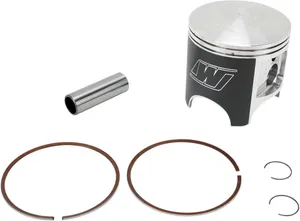
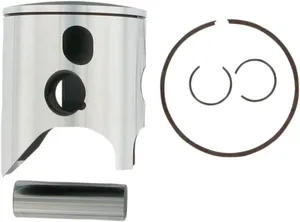
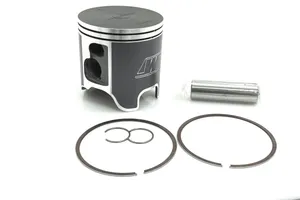
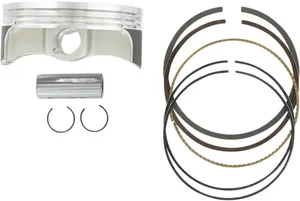
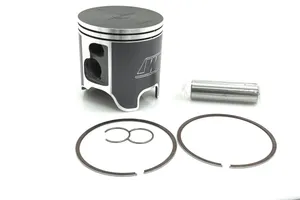
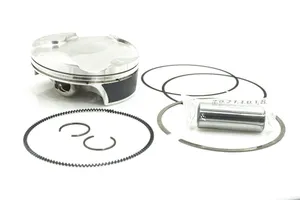
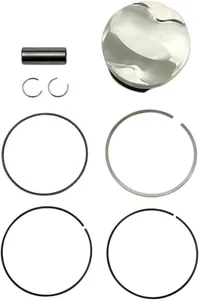
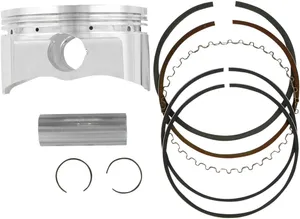
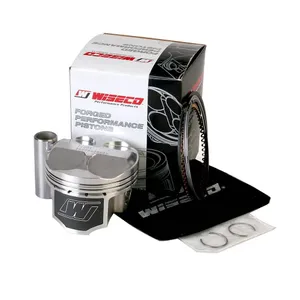
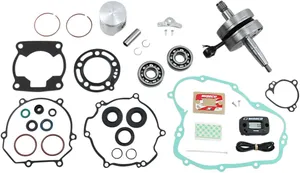
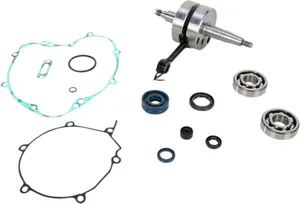
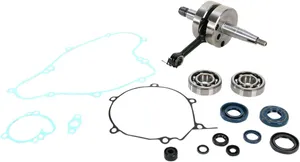
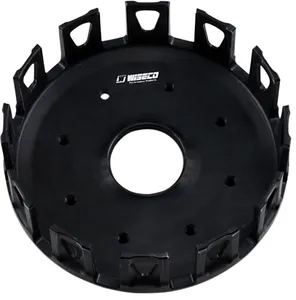
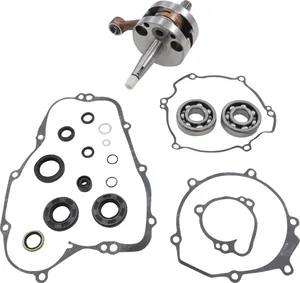
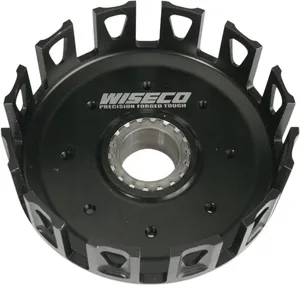
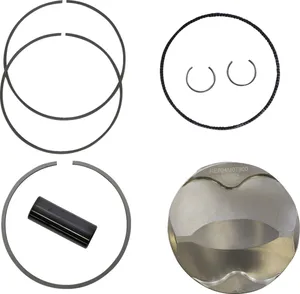
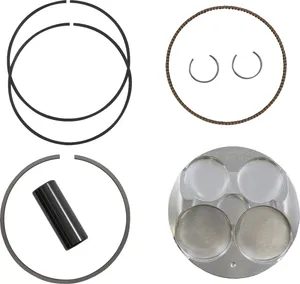
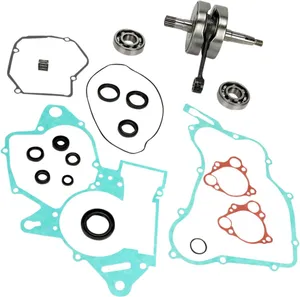
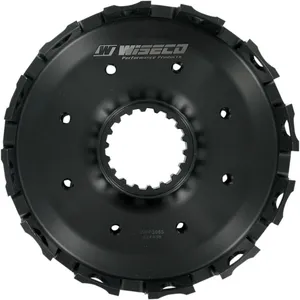
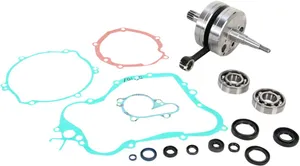
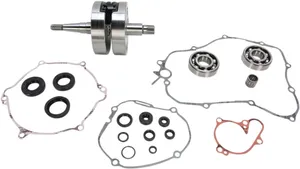
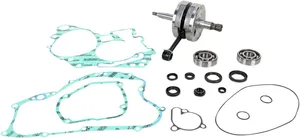
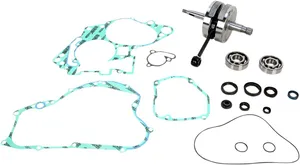
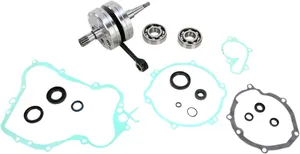
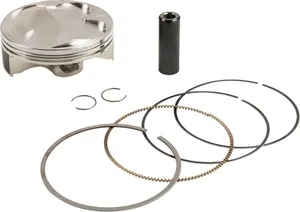
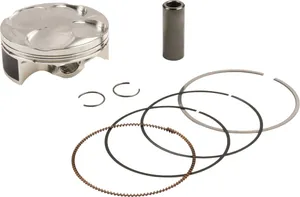
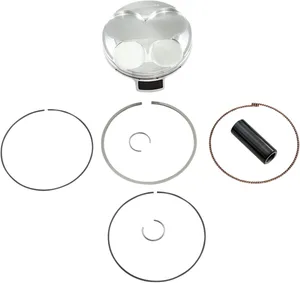
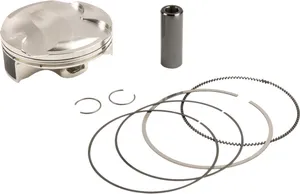
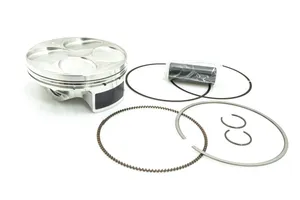
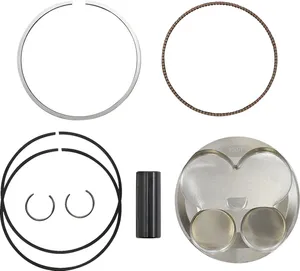
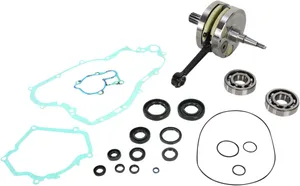
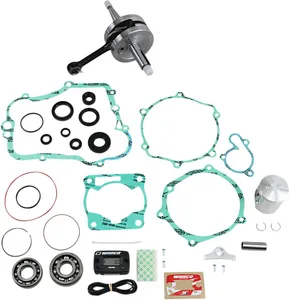
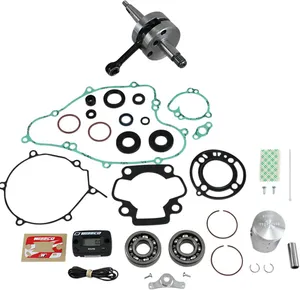
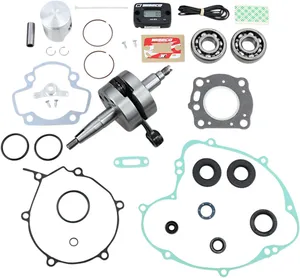
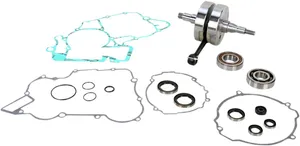
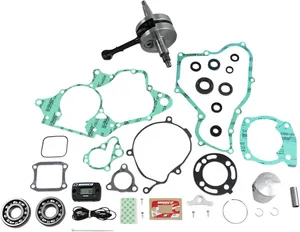
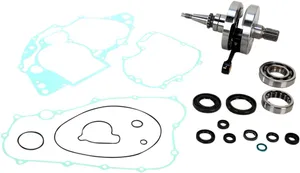
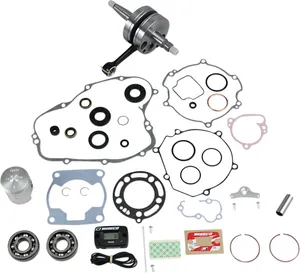
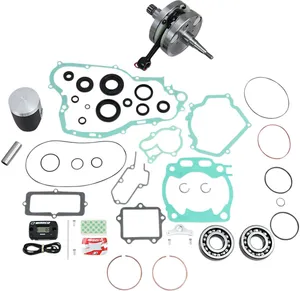
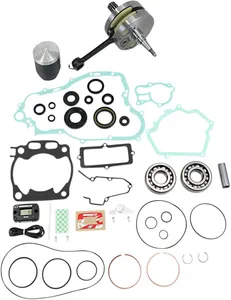
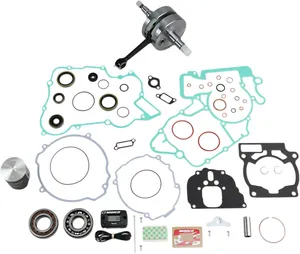
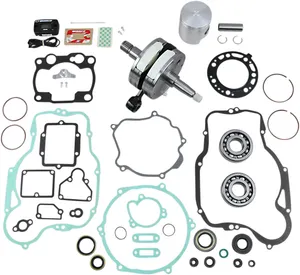
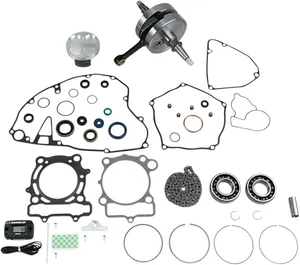
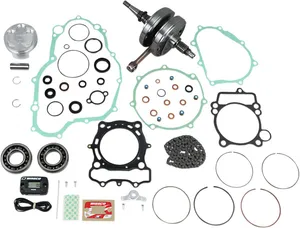
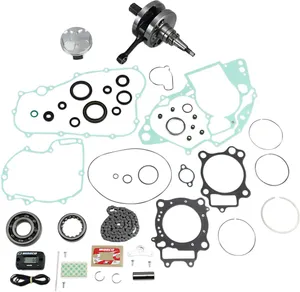
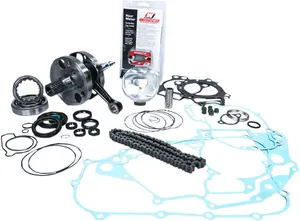
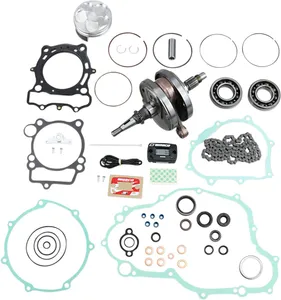
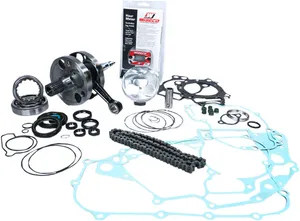
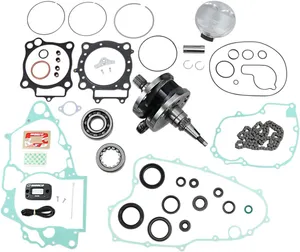
Browse individual piston components and rebuild kits, with bottom-end and valve-train parts also listed. Each product identifies its contents and application.
231 parts · updated daily





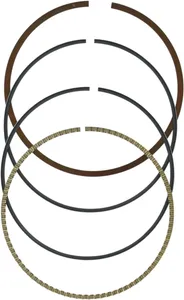
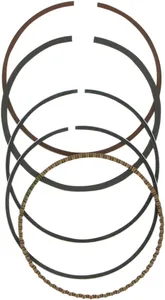
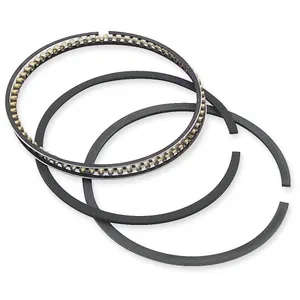
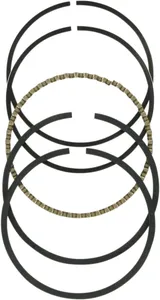
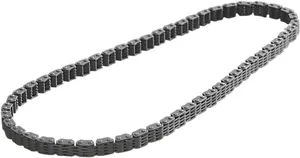
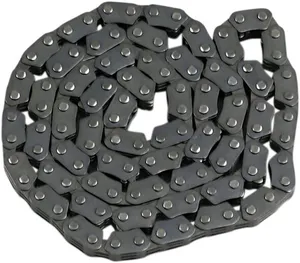
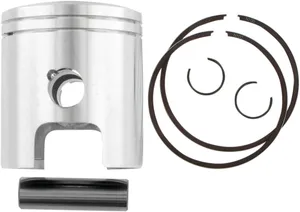
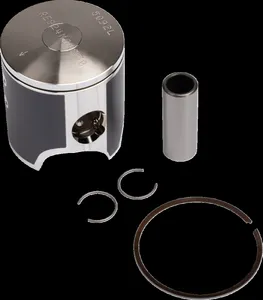
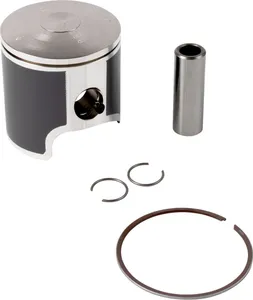
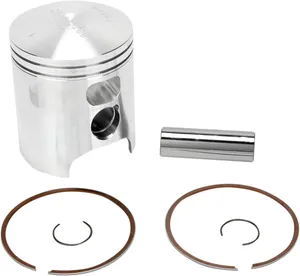
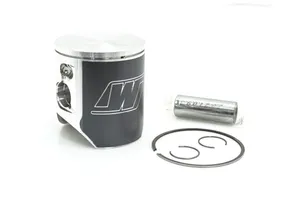
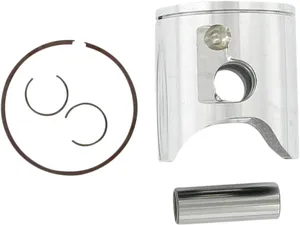
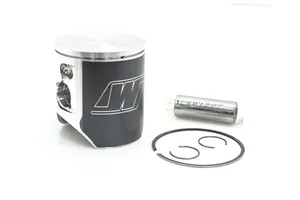
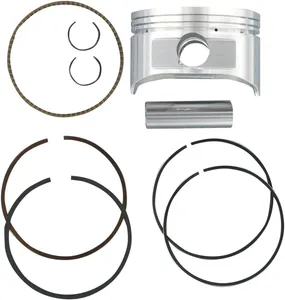
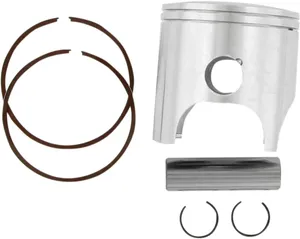
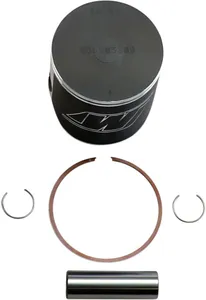
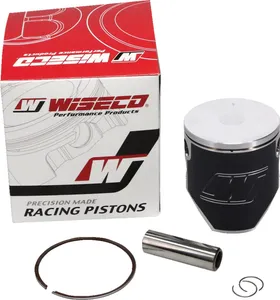
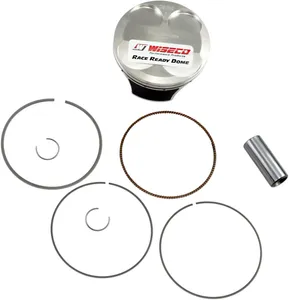
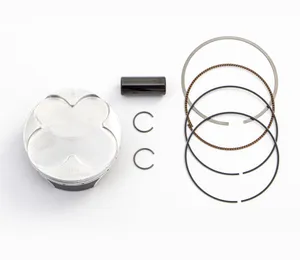
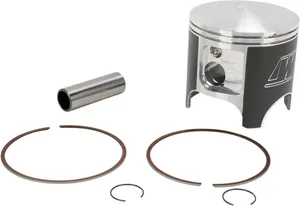
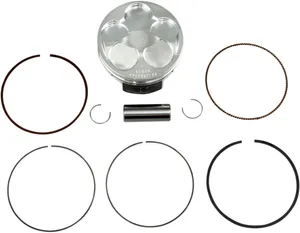
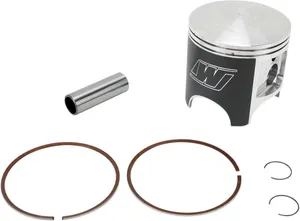
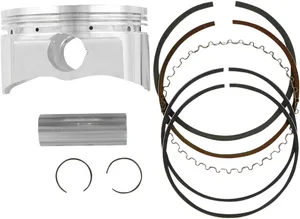
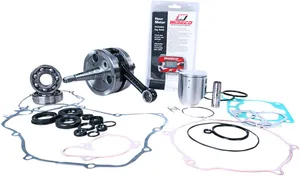
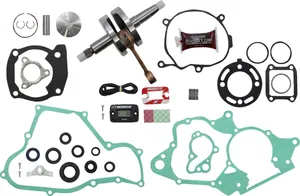
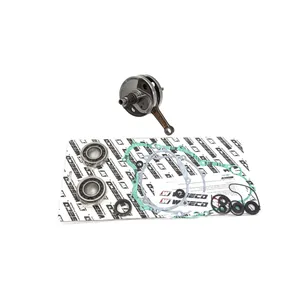
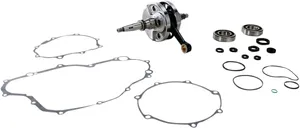
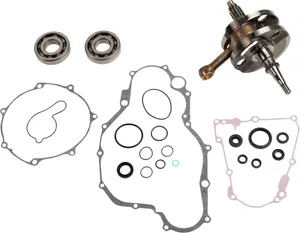
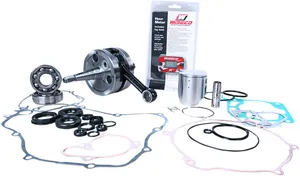
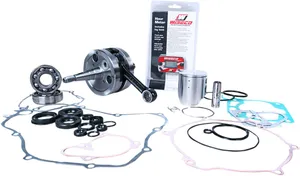
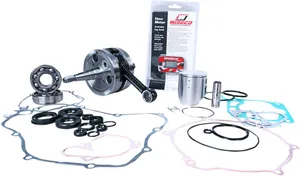
WISECO — frequently asked questions
Common questions, straight answers. No fluff.
- Check the bore first. Run a fingernail across the plating, look for scoring, and measure taper and ovality with a bore gauge against the service-manual limit. A worn or scored cylinder will chew through new rings inside a handful of hours, drop compression, and dump unburnt fuel past the skirt. If the plating is glazed but within spec, a light hone to restore crosshatch is enough. Anything past the wear limit goes out for a replate at the correct oversize, and the piston gets ordered to match the finished bore, not the other way round.
- Forged. The grain structure handles detonation, over-rev and heat soak that would crack a cast crown, which is why every factory engine on a startline runs one. Cast pistons sit tighter in the bore cold and weigh a fraction less, but the safety margin under sustained load is thinner. Run the piston-to-wall clearance printed on the spec card, warm the engine properly before loading it, and the extra cold clearance you can hear at idle for the first thirty seconds is the price of an engine that survives a full season.
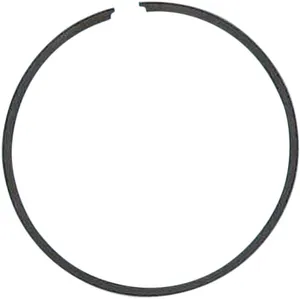
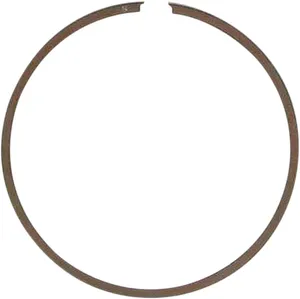
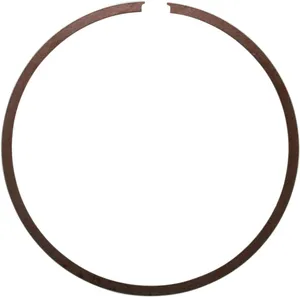
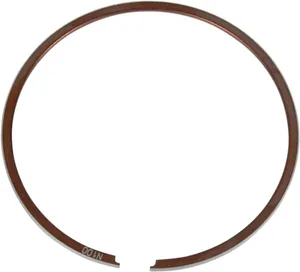
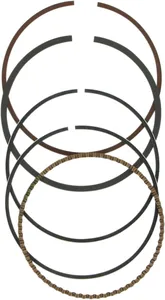
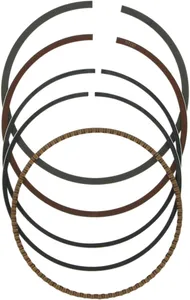
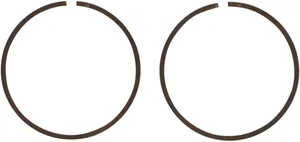
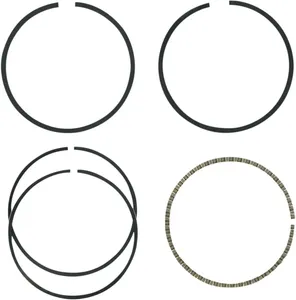
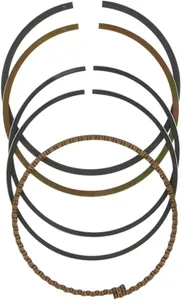
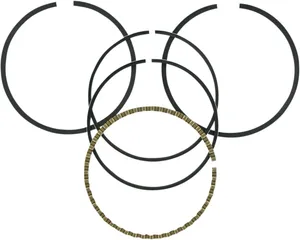
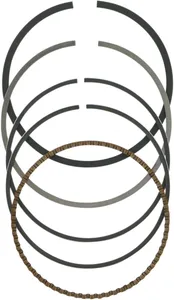
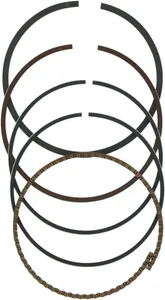
- Yes. Square the ring in the bore with the piston crown, measure with a feeler gauge, and compare to the workshop manual. Tight gaps butt at temperature and seize.
- Only if you order to the finished bore size, not the original displacement. Measure the cylinder at top, middle and bottom with a bore gauge, read any oversize stamp on the old crown, and match the new piston to that figure with the correct clearance. Standard part numbers assume an unmolested OEM bore. A 250 that has been out to first oversize needs the first-oversize piston and rings, and a second replate will need the next size up again. Get this wrong and the kit either will not drop in or rattles straight out of the crate.
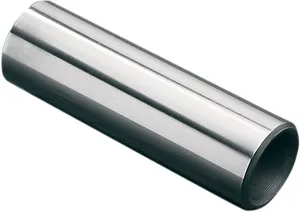
- Year, model and exact variant first, because wrist-pin diameter and ring-groove height shift between production runs on the same nameplate. Read the crown of the old piston for an oversize stamp, then measure the bore in three places with a micrometer to confirm it. Order the head and base gaskets to match the cylinder spec so squish and compression stay where the engine was designed to run. A ten-minute measure on the bench saves a week waiting on the right part to arrive mid-build.
- Both. The forged crown that survives a holeshot start also shrugs off long enduro days, slow technical climbs and the heat soak that comes with them. Hours between rebuilds usually climb compared to OEM. Service intervals do not change. Run the recommended fuel octane, mix two-stroke oil to spec, keep the air filter clean, and the top-end will see out its design life whichever way the bike gets ridden.