§ 02 / Brand
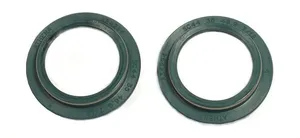
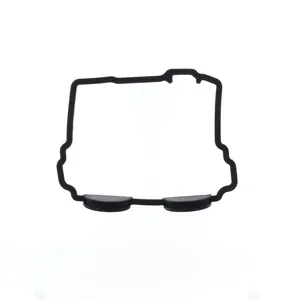
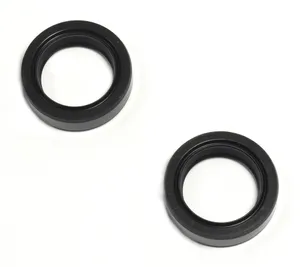
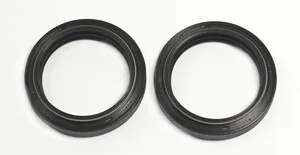
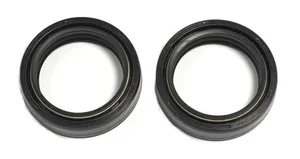
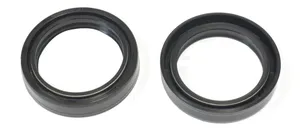
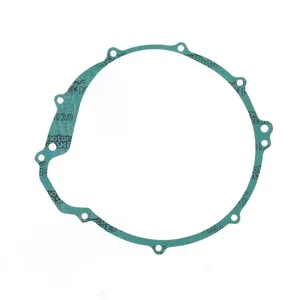
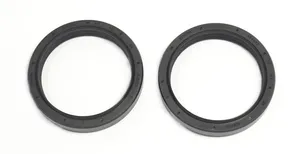
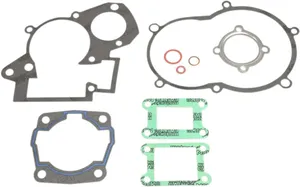
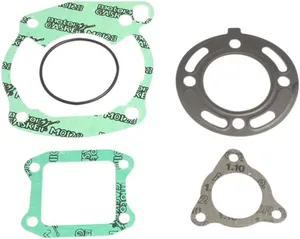
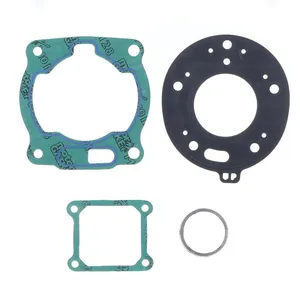
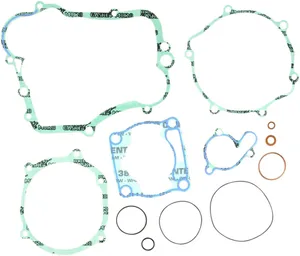
Athena Gaskets, Seals & Engine Parts
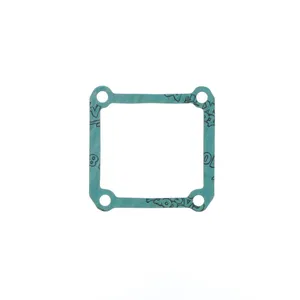
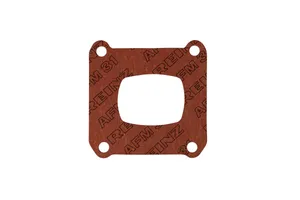
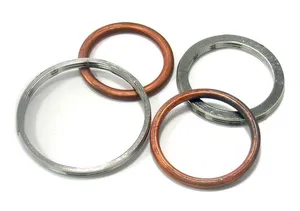
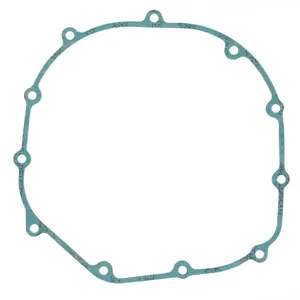
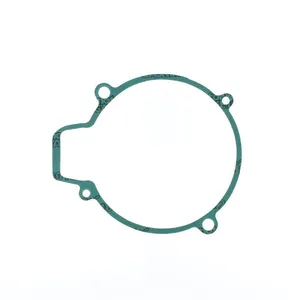
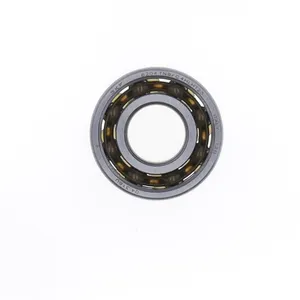
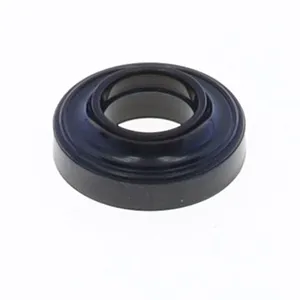
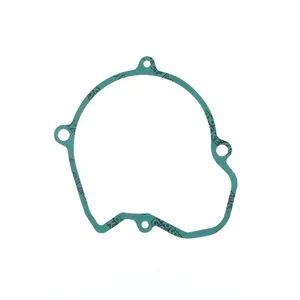
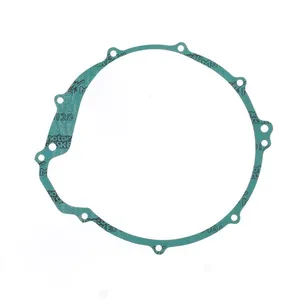
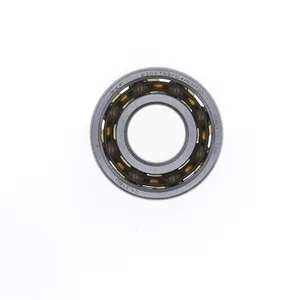
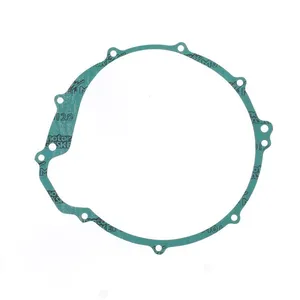
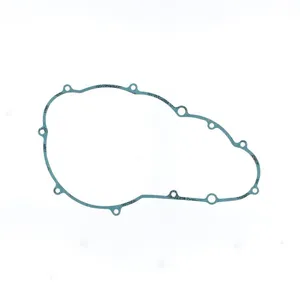
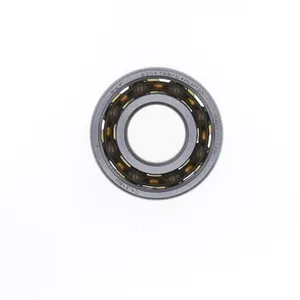
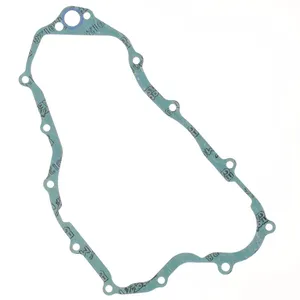
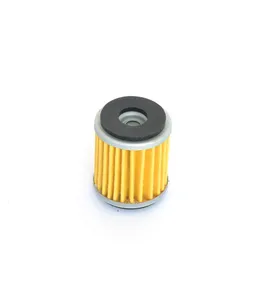
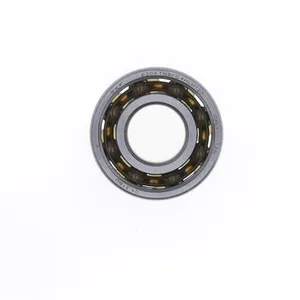
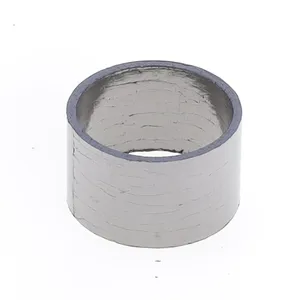
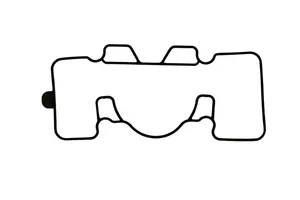
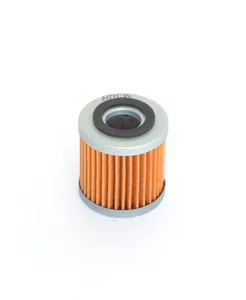
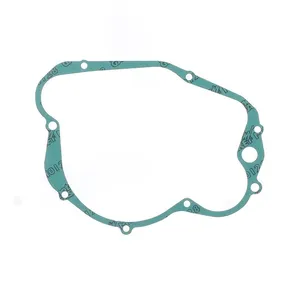
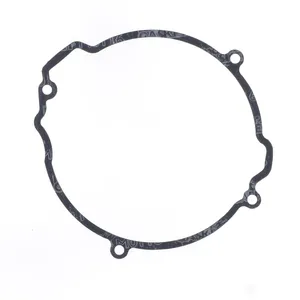
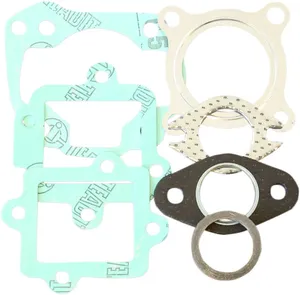
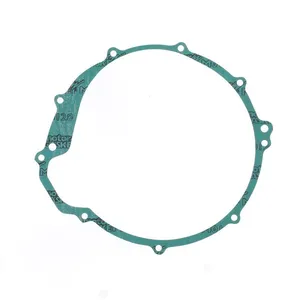
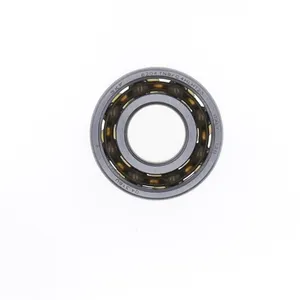
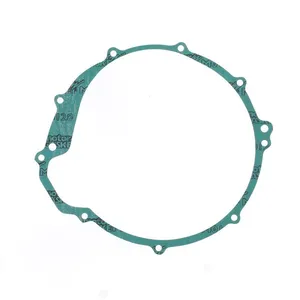
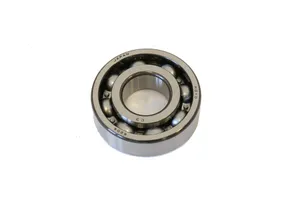
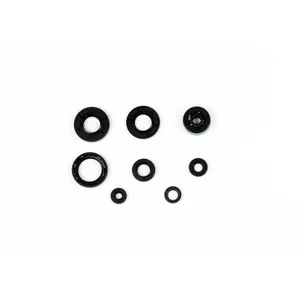
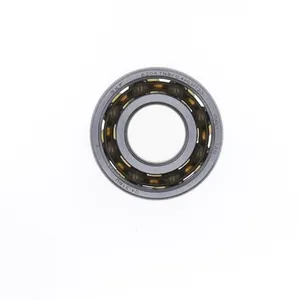
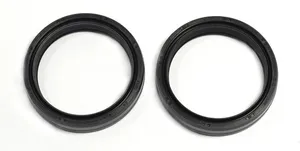
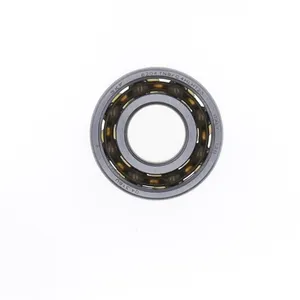
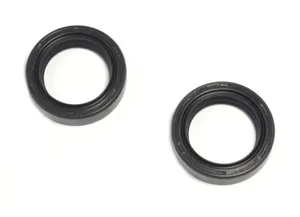
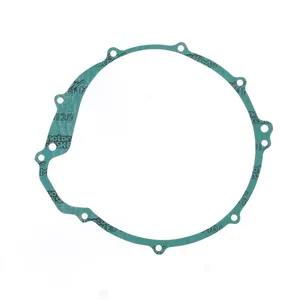
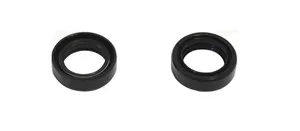
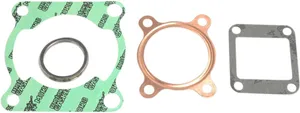
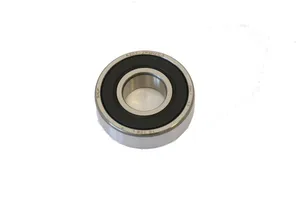
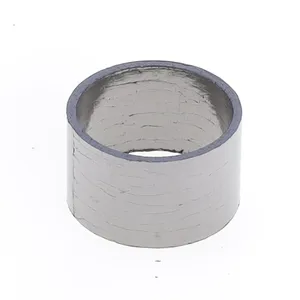
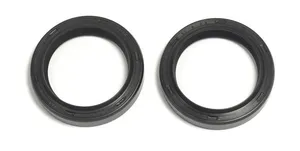
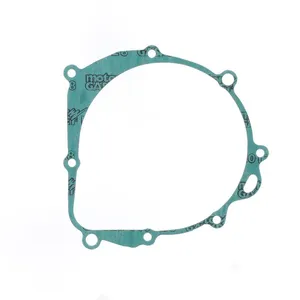
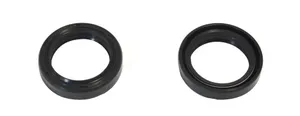
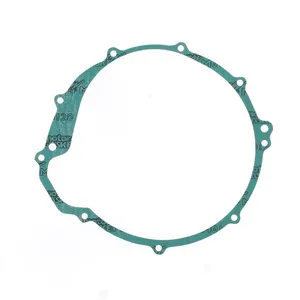
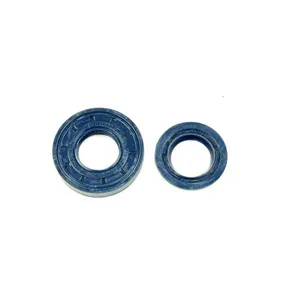
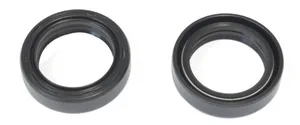
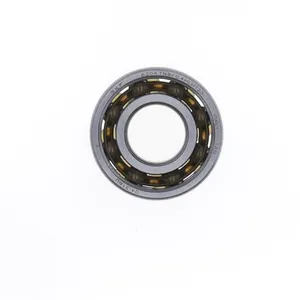
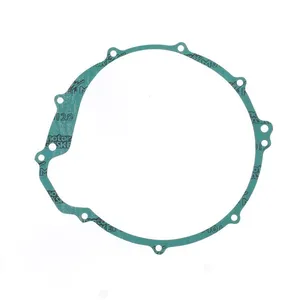
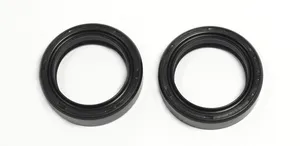
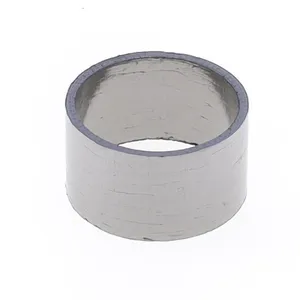
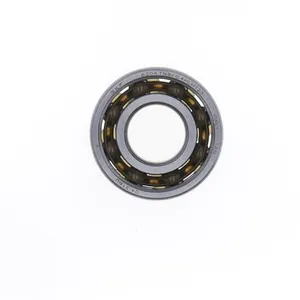
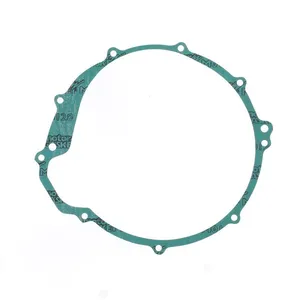
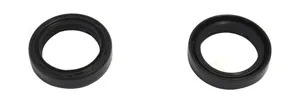
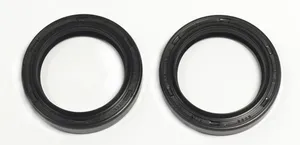
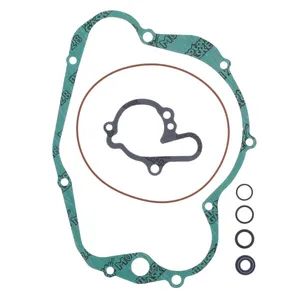
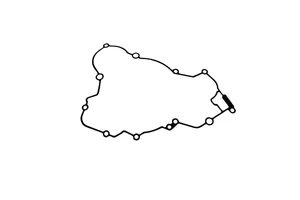
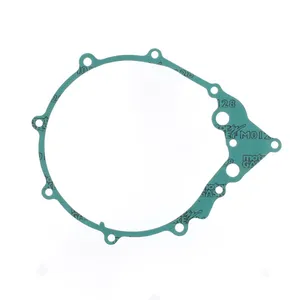
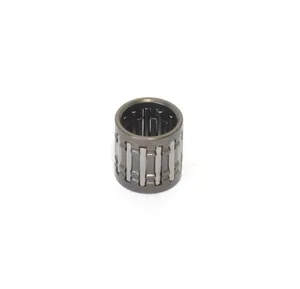
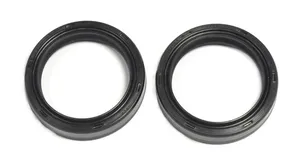
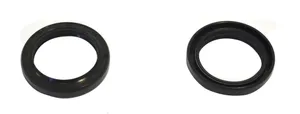
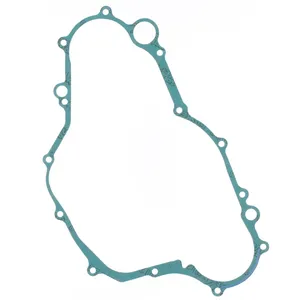
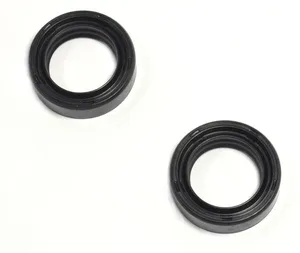
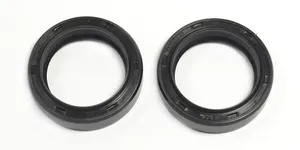
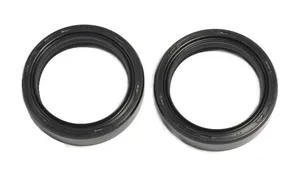
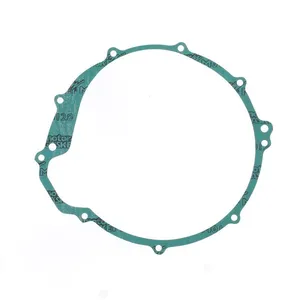
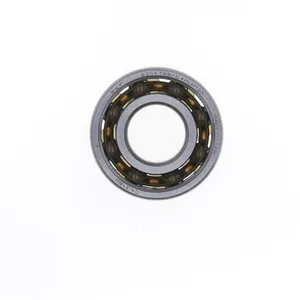
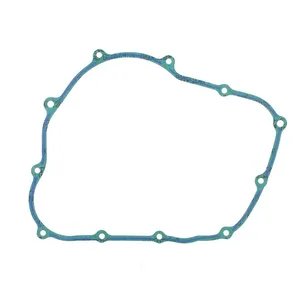
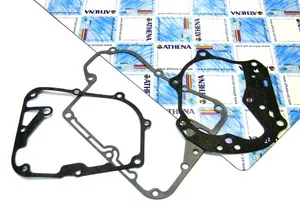
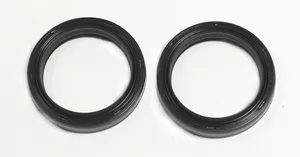
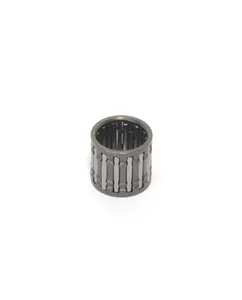
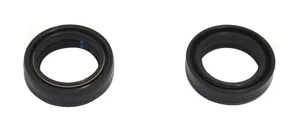
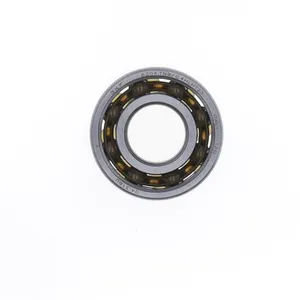
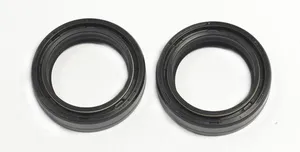
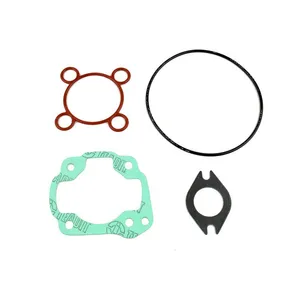
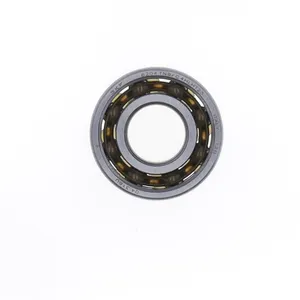
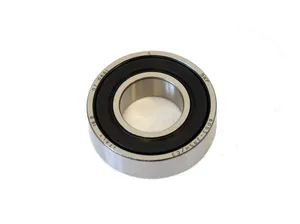
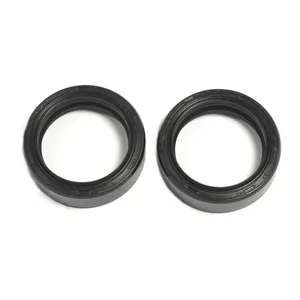
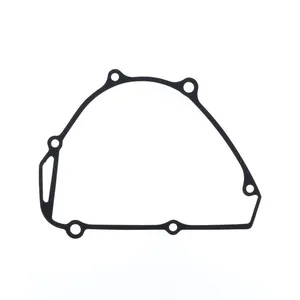
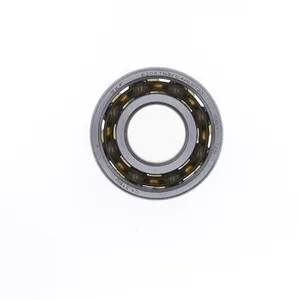
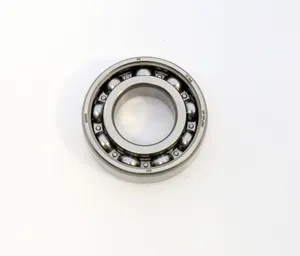
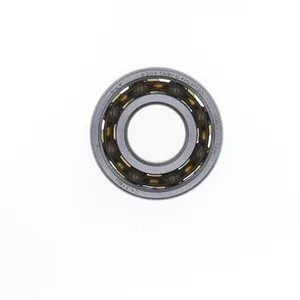
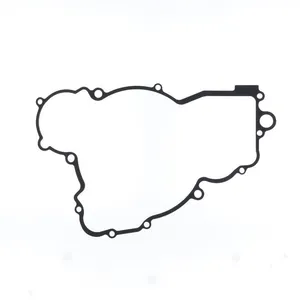
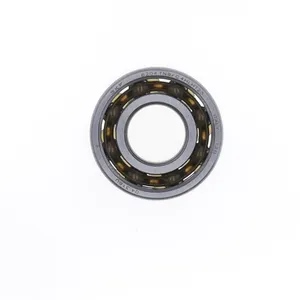
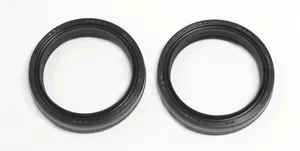
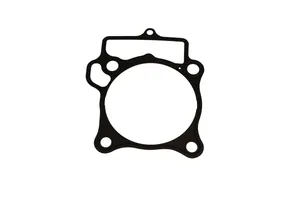
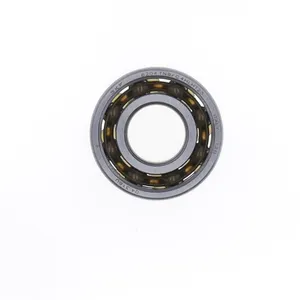
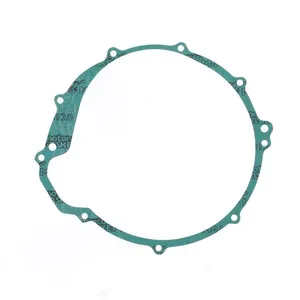
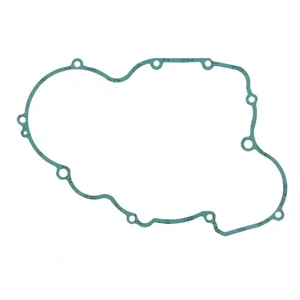
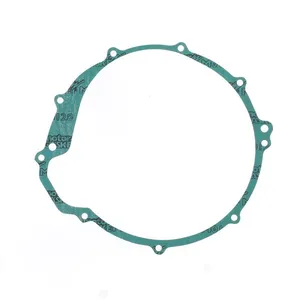
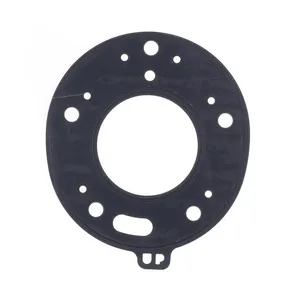
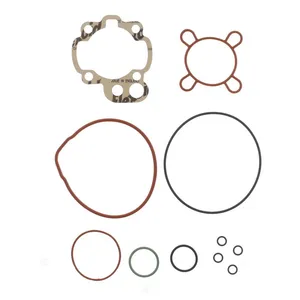
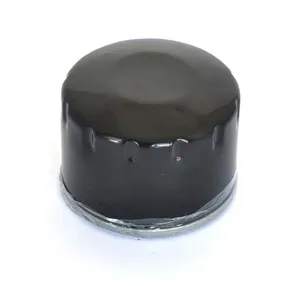
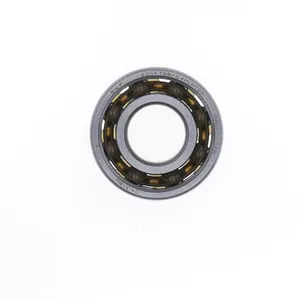
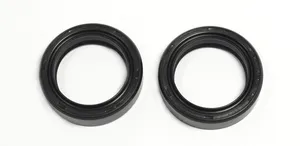
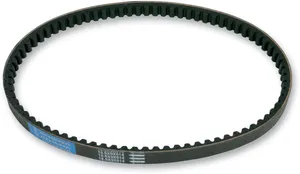
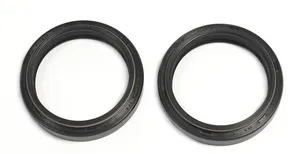
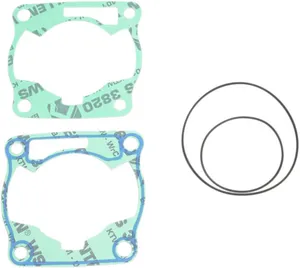
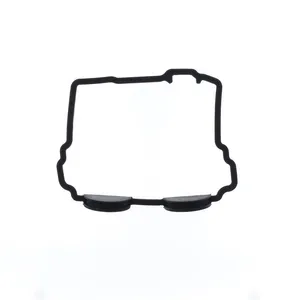
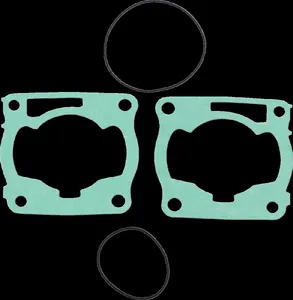
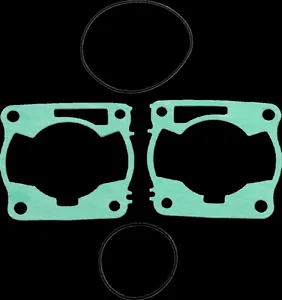
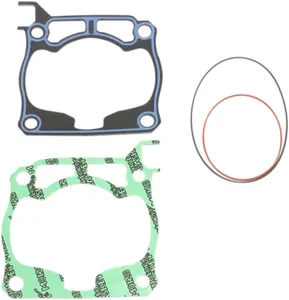
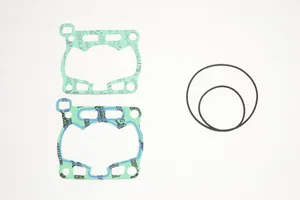
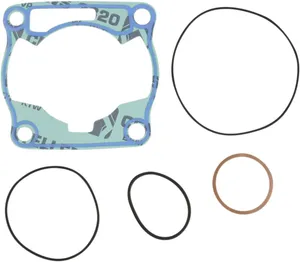
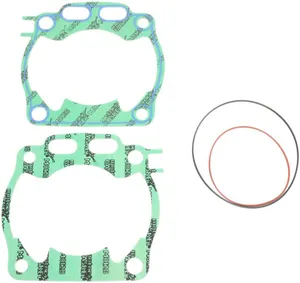
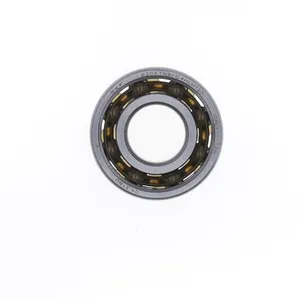
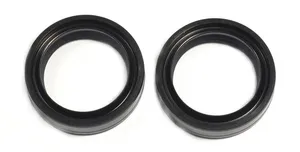
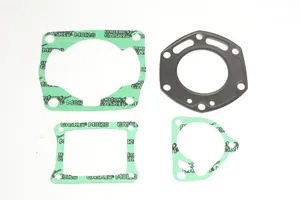
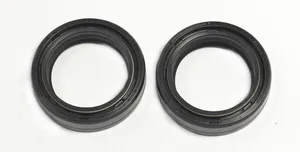
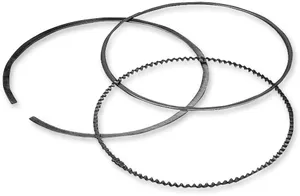
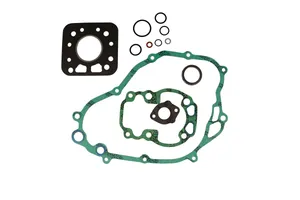
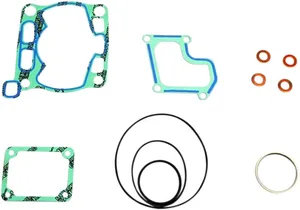
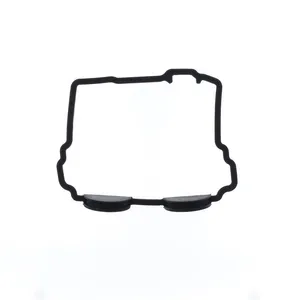
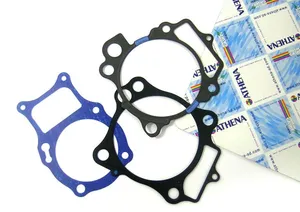
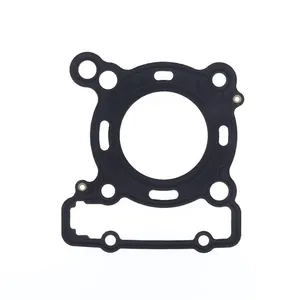
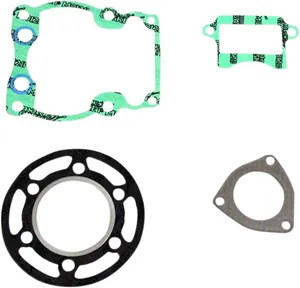
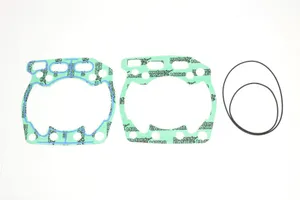
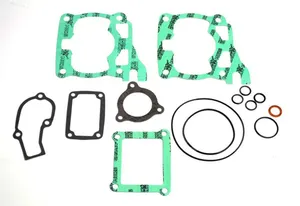
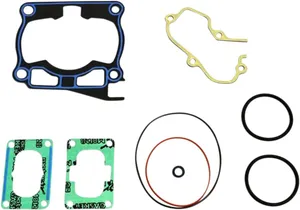
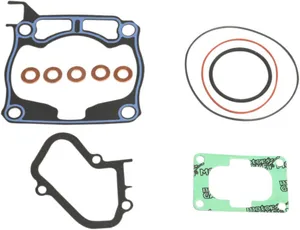
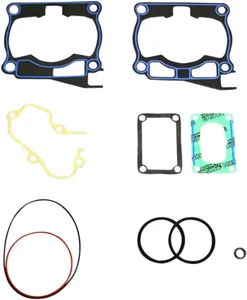
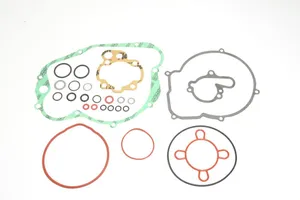
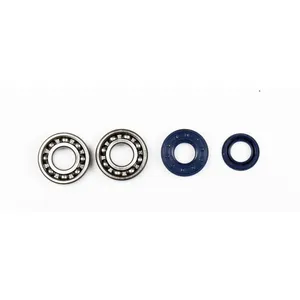
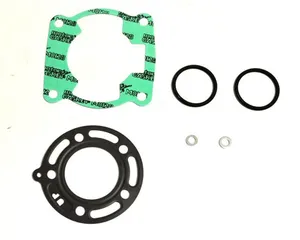
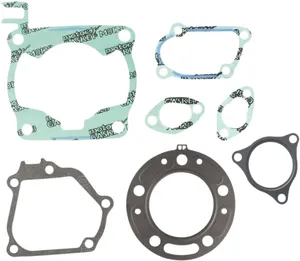
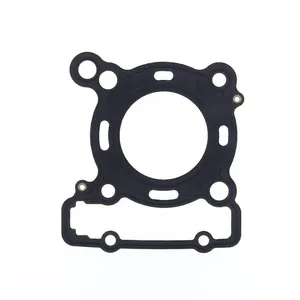
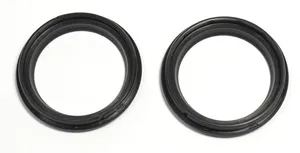
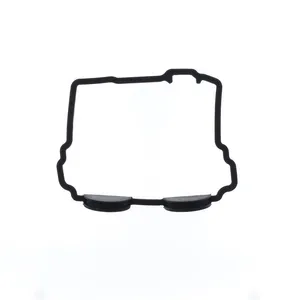
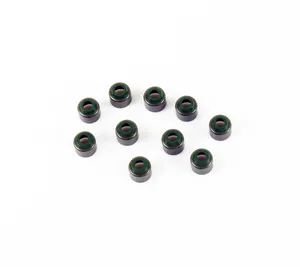
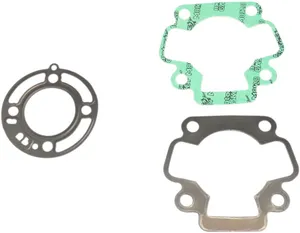
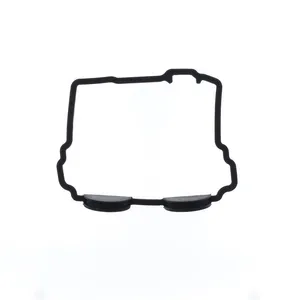
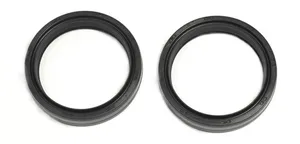
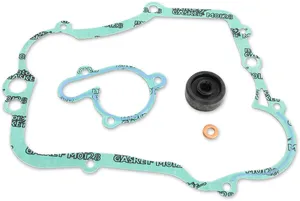
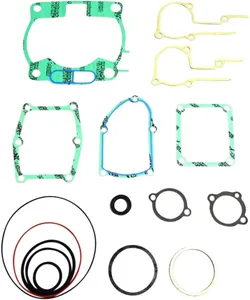
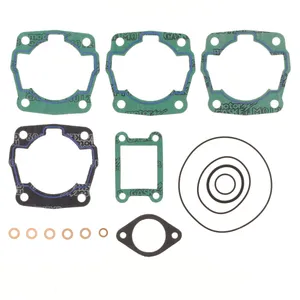
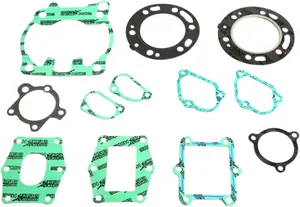
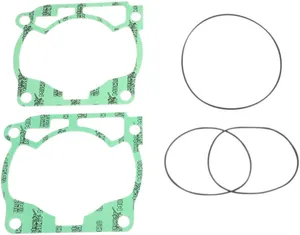
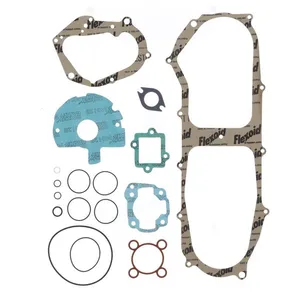
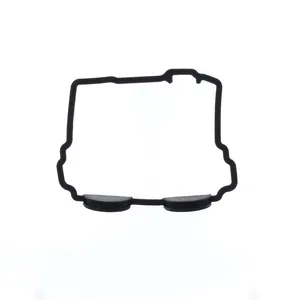
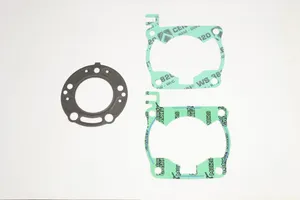
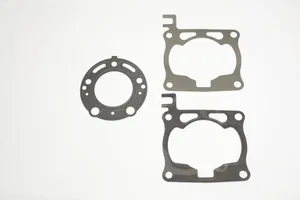
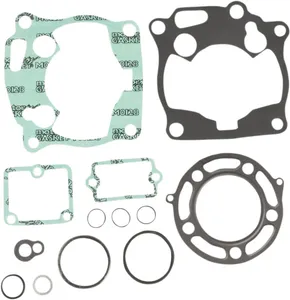
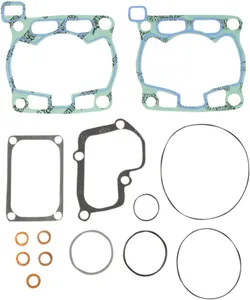
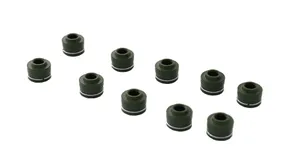
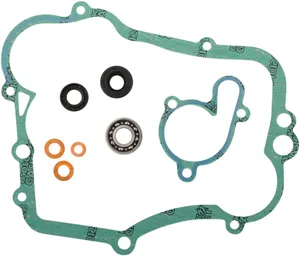
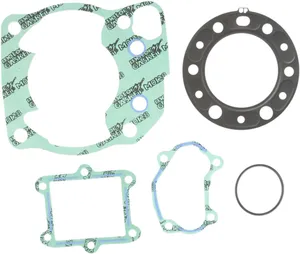
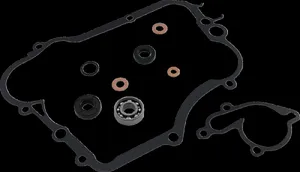
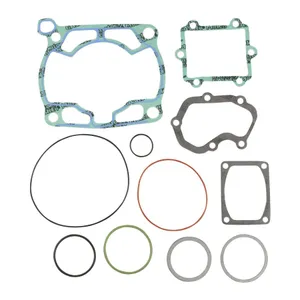
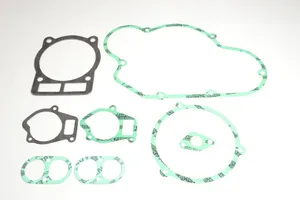
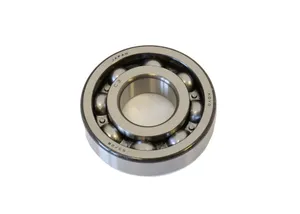
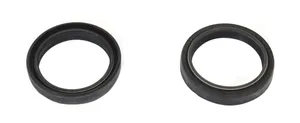
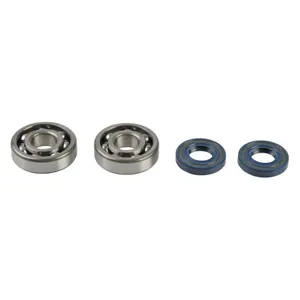
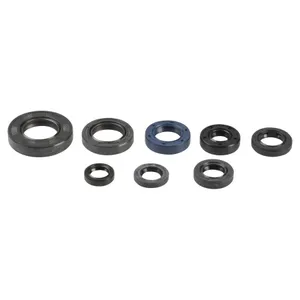
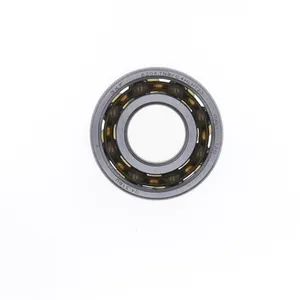
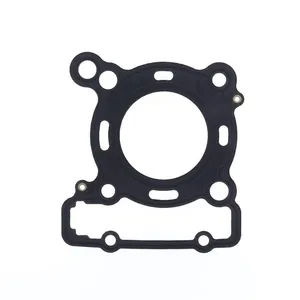
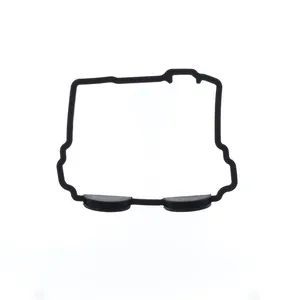
Gaskets and seals form the largest part of the Athena range. Pistons, cylinders, bearings and other rebuild components are also listed by bike application.
719 parts · updated daily
// Parts
Showing 240 of 719










ATHENA — frequently asked questions
Common questions, straight answers. No fluff.
- Yes. The base and head gaskets run the right thickness and crush rate to hold compression on a freshened bore. Fit them to a flat deck with clean threads and a torque wrench in the correct sequence and they seal first heat cycle, no weep.
- Squish first. Lead-wire it at 0.6 to 0.8mm on a two-stroke, factory spec on a four. Then ring end gap, deck height, and that the water jackets and dowel holes are clear. Surface plate the cases if the old gasket left witness marks. Skip any of that and the new kit fails as fast as the one you pulled off.
- Athena big-bore and replacement cylinder kits ship with the barrel, matched piston, rings, pin, circlips and a full top-end gasket set. Forged piston on the race kits, cast on the standard-bore replacements. Lube the bore and skirt with assembly oil before the piston goes in.
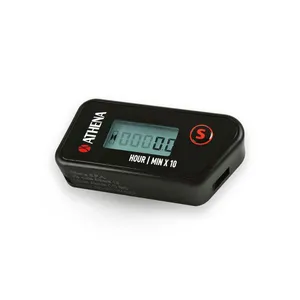
- Sensible if the bottom end is fresh and the radiator and fan are up to it. Athena big-bore kits add capacity without thinning the sleeve below safe wall thickness. The crank and rod see more load, so service the bottom end on the published hour count, not when it starts knocking. Rejet a carb or remap an EFI bike for the extra displacement before the first session.
- Match year, model and engine code. Mid-cycle updates move oil galleries and bolt patterns and the wrong year fits but leaks.
- Not on a stretch-to-yield bike. Once a TTY bolt has been torqued through its yield it will not clamp evenly a second time, and uneven clamp is how head gaskets fail on high-comp four-strokes. Standard bolts can be reused if they pass a thread and stretch check.