§ 02 / Brand
Moto-Master Brakes, Sprockets & Chains
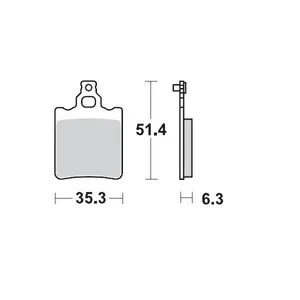
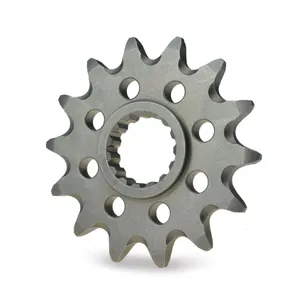
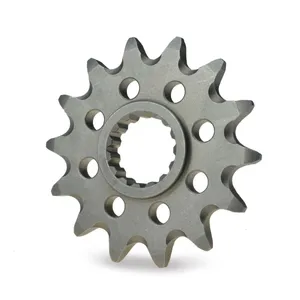
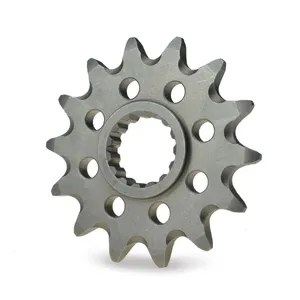
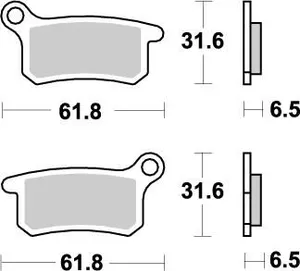
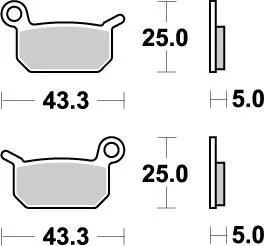
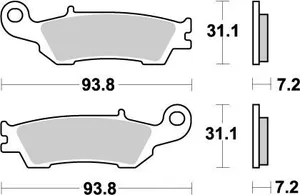
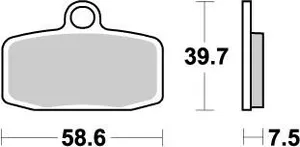
Brake and drivetrain parts, from individual pads and sprockets to brake-conversion kits. Listings identify the component and application.
1,326 parts · updated daily
// Parts
Showing 240 of 1326
MOTO-MASTER — frequently asked questions
Common questions, straight answers. No fluff.
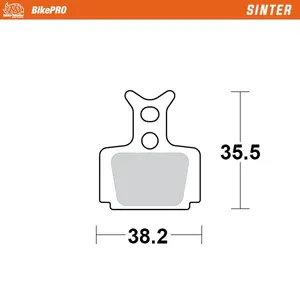
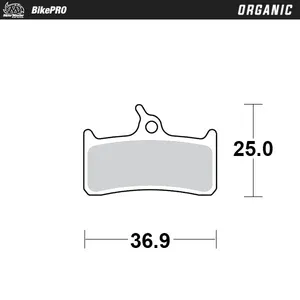
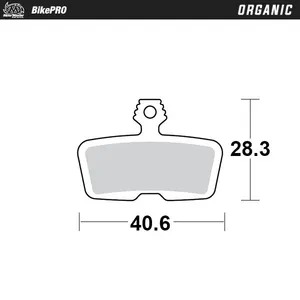
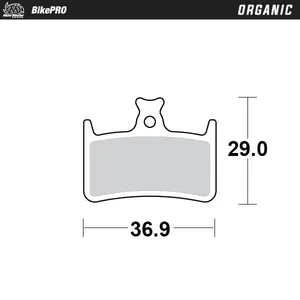
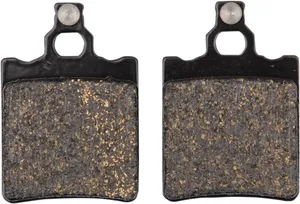
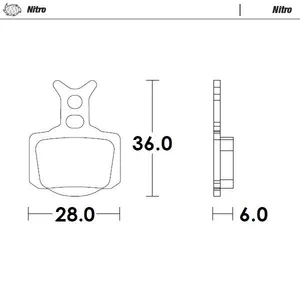
- Sintered. Wet grit eats organic compound inside a season and the bite drops off the moment the rotor glazes. Sintered pads hold their friction coefficient through standing water and clay slop, and they survive the pressure-wash cycle that kills softer compounds. Organics have a place on a dry summer practice bike where a rider wants more lever modulation, but for year-round UK riding the longevity gap is too wide to ignore. Bed them properly and they will outlast two sets of organic on the same rotor.
- Heat. A floating rotor lets the outer braking ring expand against the carrier buttons instead of warping the whole disc. On a long enduro descent or the back half of a moto the temperature climbs fast, and a fixed rotor will cone, drag, and push pad knock-back into the lever. The floating design holds the friction surface square to the pads through that heat cycle. Lever feel stays consistent from lap one to lap twenty, which matters more on a tight test than any peak-power claim.
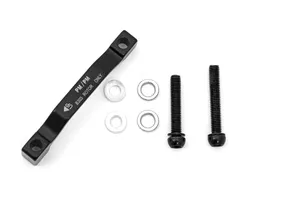
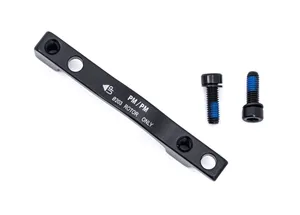
- Yes. The kit ships with a CNC-machined caliper bracket that moves the caliper outward to clear the larger diameter. Fit the bracket, then the rotor, then bed the pads.
- Run six to eight firm stops from around 50 km/h down to walking pace, then ride on without holding the lever. The aim is to transfer an even layer of pad material onto the rotor face. Do not drag the brake and do not pull to a full stop with the pad loaded, or the compound will print a hot spot into the disc. After the cycles, let everything cool to ambient before the next hard application. Skip this and the first hard stop will glaze the pads.
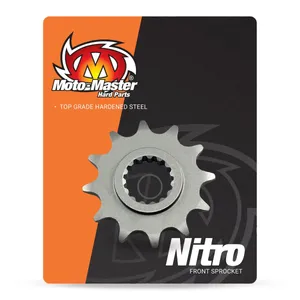
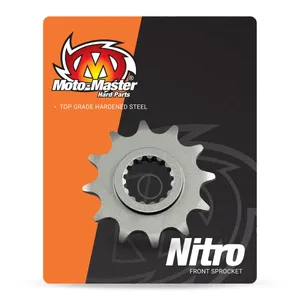
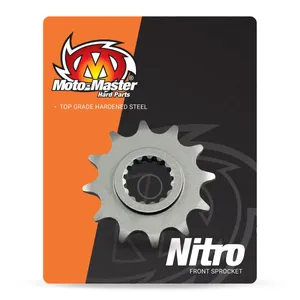
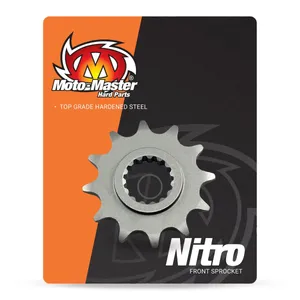
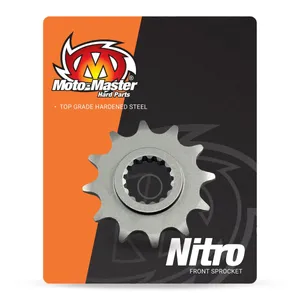
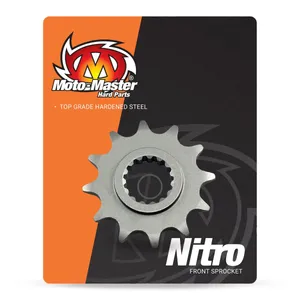
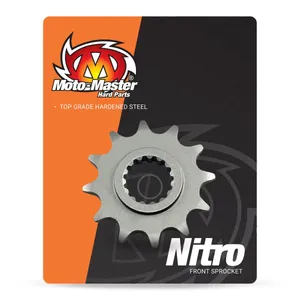
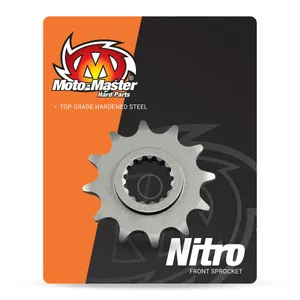
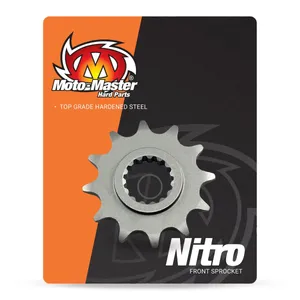
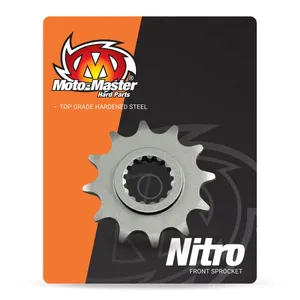
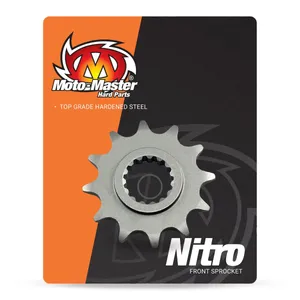
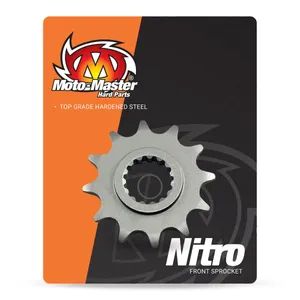
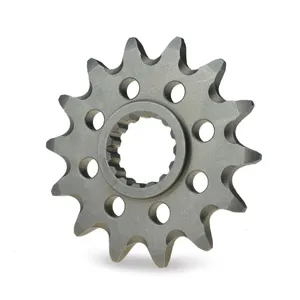
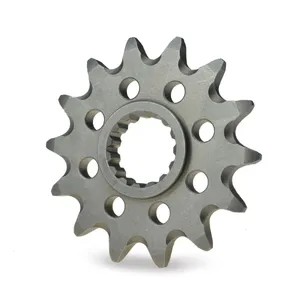
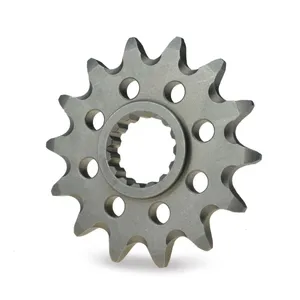
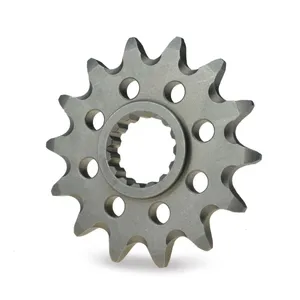
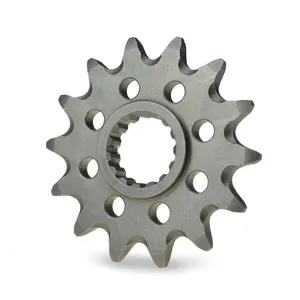
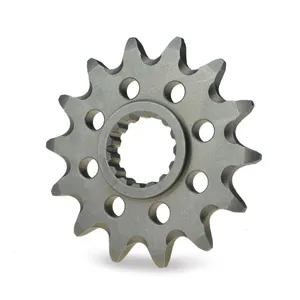
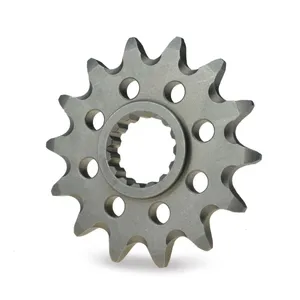
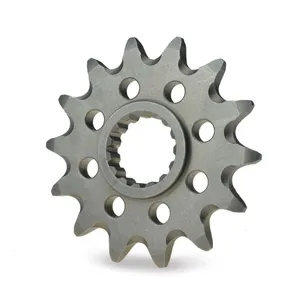
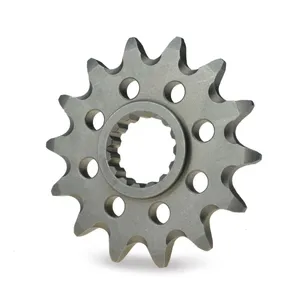
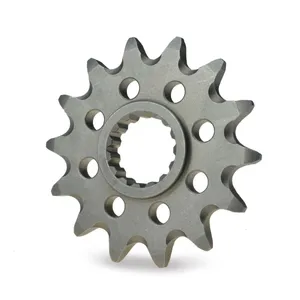
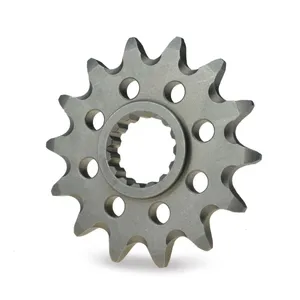
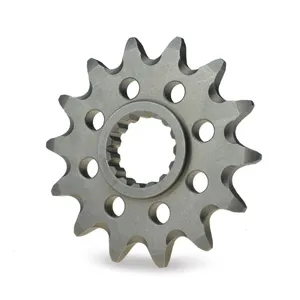
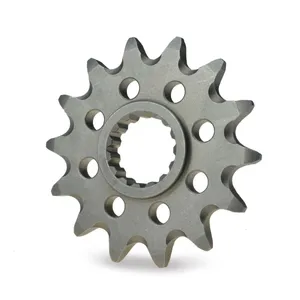
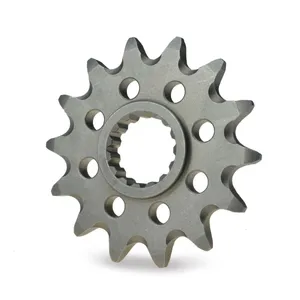
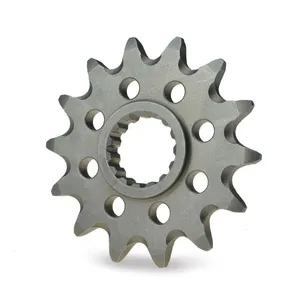
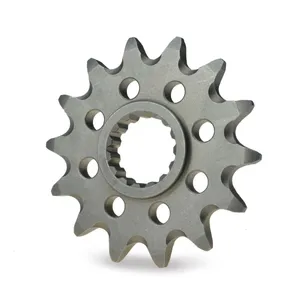
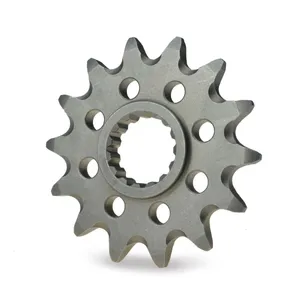
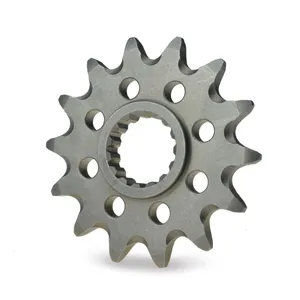
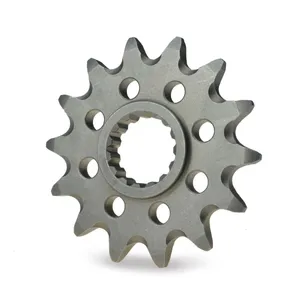
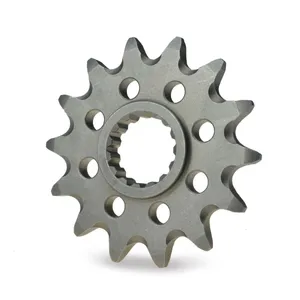
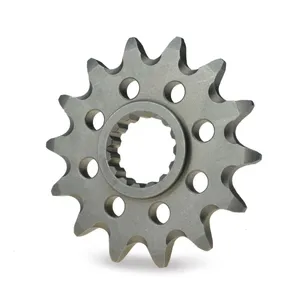
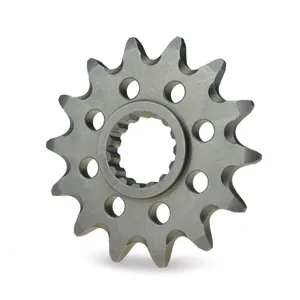
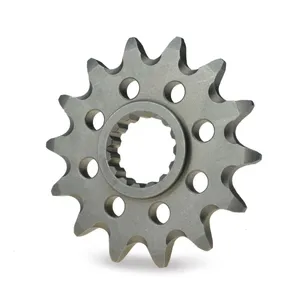
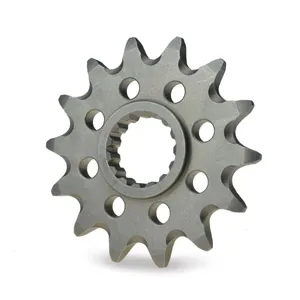
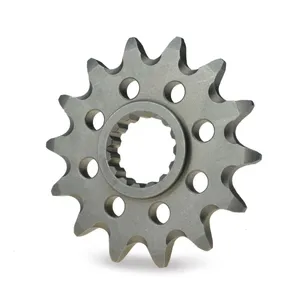
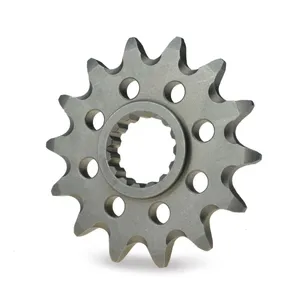
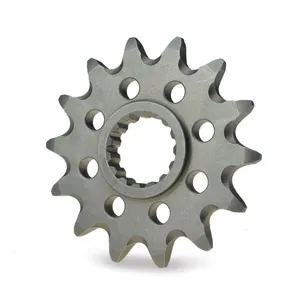
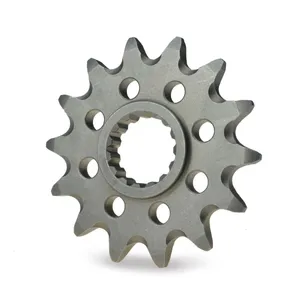
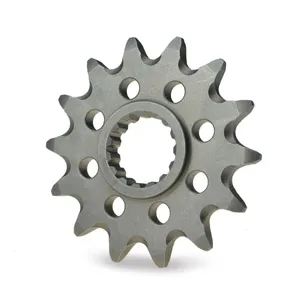
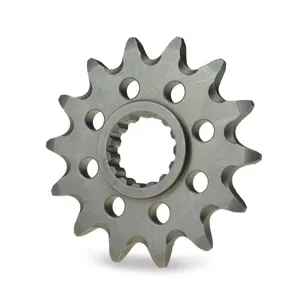
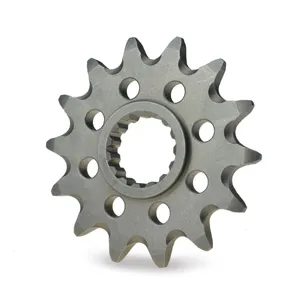
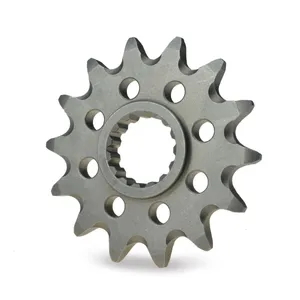
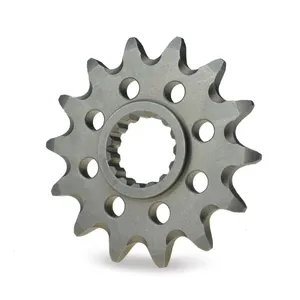
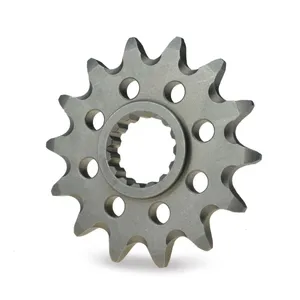
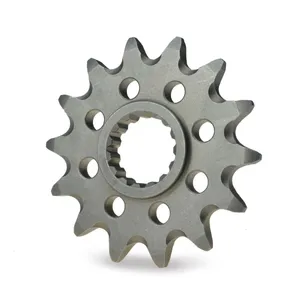
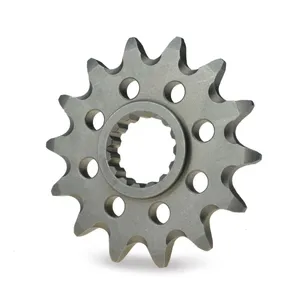
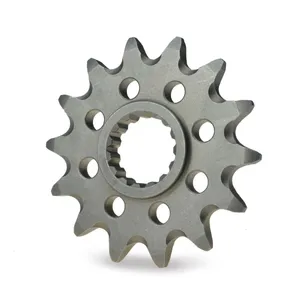
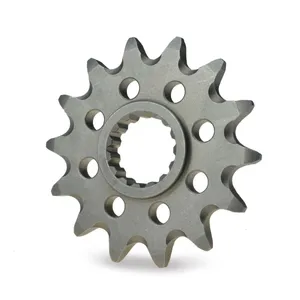
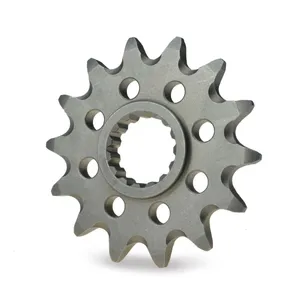
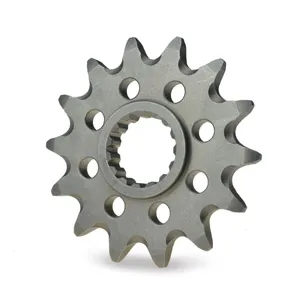
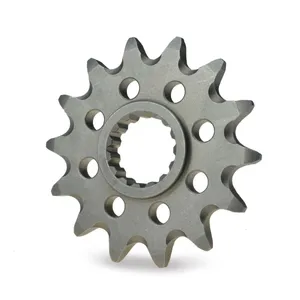
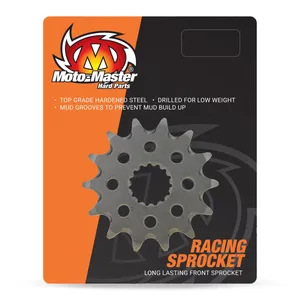
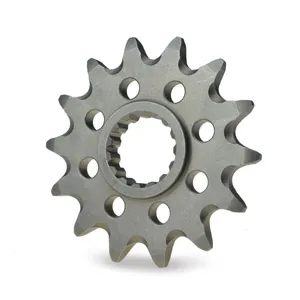
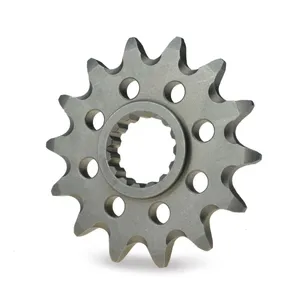
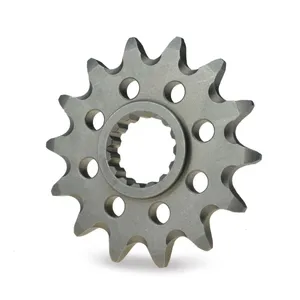
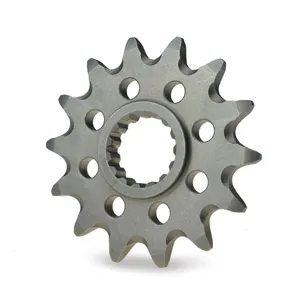
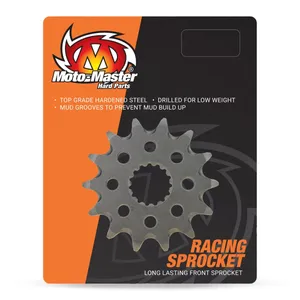
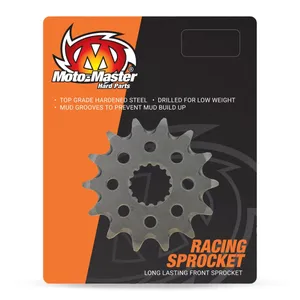
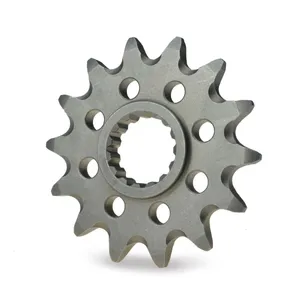
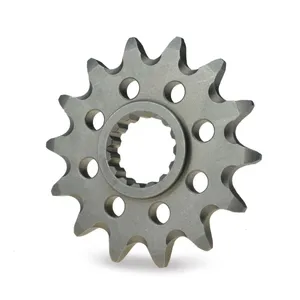
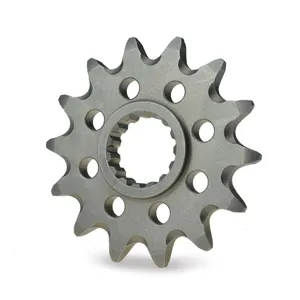
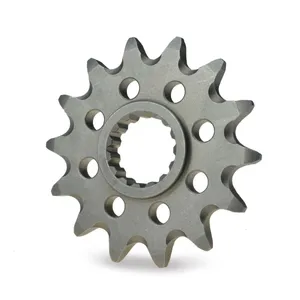
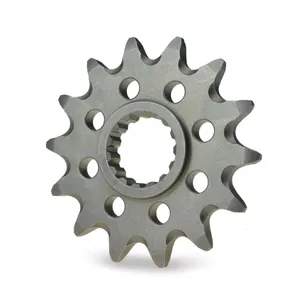
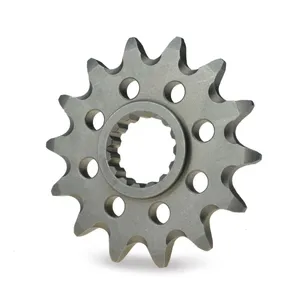
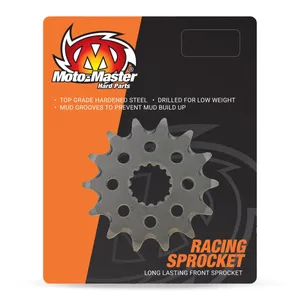
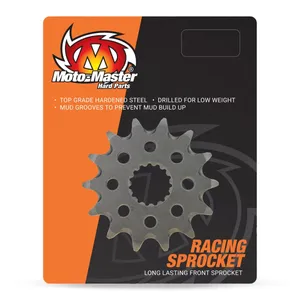
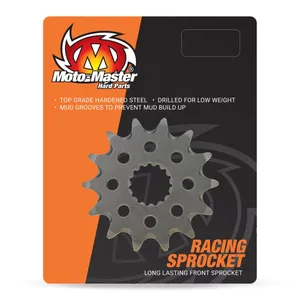
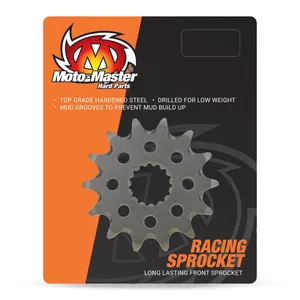
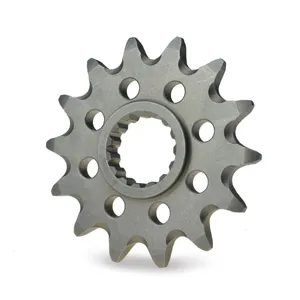
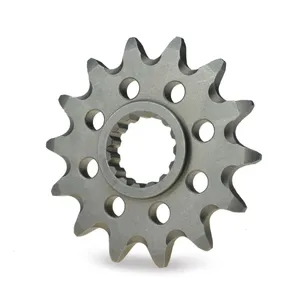
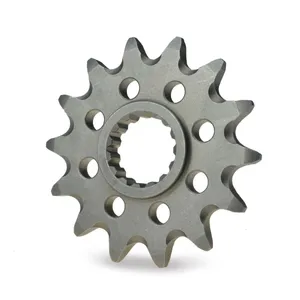
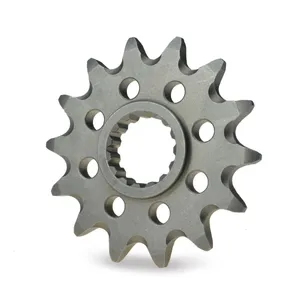
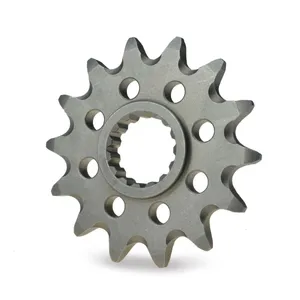
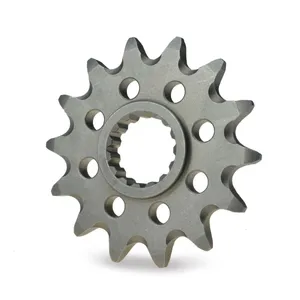
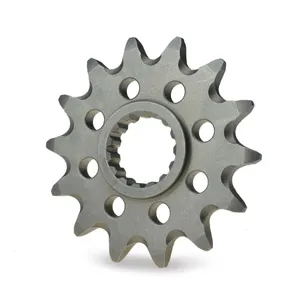
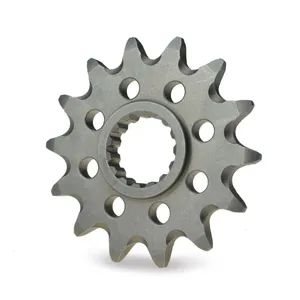
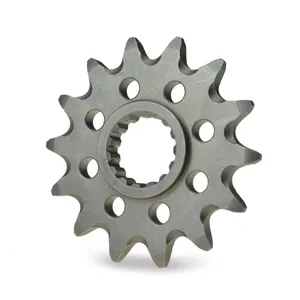
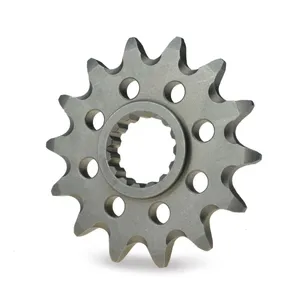
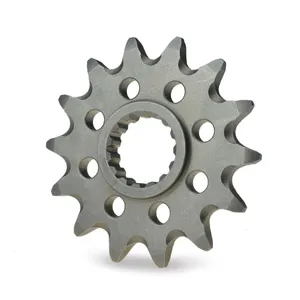
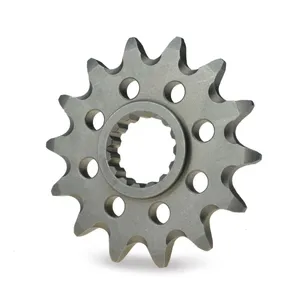
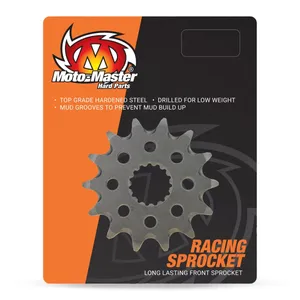
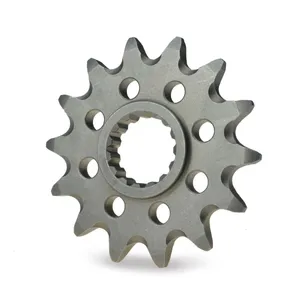
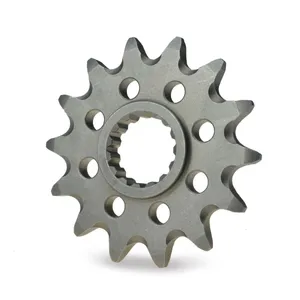
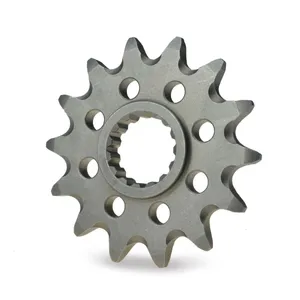
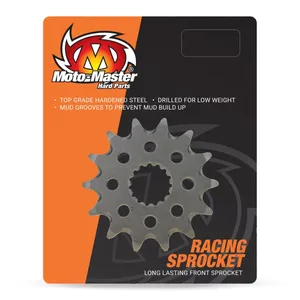
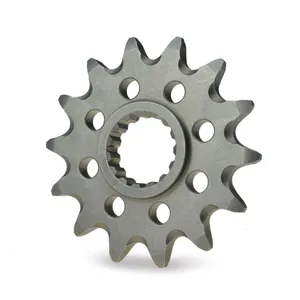
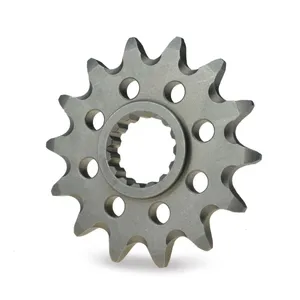
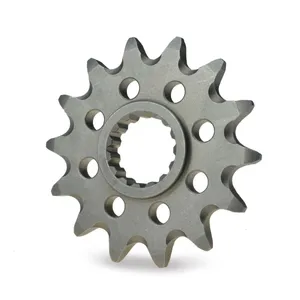
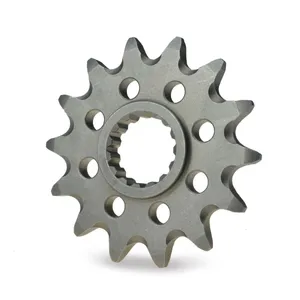
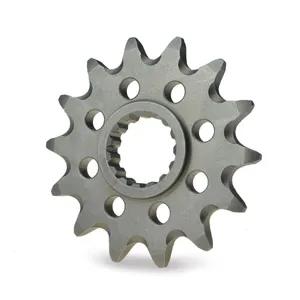
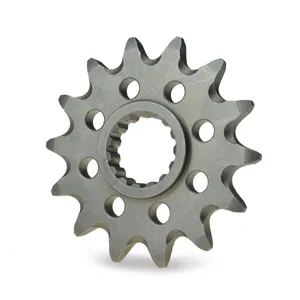
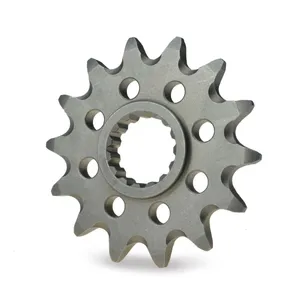
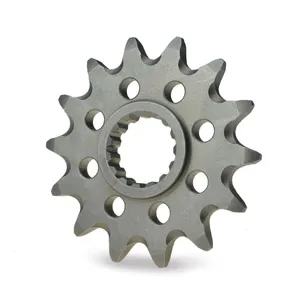
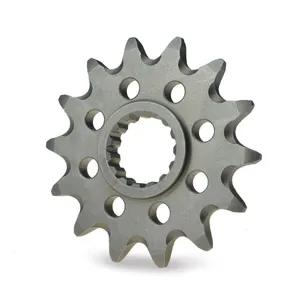
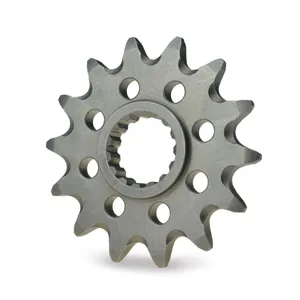
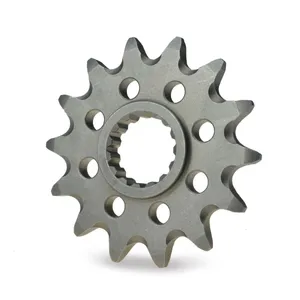
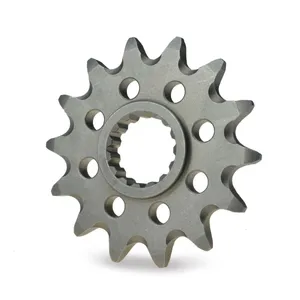
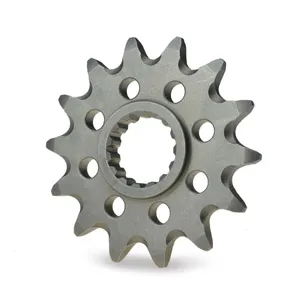
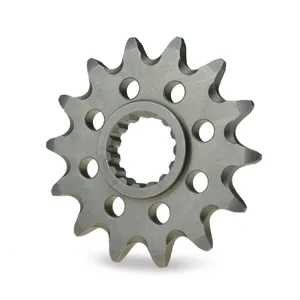
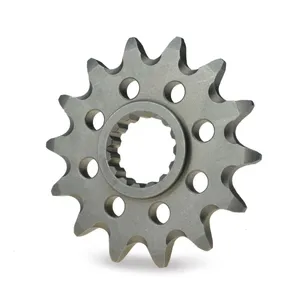
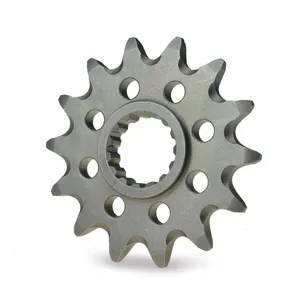
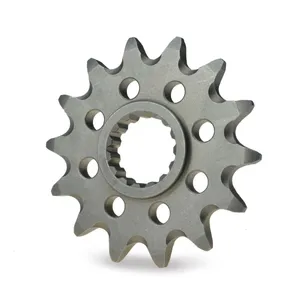
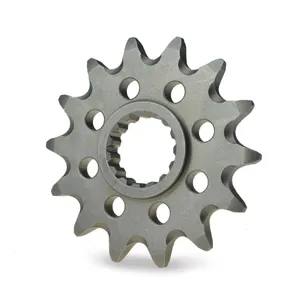
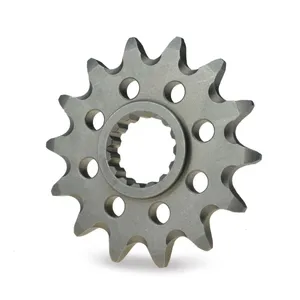
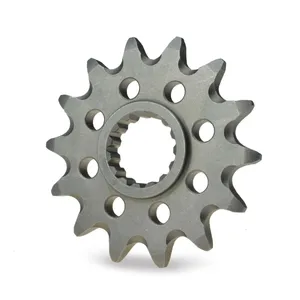
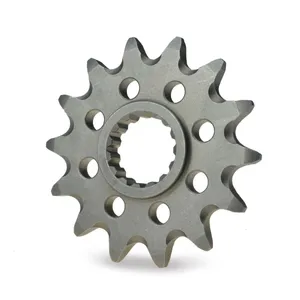
- Steel, in almost every case. Aluminium saves rotational weight and feels sharper on a fresh chain, but UK mud is abrasive and the teeth round off inside a few wet rides. A hardened steel sprocket will run through three or four aluminium equivalents on the same bike. The weight penalty is real but small, and on a practice bike, a green-laner, or a long-distance enduro rig the durability wins. Keep aluminium for race day on a dry track where the chain is fresh and the laps are counted.
- Check the minimum thickness figure stamped on the rotor edge. Once the disc wears below that number it cannot shed heat fast enough and will crack under load. Replace it.