§ 02 / Brand
Barnett Clutch Plates, Springs & Parts
Clutch plate and spring listings, with other clutch components alongside. Each product identifies its contents and bike application.
76 parts · updated daily


















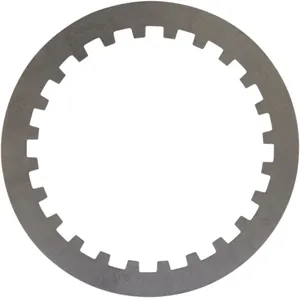





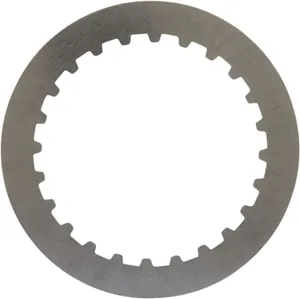




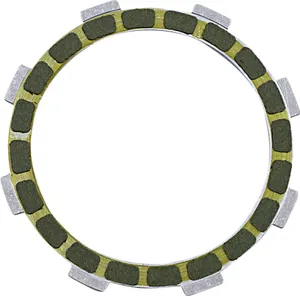
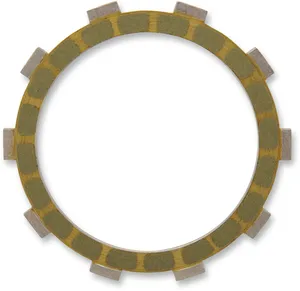
BARNETT — frequently asked questions
Common questions, straight answers. No fluff.
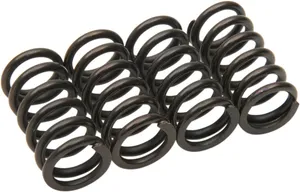
- Lever effort goes up. That is the trade for stopping slip under a hard drive out of a rutted corner. Most riders adapt inside a session. If you ride 40-minute GPs and your forearm is already marginal, fit one heavy spring with five stock rather than the full heavy set.
- Any JASO MA or MA2 wet-clutch oil, mineral or synthetic. Avoid energy-conserving car oils and anything with friction modifiers. Soak new fibres in the oil you will run for four hours before they go in the basket. Skip that step and the plates glaze on the first heat cycle.
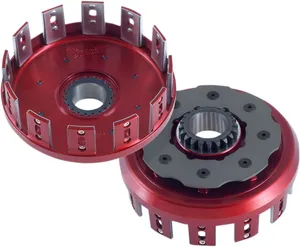
- Pull the pressure plate and run a fingernail down each finger. Light scoring you can dress flat with a fine file. Deep grooves that catch the nail mean the plates hang up on engagement and the basket is scrap. Fitting fresh fibres into a notched basket kills them inside a weekend.
- Stainless inner, nylon-lined outer, crimped ends. They resist the stretch that gives OEM cables a vague bite point three races in. Lube the inner every other ride with a cable luber and a shot of PTFE. A snapped cable in the gate costs a moto, so carry the old one as a spare.
- Sand. Long hill climbs. Two-strokes ridden on the clutch out of corners. Carbon takes heat that cooks Kevlar fibres flat and keeps a sharper engagement deep into a moto. Check the steels are inside 0.05mm flatness on a piece of glass before they go in. A warped steel pack ruins a carbon set in one outing.
- Lay each steel on glass and look for daylight under the edge. Any rocking, any blue tint from heat, any blueing around the tabs and they are done. Reused steels with hotspots glaze the new fibres within an hour of running and the clutch starts dragging at the lights.