§ 02 / Brand
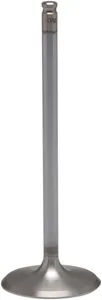
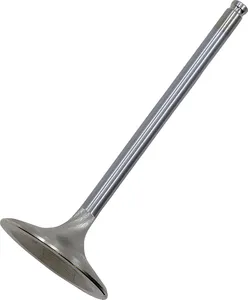
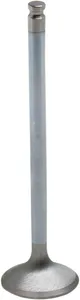
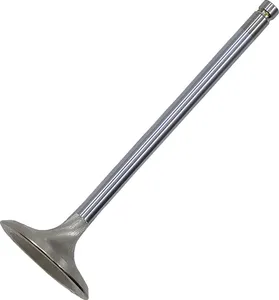
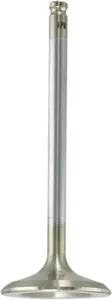
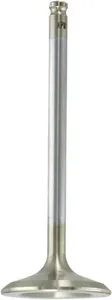
Kibblewhite Valves & Valve-Train Parts
Replacement parts for valve-train work. Browse the individual components and kits by the engine application and specifications listed.
111 parts · updated daily
// Parts
All 111 parts
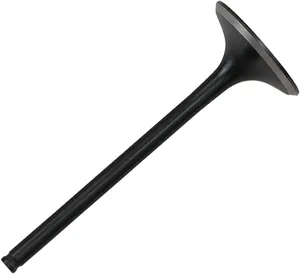
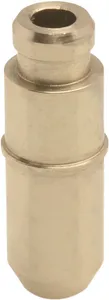
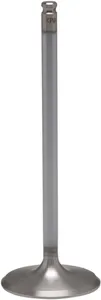
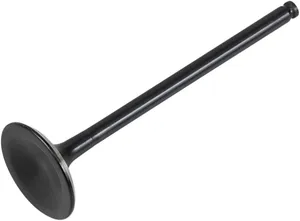
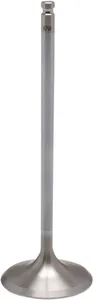
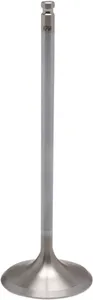
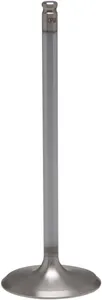
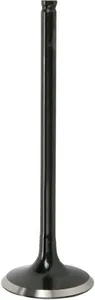
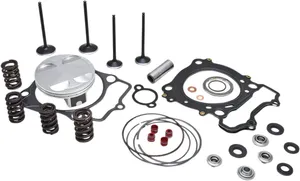
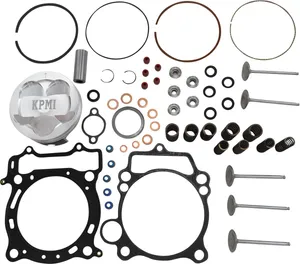
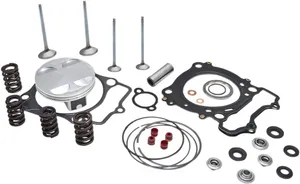
KIBBLEWHITE — frequently asked questions
Common questions, straight answers. No fluff.
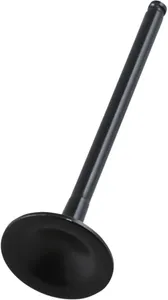
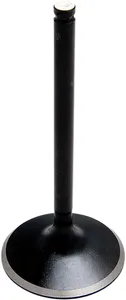
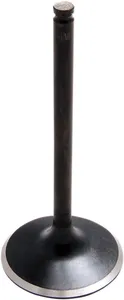
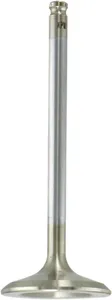
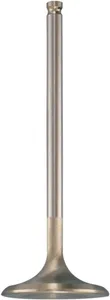
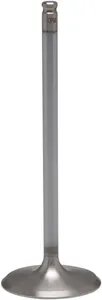
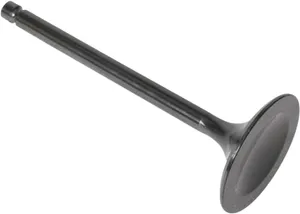
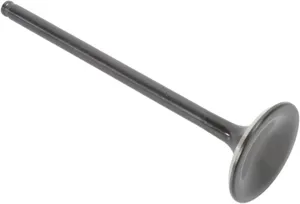
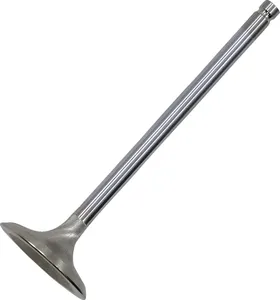
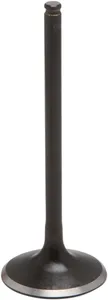
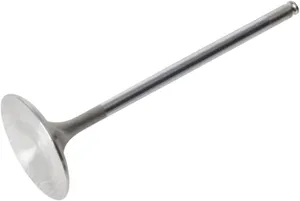
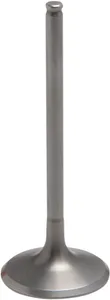
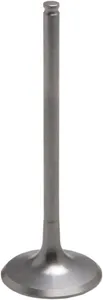
- Stainless for trail and enduro. Titanium for high-rpm race motors where reciprocating mass matters and you'll pull the head often enough to catch a tired valve before it lets go.
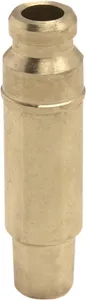
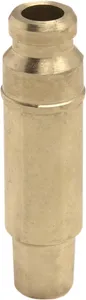
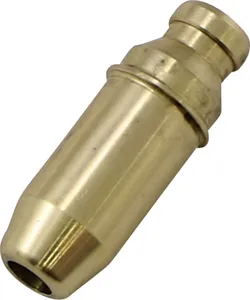
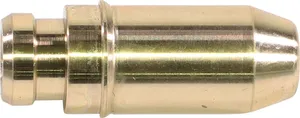
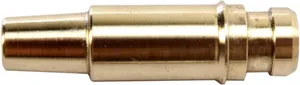
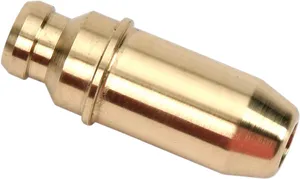
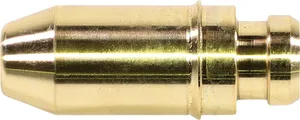
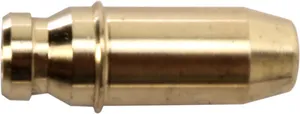
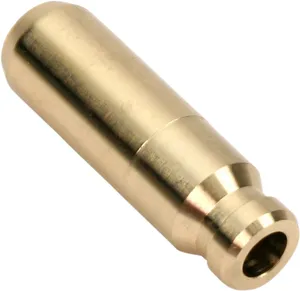
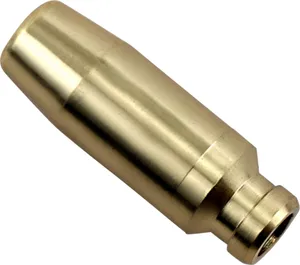
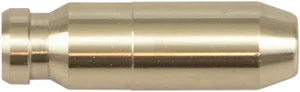
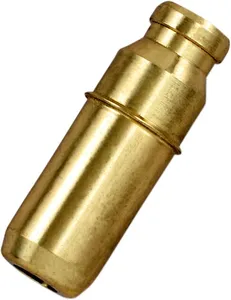
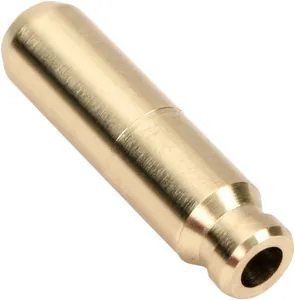
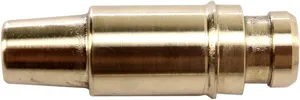
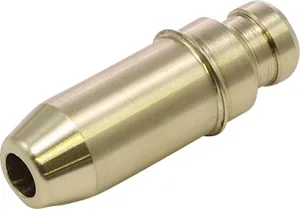
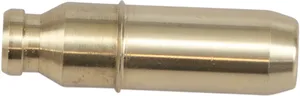
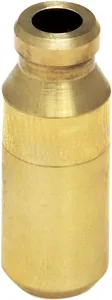
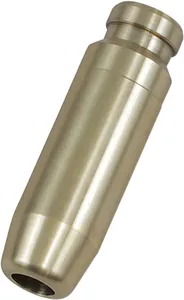
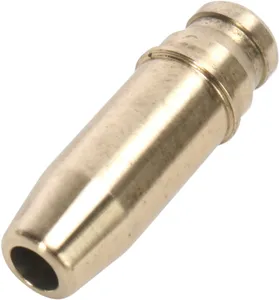
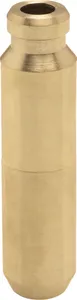
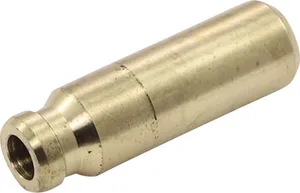
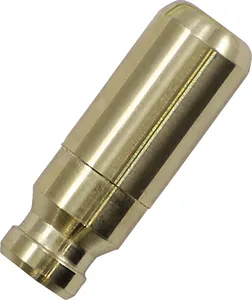
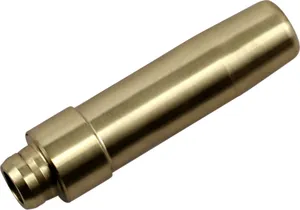
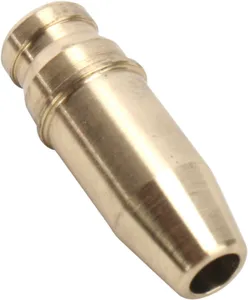
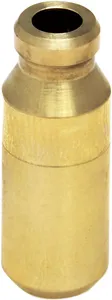
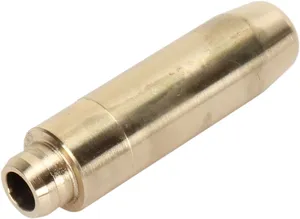
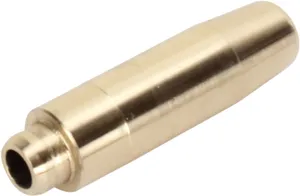
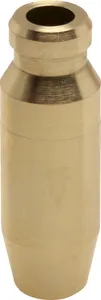
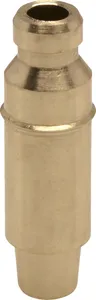
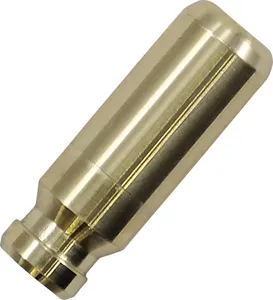
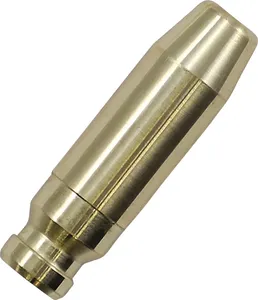
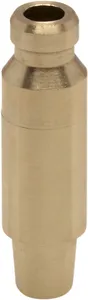
- Heat the head to roughly 120C and chill the guides in the freezer overnight. Press them in clean, square, one go. Stop and you'll gall the bore. Once they're seated, ream to the new stem spec to set oil clearance, then check the finished bore with a pin gauge or bore mic. Concentricity to the seat matters more than the spec sheet. Cut or lap the seats after the guides are in, never before.
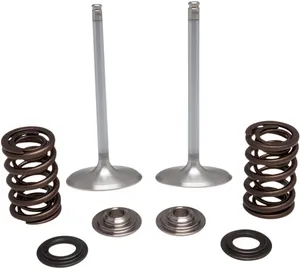
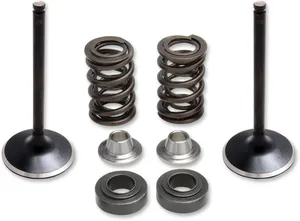
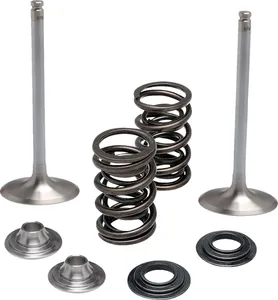
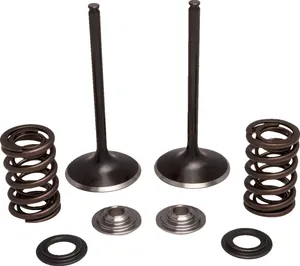
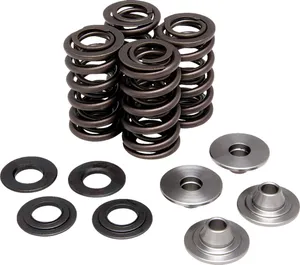
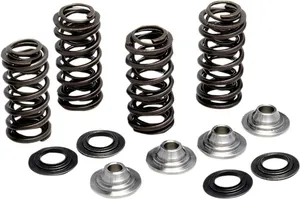
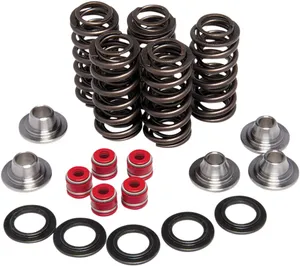
- No. The springs, retainers and bases are matched. Mixing parts changes installed height and seat pressure, and you'll either float the valves at peak rpm or hammer the seats flat. Fit the kit as supplied and shim to the spec in the instructions.
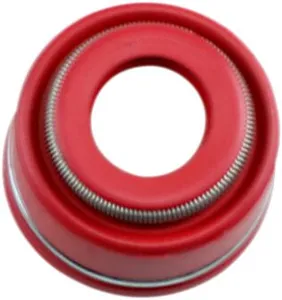
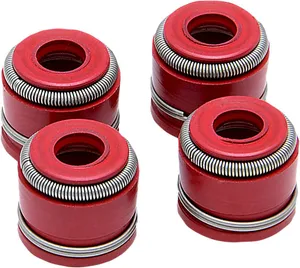
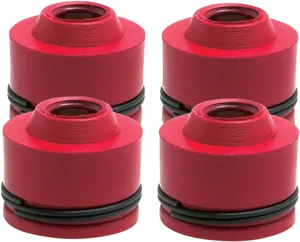
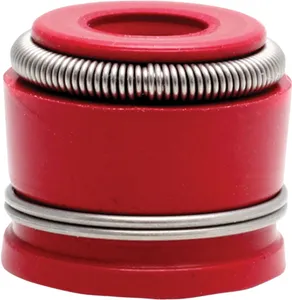
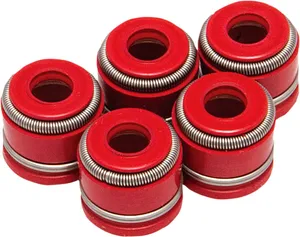
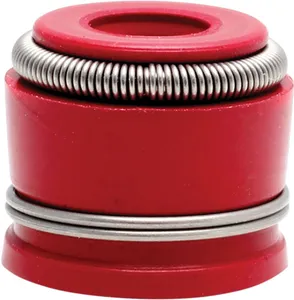
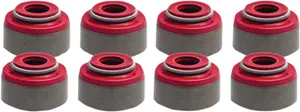
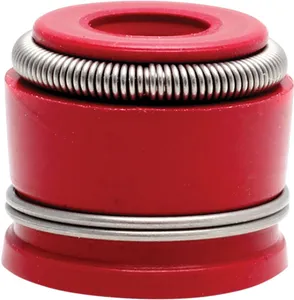
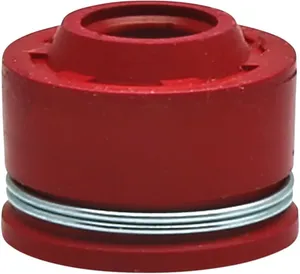
- Yes. Stem diameters on performance valves often run under OEM. Use the supplied seals or the size called out for that stem.
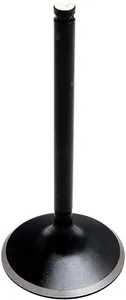
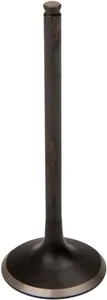
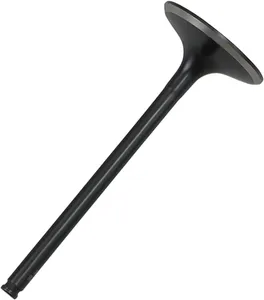
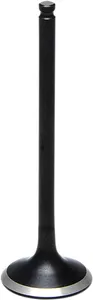
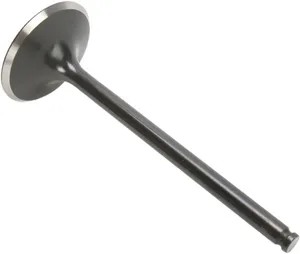
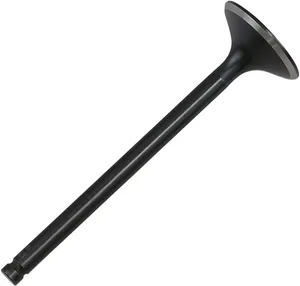
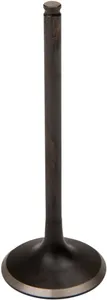
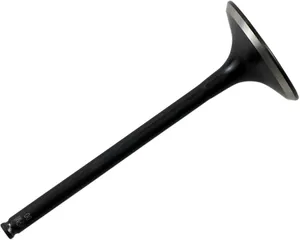
- It's a sacrificial layer for break-in. The phosphate holds oil against the stem while the guide beds in, so you don't gall a dry valve on first start. It also slows corrosion from ethanol pump fuel sitting in the port between rides. Once the engine's run in, the coating wears back to bare metal on the working surfaces and the guide clearance you set at build does the rest. Worth having on a fresh top-end. Not worth paying extra for on a race motor that gets pulled every weekend.
- Yes. Lugging a four-stroke at low rpm cooks valves harder than wide-open trail riding. The heavier stems and harder seats here take the heat cycles without tulipping.